
World Design Rankings Refreshed: Where Creativity Shines Brightest Right Now
Good design has the ability to communicate universally, unifying minds beyond borders through shared visions of the future. Especially during turbulent times, good designs are ever more prized.
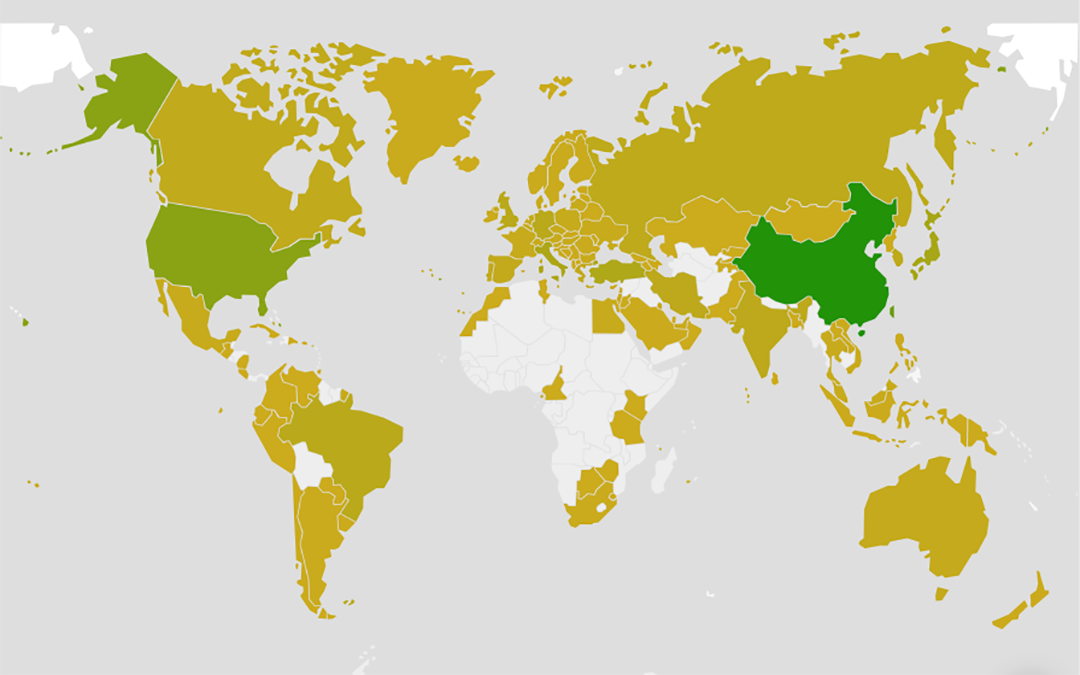
A’ Design Award’s World Design Rankings spotlights where on the map creative energy beams brightest, according to the tally of designers it has awarded since 2010.
Each country or region is represented by its participating designers, and positioned on the global chart through an aggregated score system formulated based on the number of Platinum, Gold, Silver, Bronze and Iron awards won.
At the start of last year, Australia took the 10th spot, but when 2022 wrapped, Portugal has moved up to take its place. China currently comes out tops, with the US and Japan following after.
If you, too, wish for your vision to be celebrated on the global stage, the A’ Design Award is now open for registration. Feel free to submit your entry here.
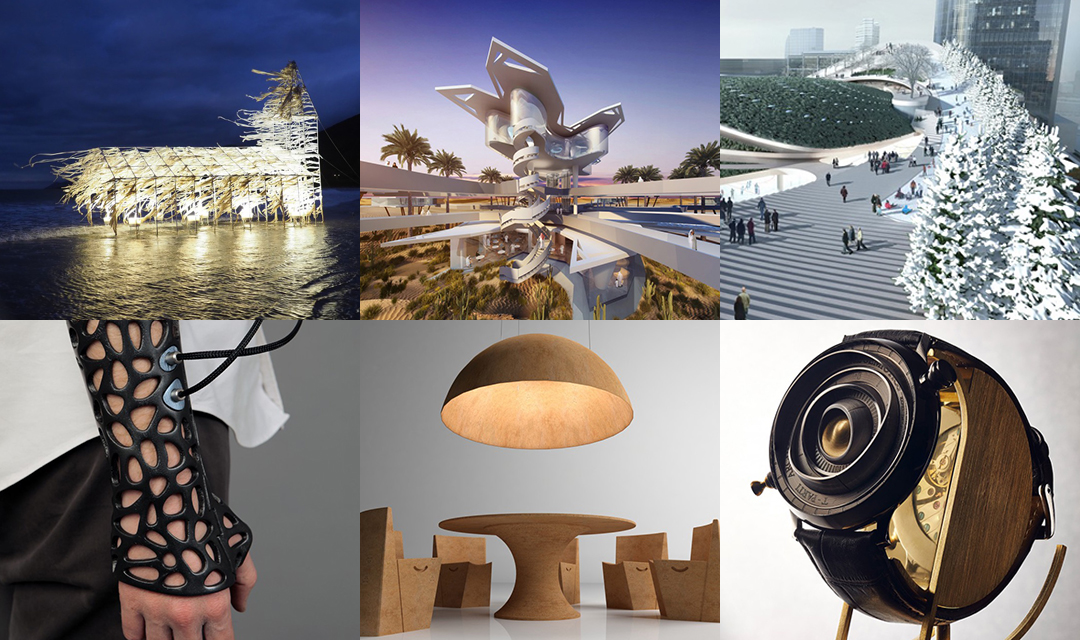
To help jumpstart your new year with inspiration, below is a selection of distinguished works we have curated from the top 10 countries and territories where brilliant designers call home.
For a quick navigation of where the most vibrant beacons of creativity currently stand around the globe, check out the latest rankings here.
10. Portugal
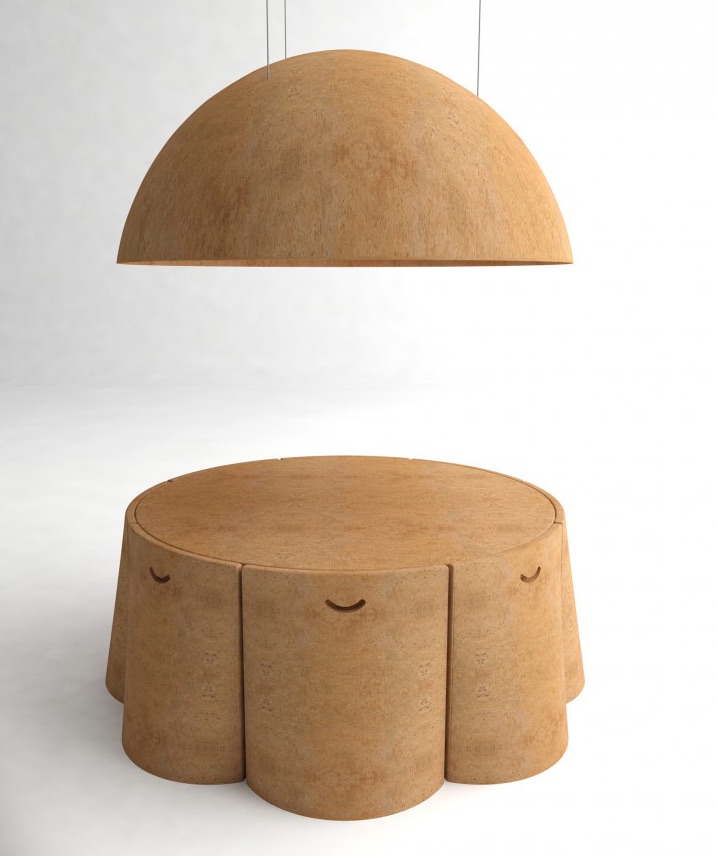
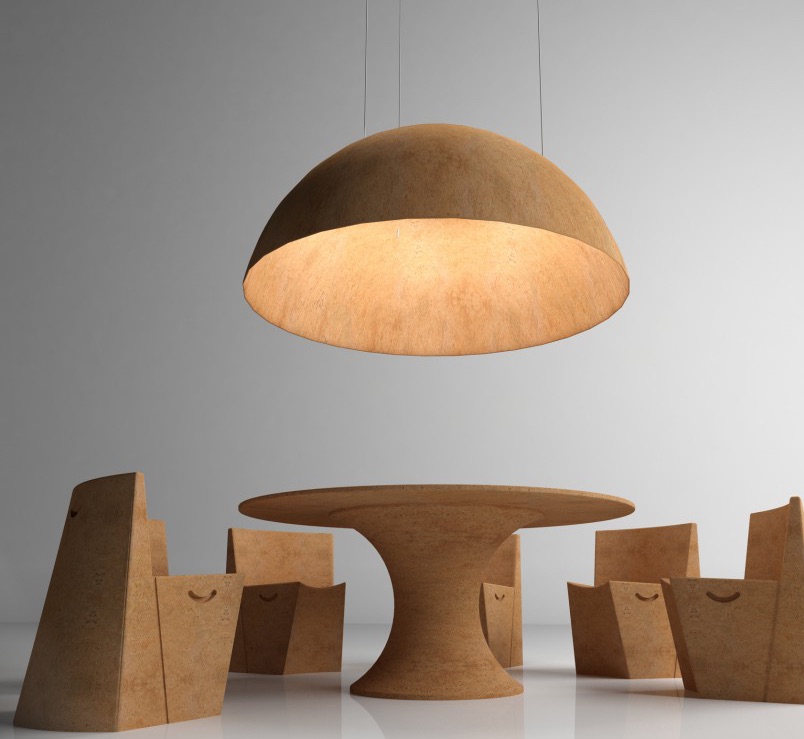
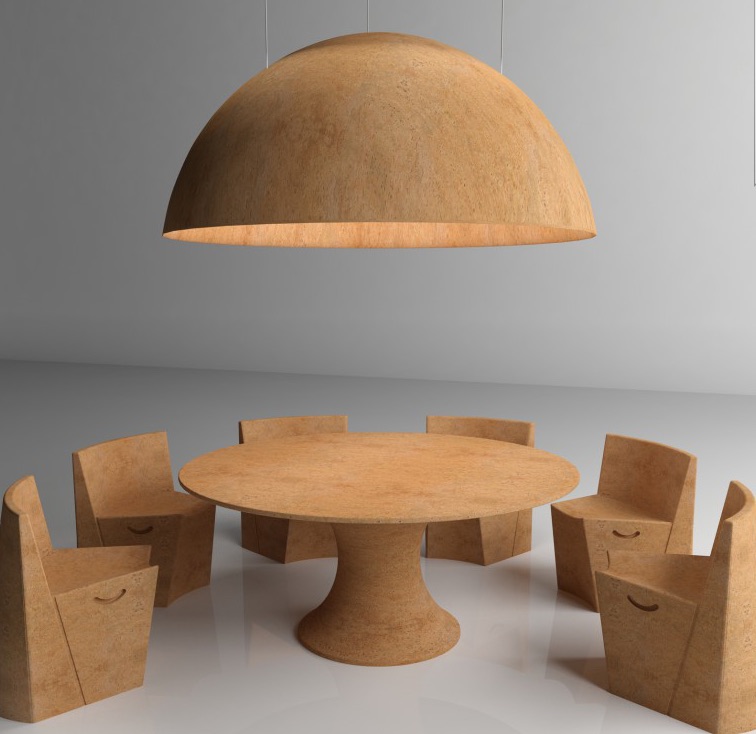
Ayers Table, Chair, Luminaire
Designer Albertina Oliveira’s take on sustainable furniture includes a modular dining set with a table, chairs, and a lamp constructed from a single block of cork with a CNC machine. The table and the campanula luminaire are made out of “corkbalt”, a new material that mashes up basalt fiber and cork.
Roots Home Desk
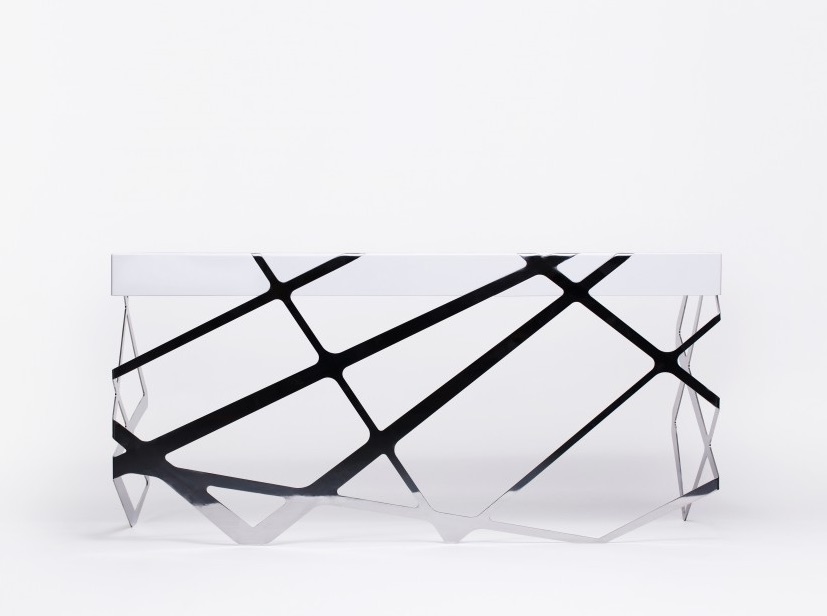
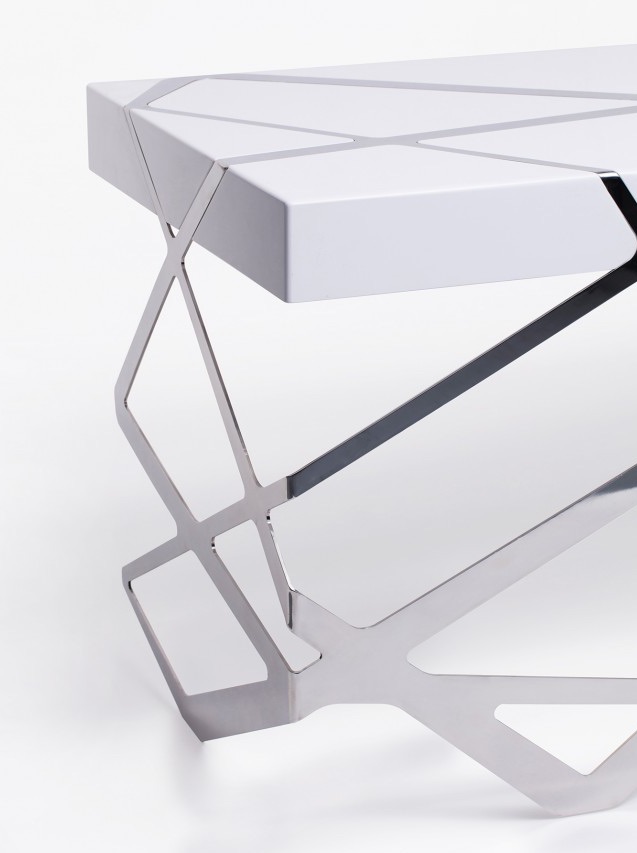
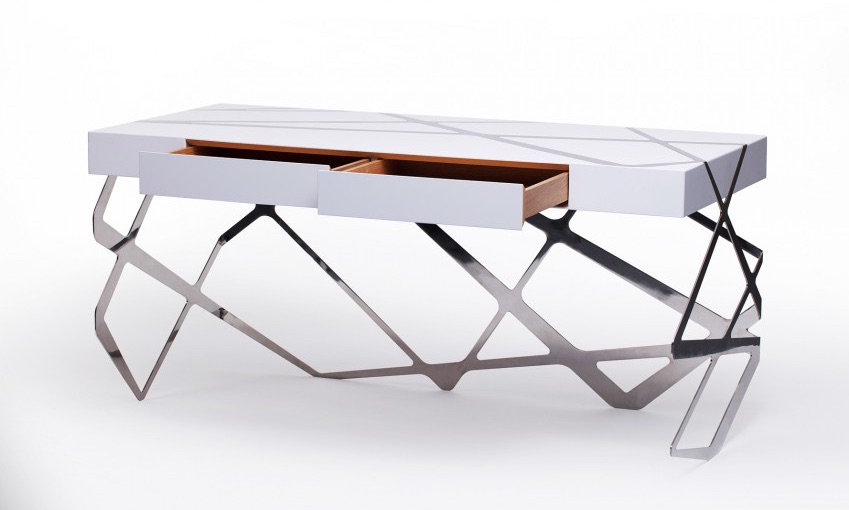
‘Roots’ look to the Sacred Ceiba tree found in Havana for its unique shape. Just as its name suggests, it is highly inspired by the weaving of its roots, and designer João Faria reinterprets this in a series of metal pieces interlocking with each other and creeping over its tabletop. Roots is made out of wood, steel, and ceiba. “It’s a piece of nature that we have inside our home, which interacts with us in many different ways,” states Faria.
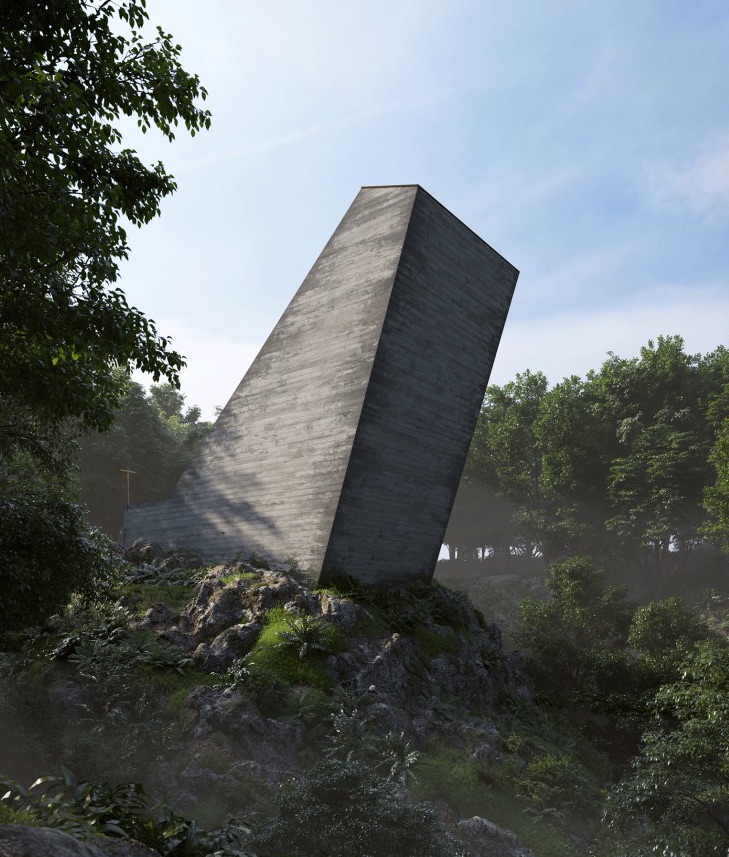
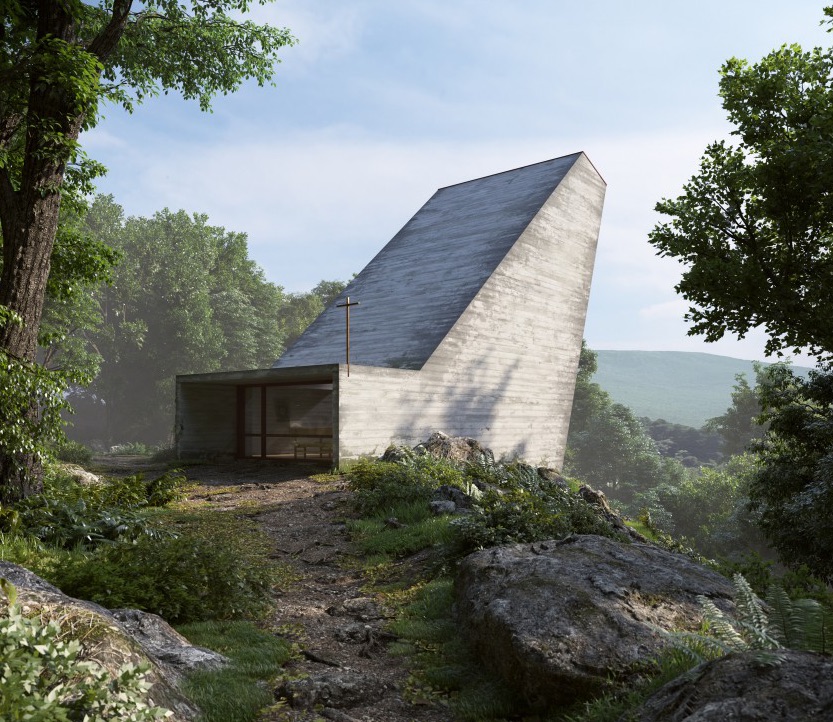
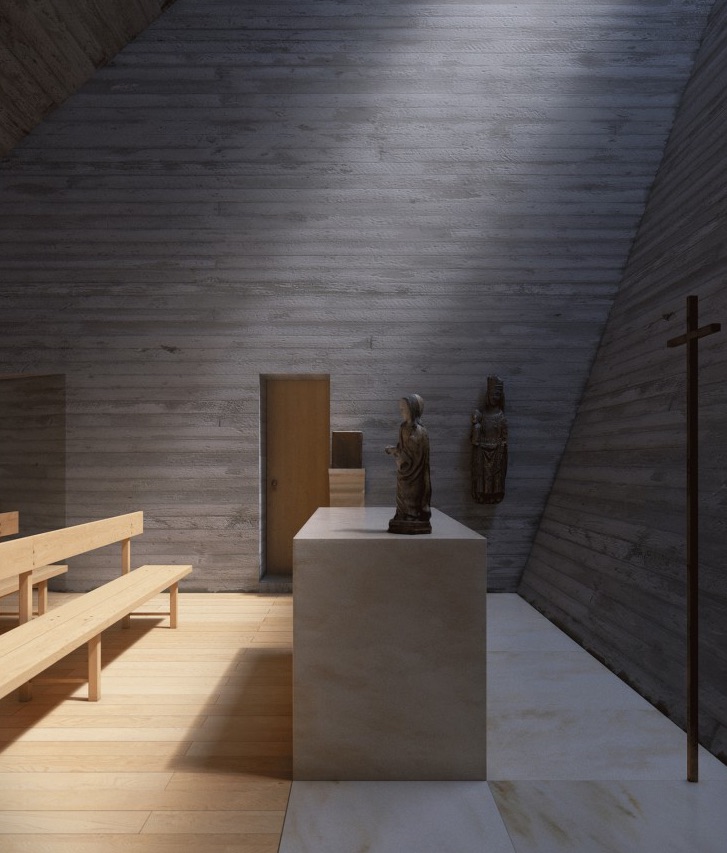
Cohen Chapel
The Cohen Chapel by Joaquim Portela comes in as the second religious monument on this list. This time, this structure serves as an actual church in Switzerland. The chapel sits on the edge of a cliff, hidden deep in a forest. Its shape represents the search for light. An opening in the roof lets the sun in, bathing the structure in warmth.
The Cohen Chapel is not a sprawling or opulent place of worship; instead, it offers just a small altar and a meditation room for wanderers to seek refuge within and find a safe place to contemplate.
9. Germany
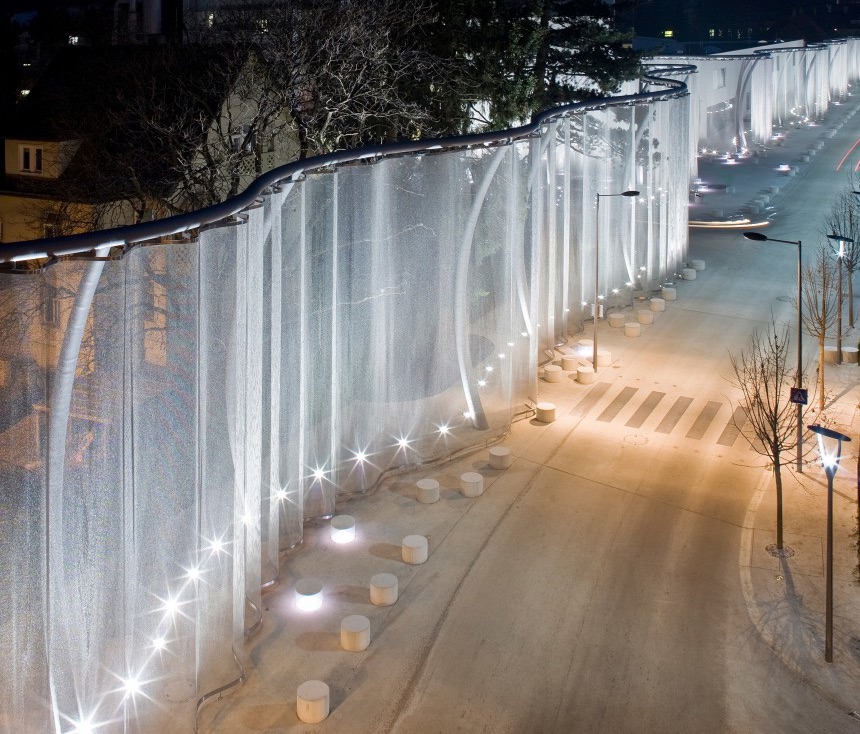
Igenhoven Heaven is a Place on Earth Swarovski Veil
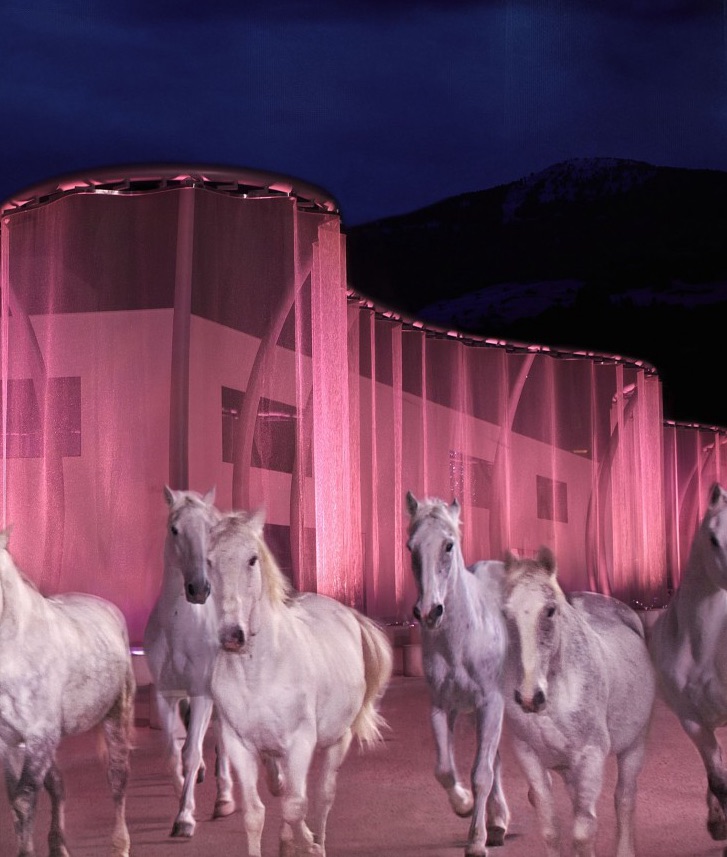
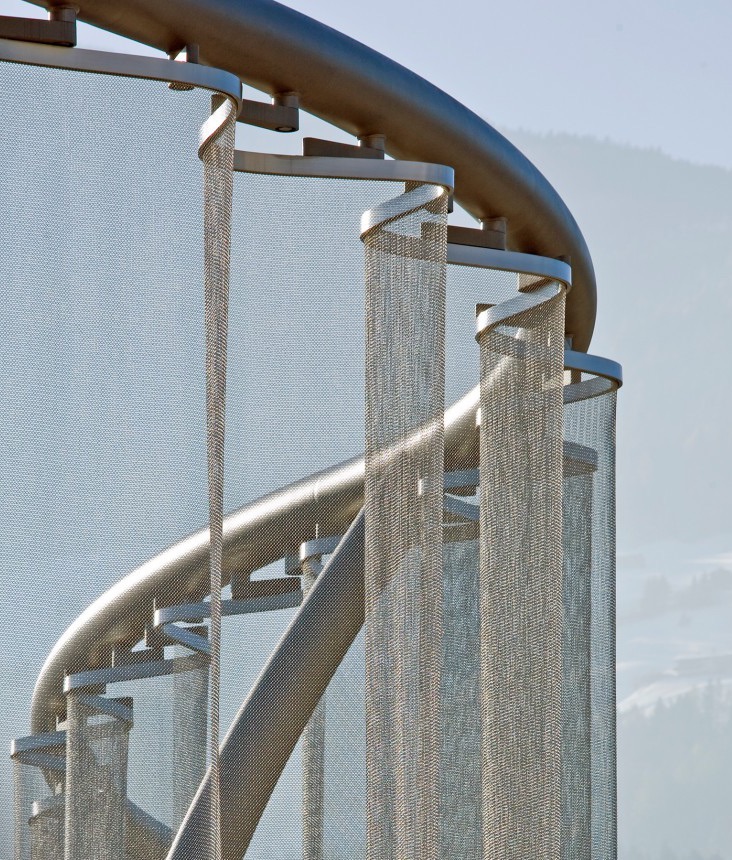
Along the Swarovskistrasse boulevard in Wattens, Austria, is a long veil that cloaks the area’s pathways in a crystal-like row of mesh metal. The structure, designed by Dr Regina Dahmen-Ingenhoven, lines the street as a static metal curtain. The Veil constantly changes as light and clouds move past it. And depending on how the sun shines through it, it could also completely disappear.
Hiding behind the Veil is the D. Swarovski factory, which is appropriately kept safe from view behind a curtain of crystal. Well, not actually crystal. The entire structure is more like chasing armor, like the type found on a medieval knight. Altogether it consists of 26,250,000 interlocking links. It measures 820 feet in length, 32 feet in height, and “it was currently the world’s largest single surface made of metal ring mesh.”
D.Butterfly Resort Desert Resort Development
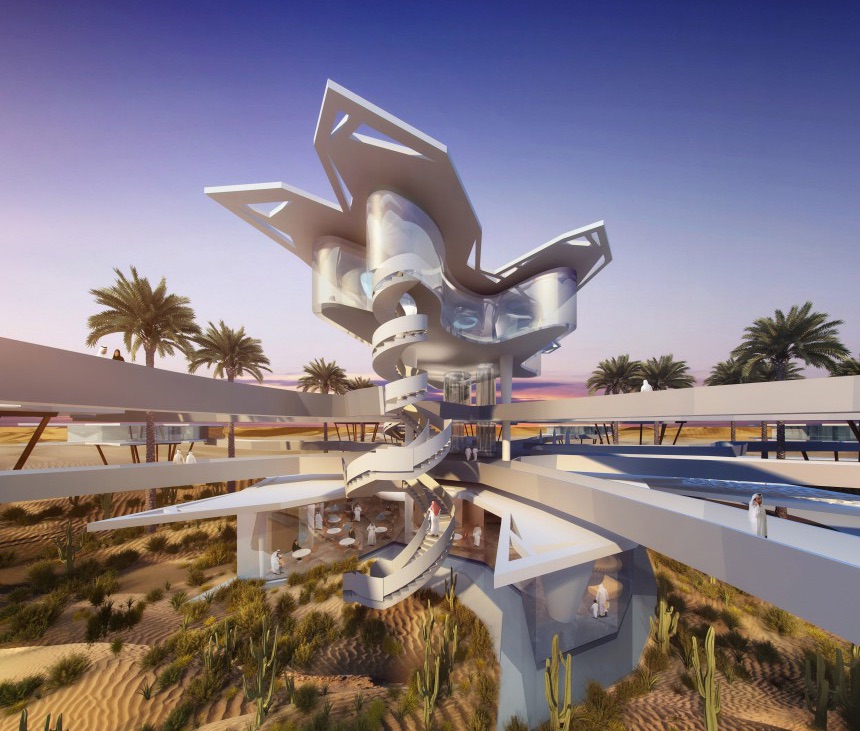
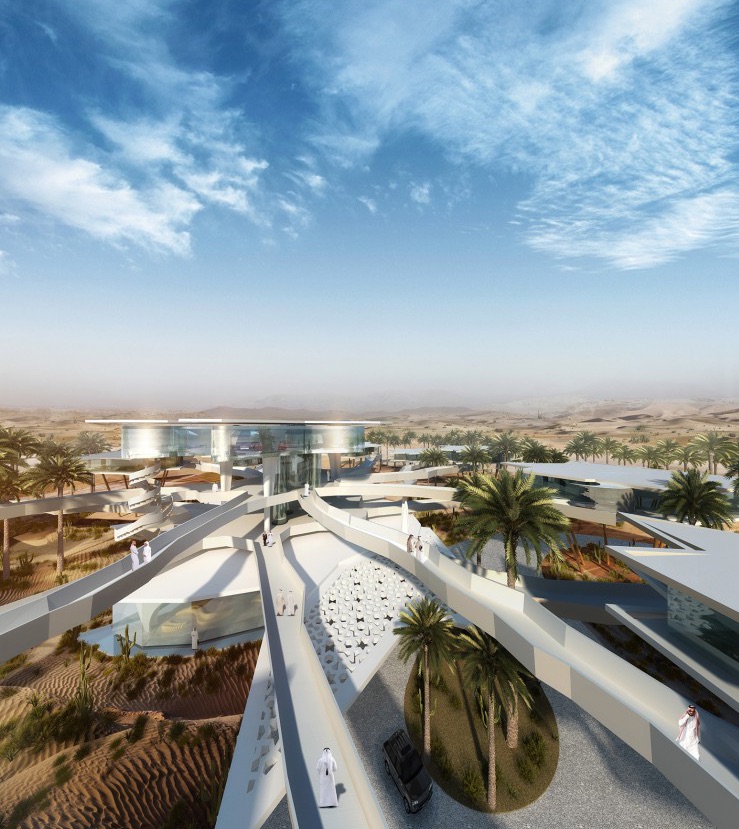
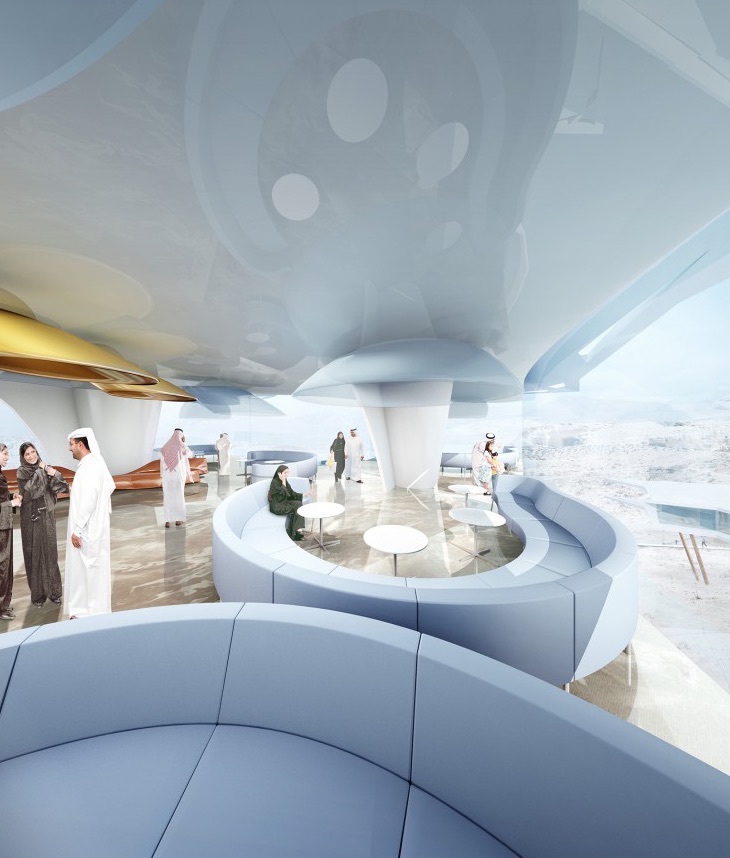
“The “Desert Butterfly Resort “is intended as an artificial oasis which can be situated in every desert landscape that leaves nature as untouched as possible,” explains Peter Stasek. Each bungalow on the compound takes after the shape of abstract butterflies and is connected to the main building through a pedestrian bridge.
“The entire construction of D. Butterfly Resort is based on the principle of lightweight prefabricated structures. The entire facility should stand for an advanced and sustainable technology such as the utilization of renewable resources for air conditioning and lighting.”
8. Turkey
Beel Seat Ware
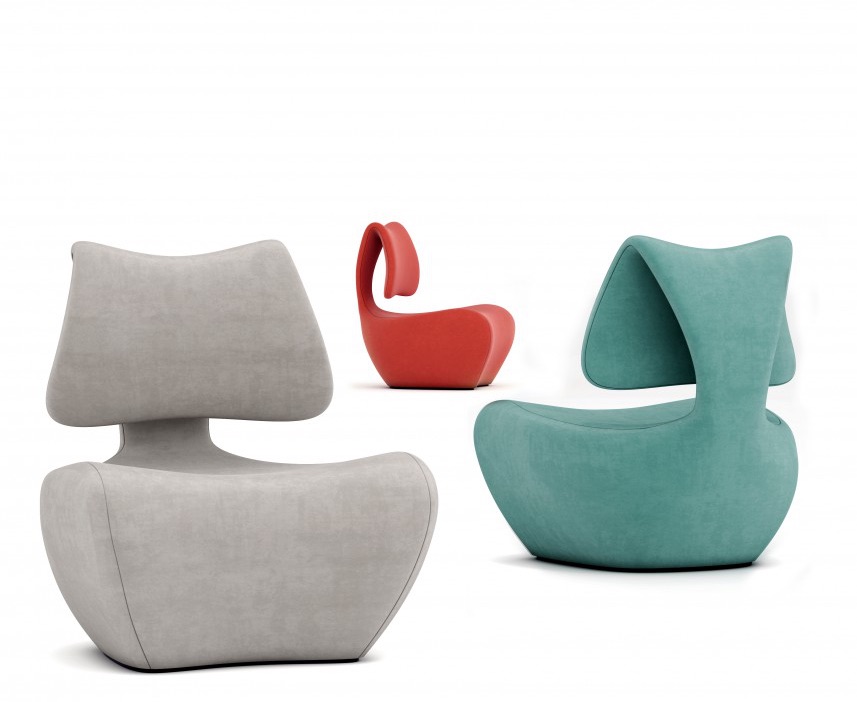
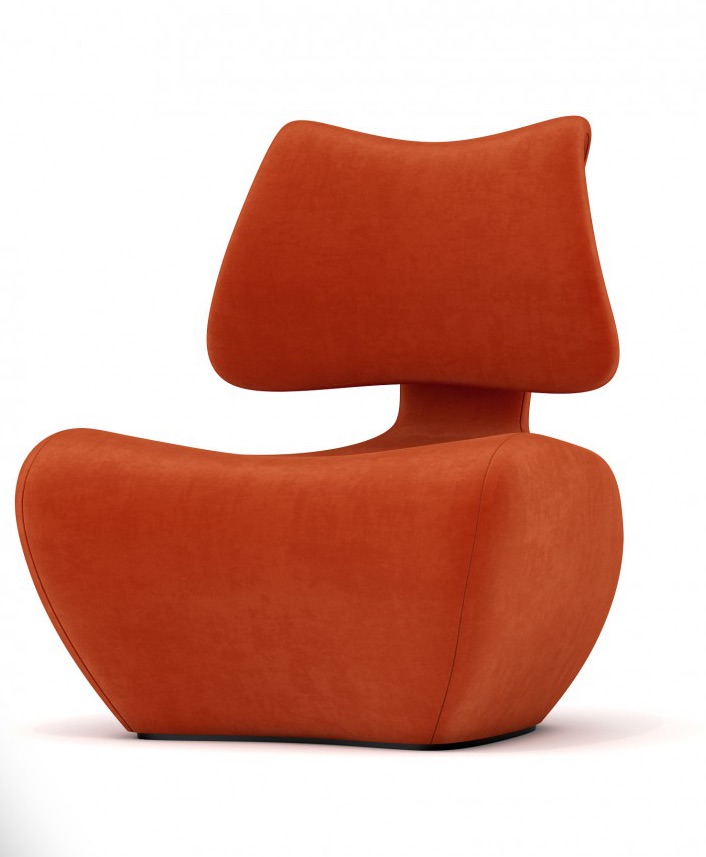
“Selami was inspired by the clean and minimalistic shapes and designed with inspiration from the human spine system. Beel offers comfortable sitting and healthy posture,” illustrates Selami Gündüzeri, who designed this ergonomic chair. Gündüzeri cites the human spine as inspiration for the design of this armchair which is meant to promote posture and comfort.
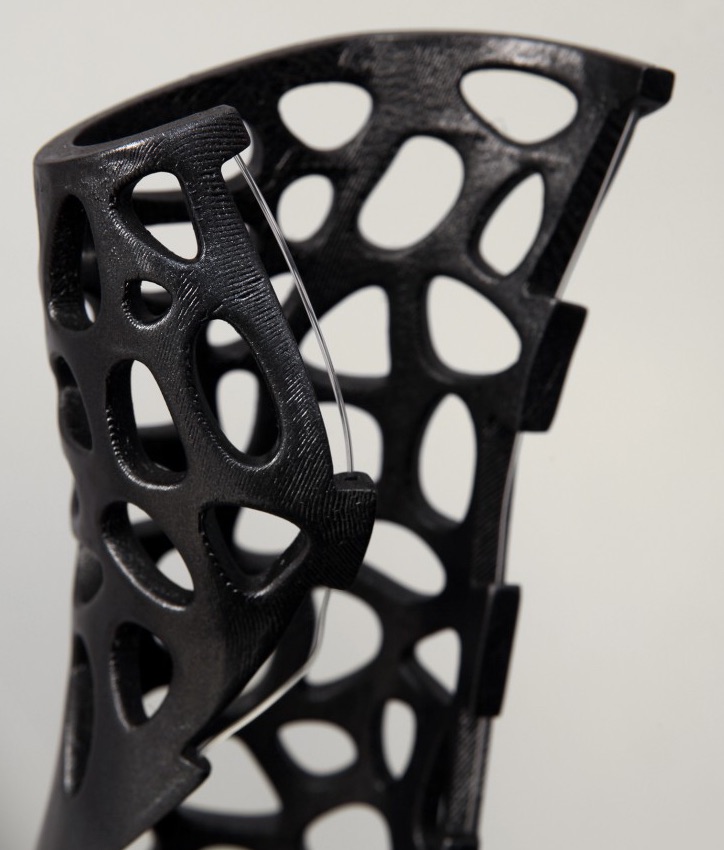
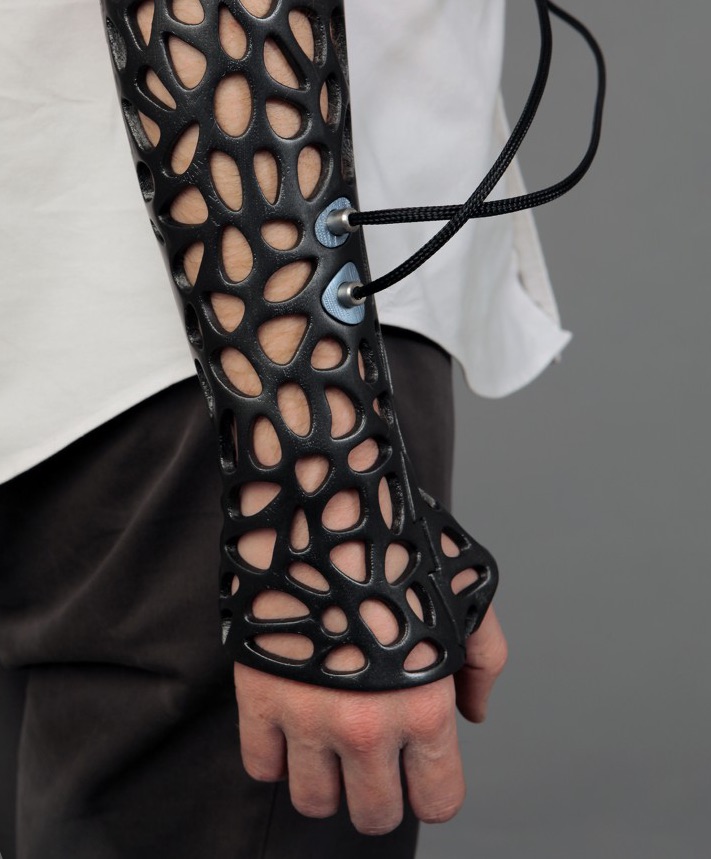
Osteoid Medical Cast, Attachable Bone Stimulator
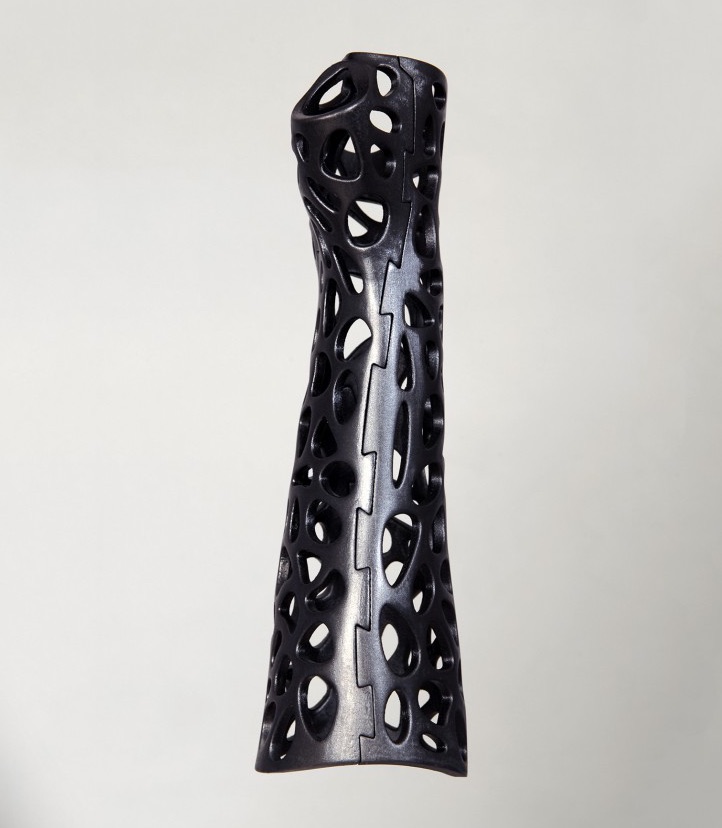
“The goal of this project is to improve the overall healing experience for broken or fractured limbs by focusing on the patient’s comfort and healing time. Osteoid cast offers a new way of tackling these problems by introducing new technologies which enables us to make custom-fitted, durable 3D printed medical casts that doesn’t itch or smell,” expresses designer Deniz Karasahin. “The end products are slimmer, lighter, doesn’t affect from water, and are environmentally friendly. This cast can also be combined with a low-intensity pulsed ultrasound (LIPUS) bone stimulator resulting in faster recovery.”
7. Taiwan
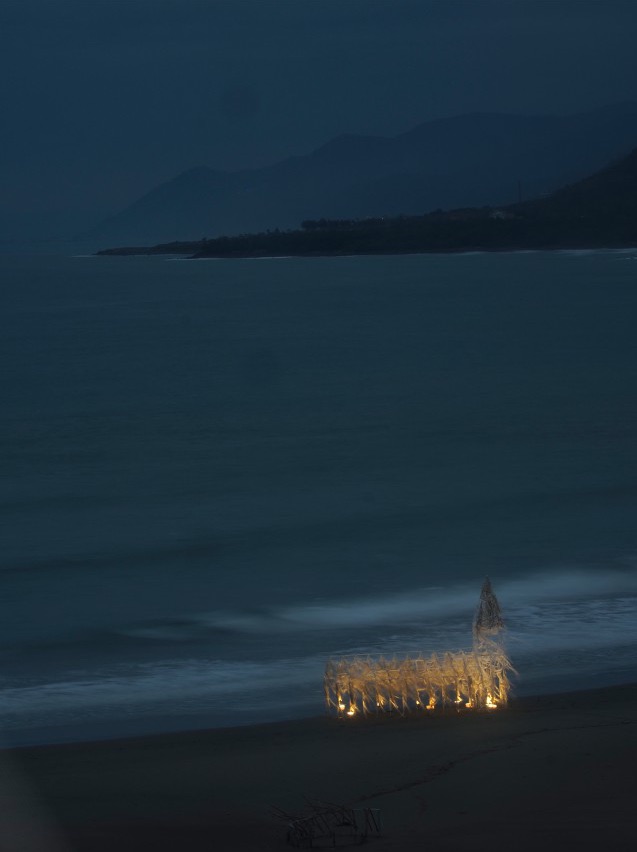
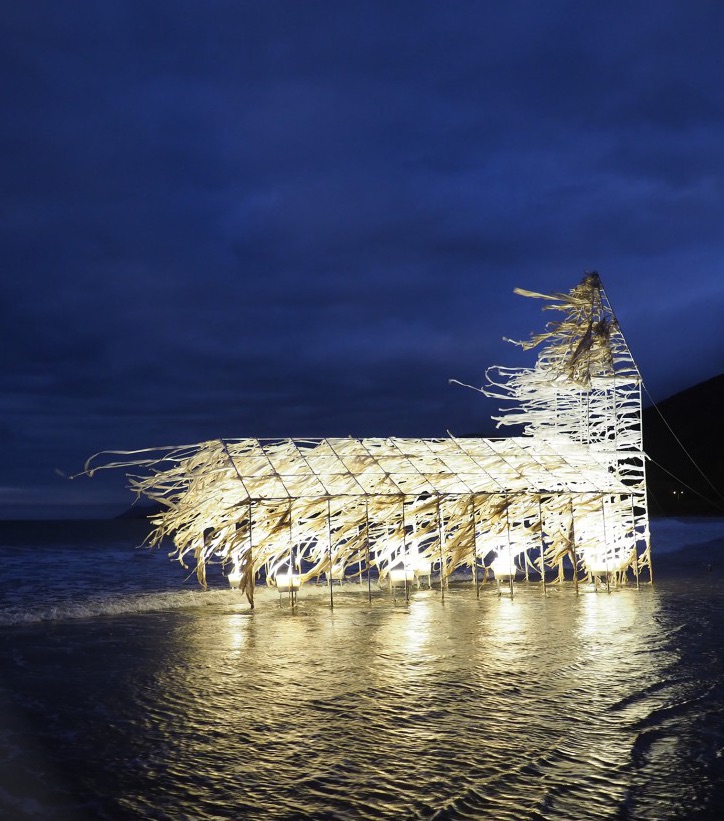
Blessing from the Sea Installation Art
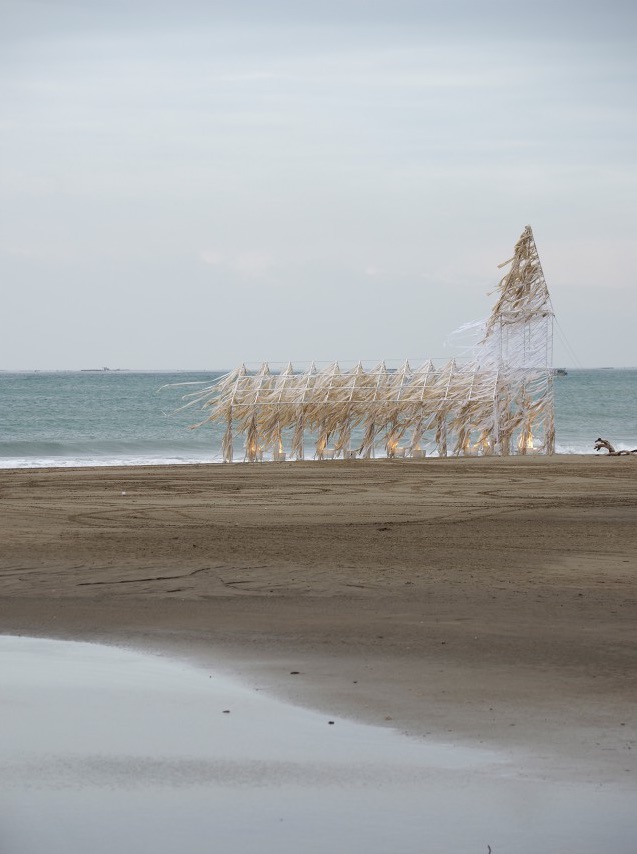
Religion meets the ocean in this art installation by Chih Kang Chu, who has built a church on the water’s edge. Instead of solid walls, white fabric has been tied to the structure where as time goes by, it will fly away, symbolizing faith fading away.
Its light and airy ambiance invite people to walk through it and feel nature through religion. Every couple of hours each day, the church will be immersed in the sea before the tide recedes, and people can walk through it again.

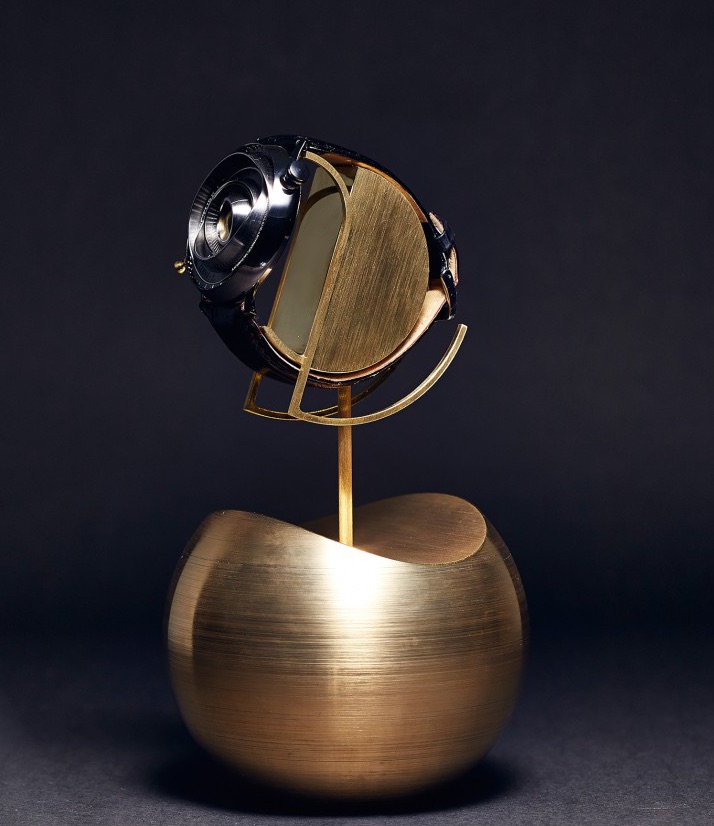
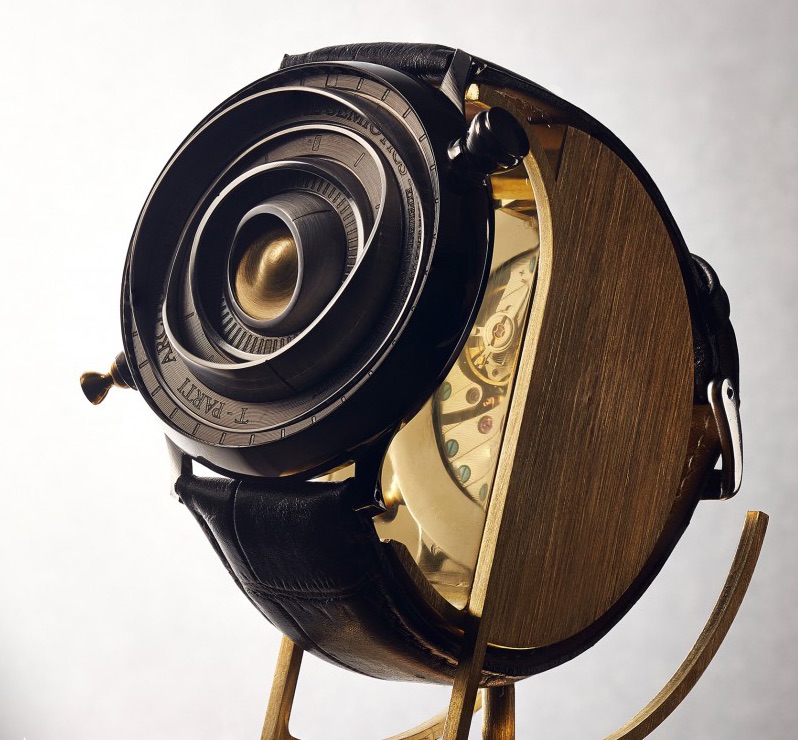
K Museum 2 Watch
This watch is made out of different-sized curves which layer over each other to form this unique shape. “This design reinterpreted the beauty of time and builds up marvelous space within limited place,” comments Liu Kai-Hsuan. In addition, the watch is not protected with a glass covering, allowing its users to feel its inside.
The idea for the timepiece was based on the construction architecture process, which needs meticulous attention to detail.
6. Great Britain
Photoptosis Installation
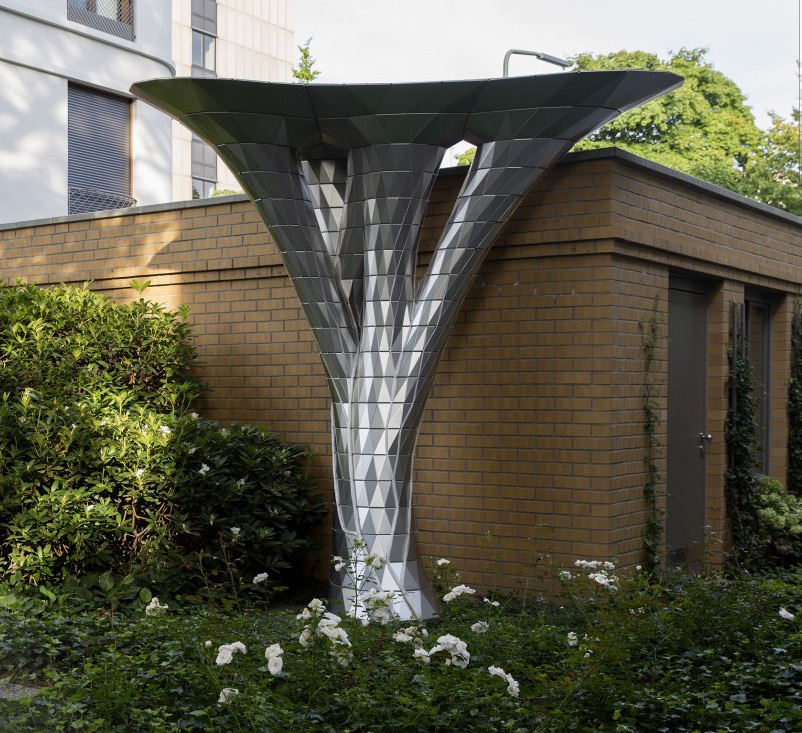
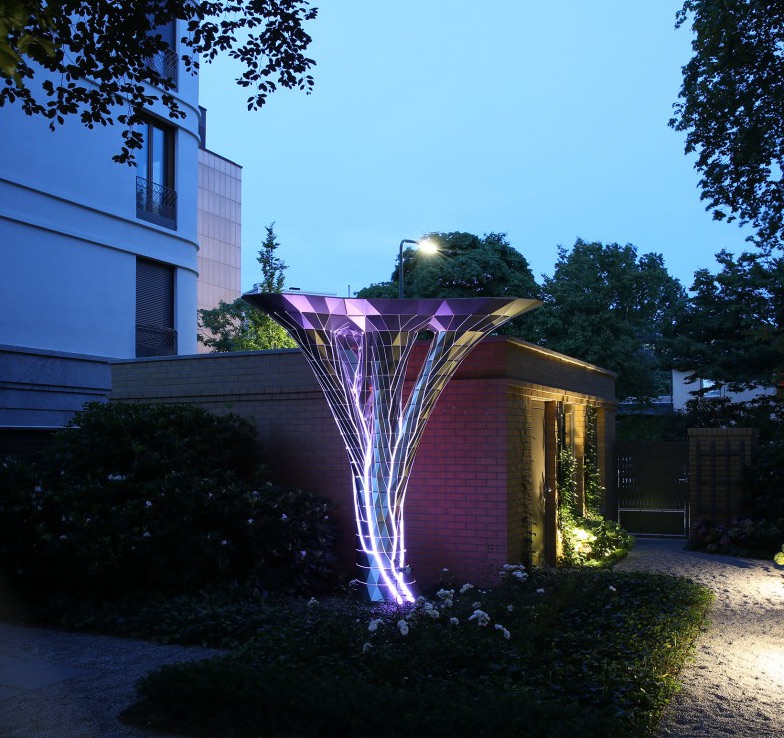
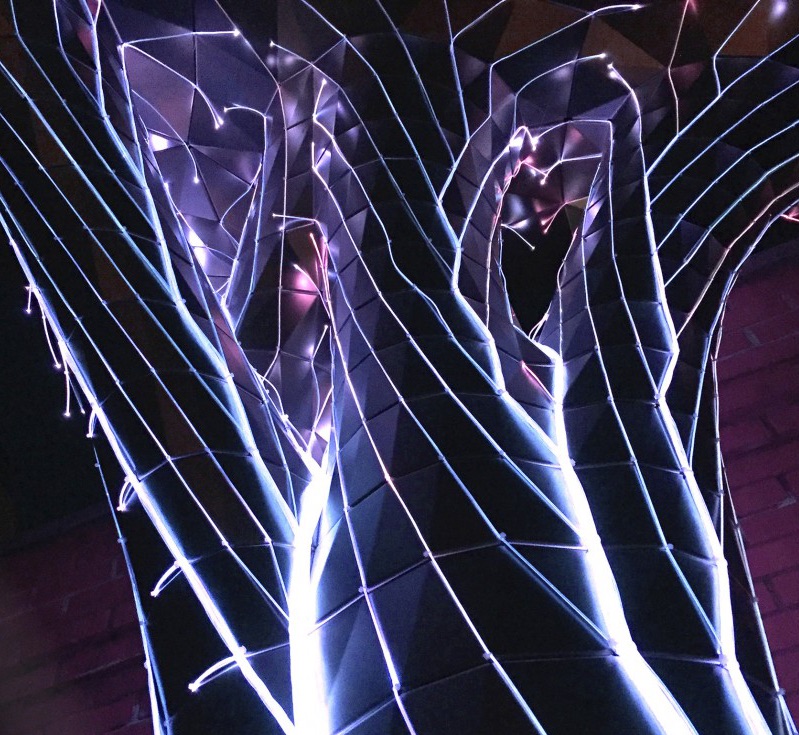
“Photoptosis explores the medium of light as a material in itself that can grow the same way as plants do. The sculpture consists of a triangulated stainless steel surface in a branching geometry,” remarks Christoph Klemmt and Rajat Sodhi.
The glowing tree structure comprises 100 stainless panels cut and bent into their respective shapes. The designers used 200 side-glowing fiber-optic cables to create light up the tree and give it an effect that makes it look as if ivy was creeping up its side.
Metaphor Table
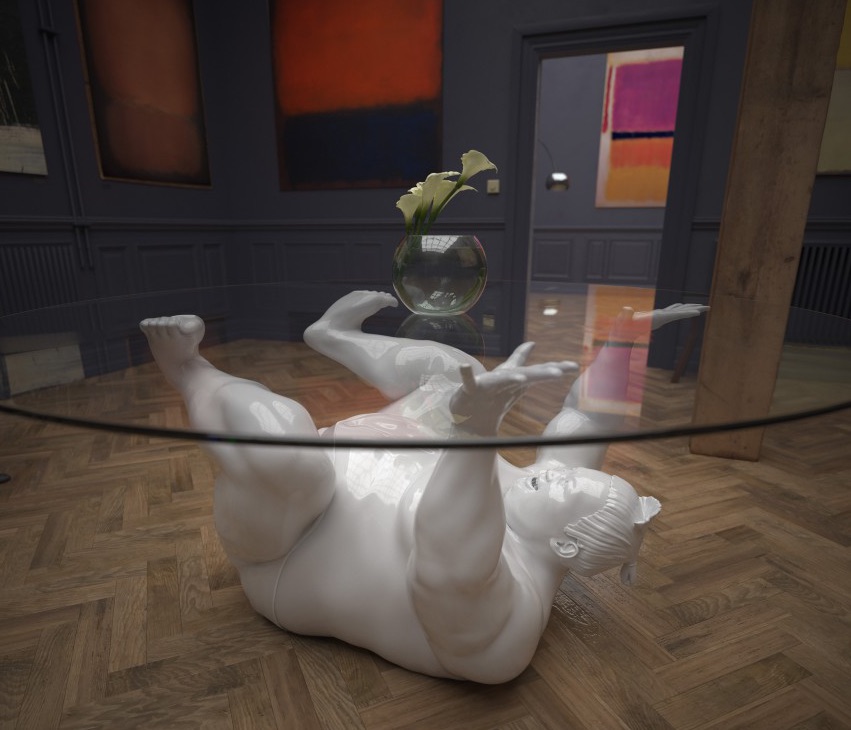
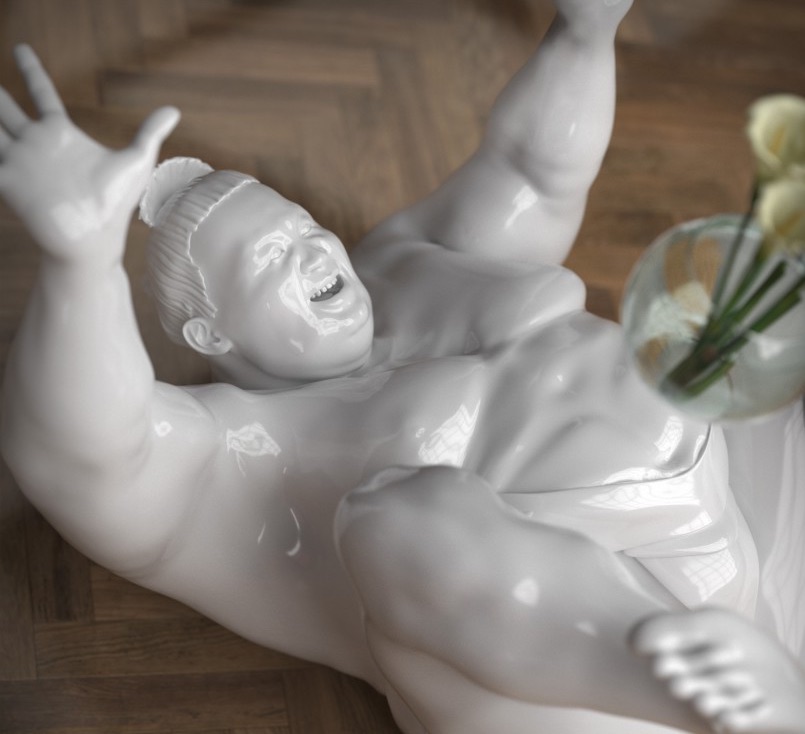
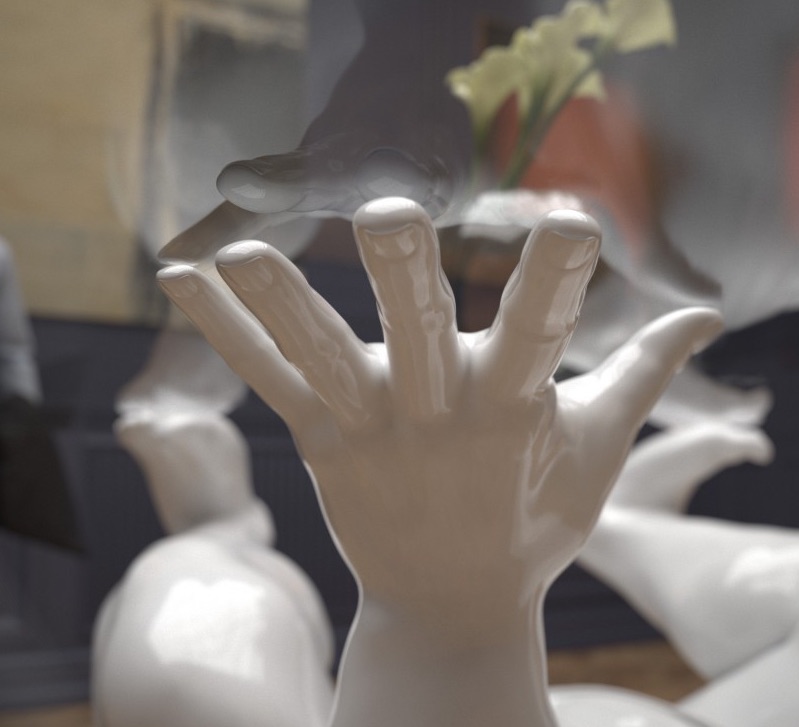
Emanuele di Bacco tackles the concept of sexism and toxic masculinity with a table that literally tries to attack a sumo wrestler to the ground. The idea behind this is that sumo wrestling is a highly sexist sport that bars women from entering on the grounds of their “impurity” due to their periods.
In response to this, di Bacco gives people the power to take down a sumo wrestler of their own and pin him down with a flower pot or anything else they desire to place on the table.
5. Hong Kong (China)
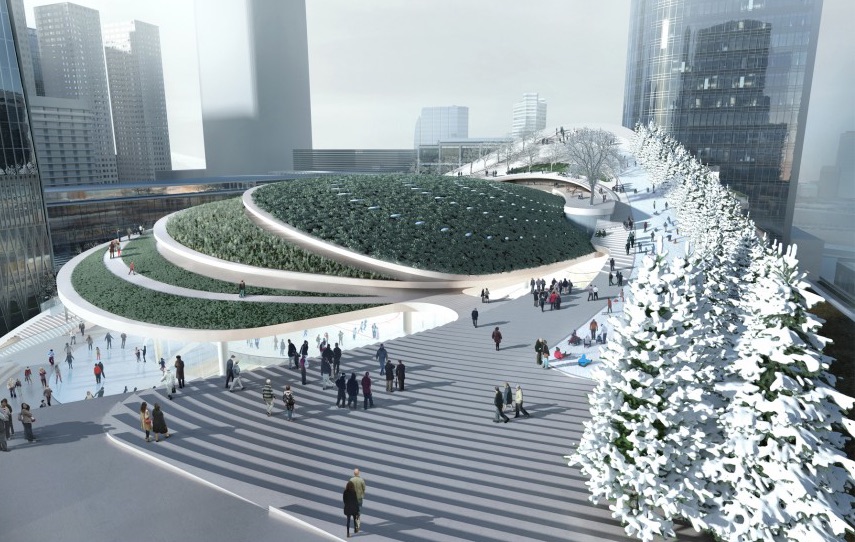
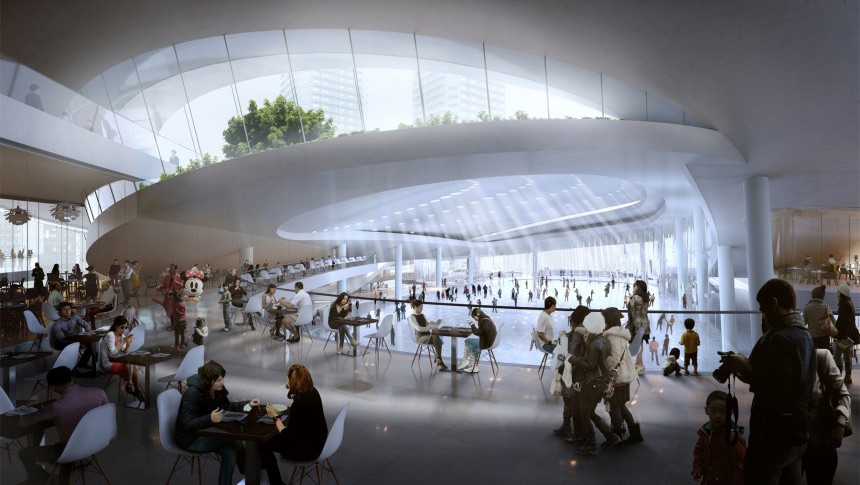
China World Trade Center Phase 3C Retail
This uniquely shaped building has three components: the Civic Green, the Front Door, and the Retail Loop. The entire structure was designed to be a retail location. In an effort to remain connected to nature, the Civic Green, which consists of a garden and park, is placed onto the roof of the building in the shape of a slope.
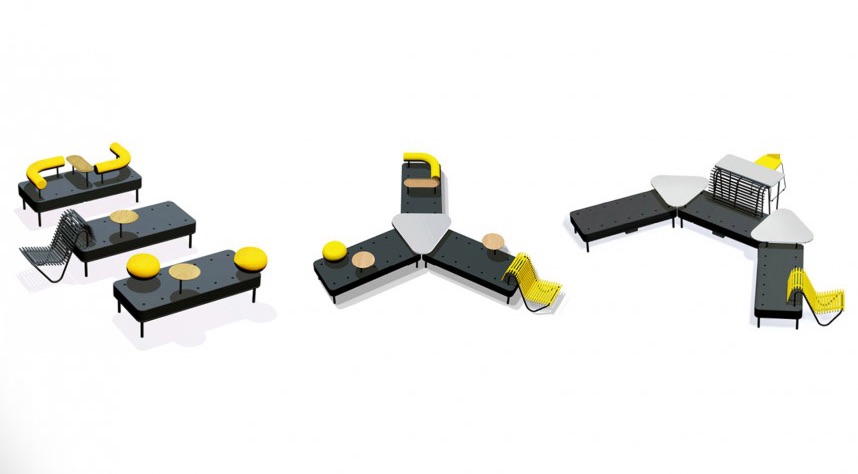
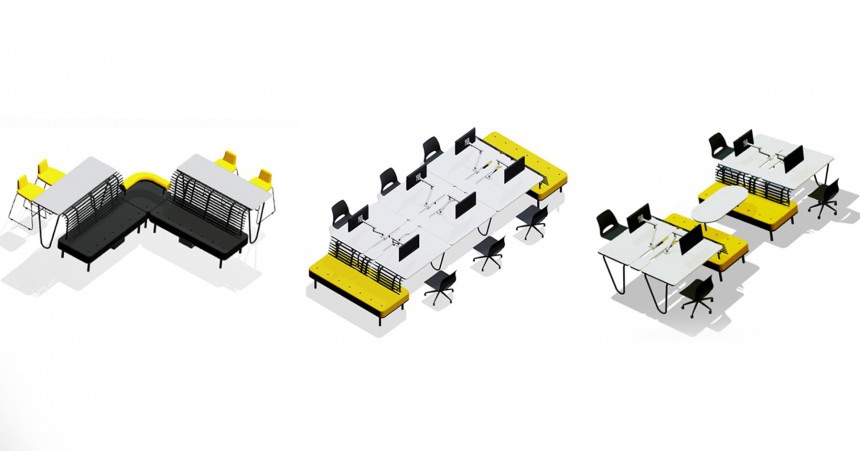
PEGnPLAY Modular
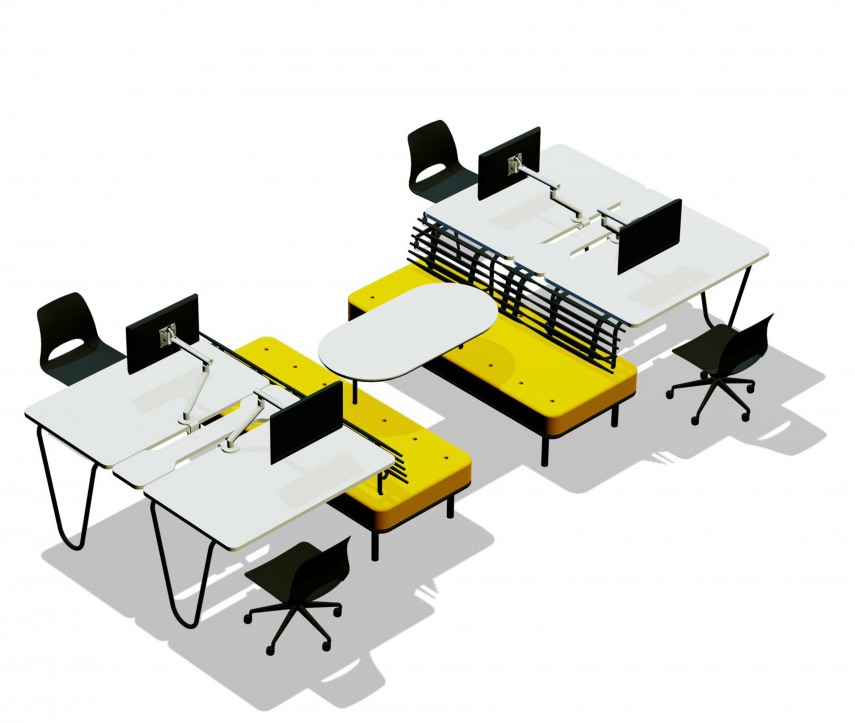
“PEGnPLAY is an innovative bench-based system furniture that allows various add-on elements (such as sofa back, armrest, back cushion, coffee tray, writing tablet, table frame, bookcase, and meeting island, etc.) pegged onto the seating bench to enhance the functionality of the product to support various tasks in the collaborative workplace,” denotes Zuo Zuo limited, design team behind the modular office furniture.
PEGnPLAY isn’t only designed for the office but is meant to be used in any space, including waiting areas, coffee lounges, galleries, and meeting corners.
4. Italy
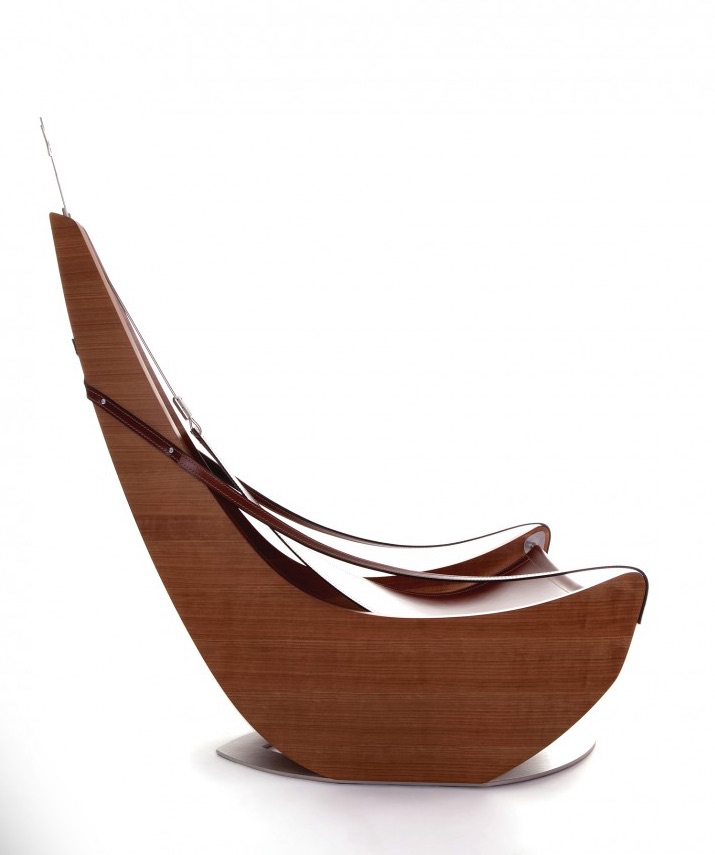
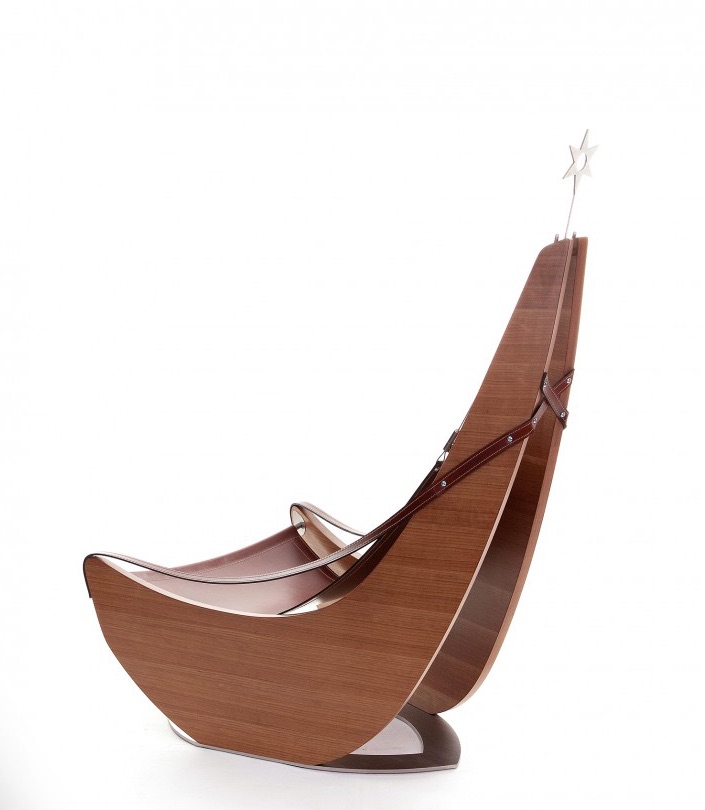
Sedia Stellare (o del Piccolo Principe)
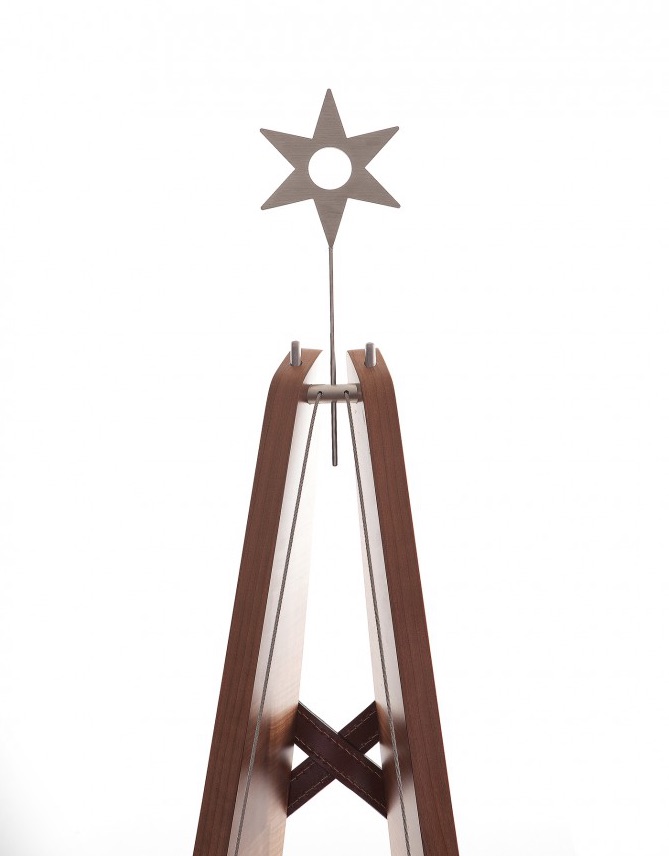
Stefania Vola brings a “small precious throne for poetic thinkers, observers of the stars that, like the Little Prince, venture into sidereal trips.”
The chair serves as a spot for one to contemplate and ponder life and its wonders. It was made out of cherry wood, brushed steel, and natural leather with an ornamental star to crown it.
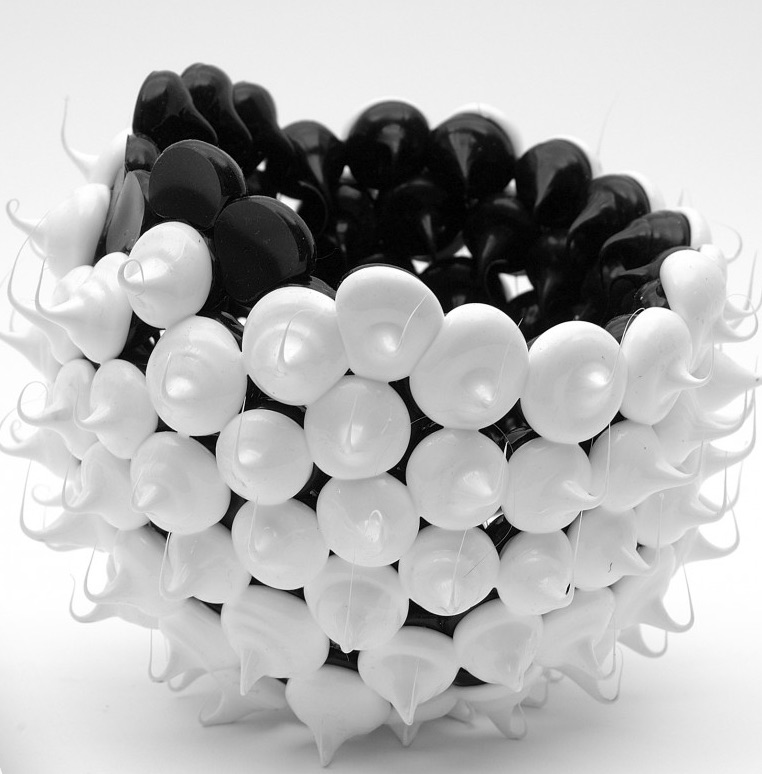
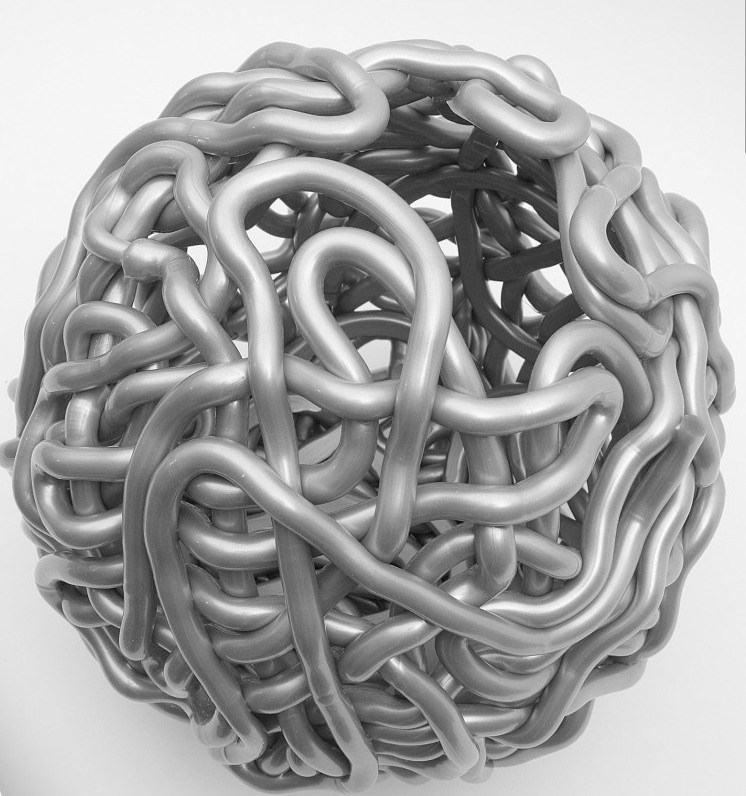
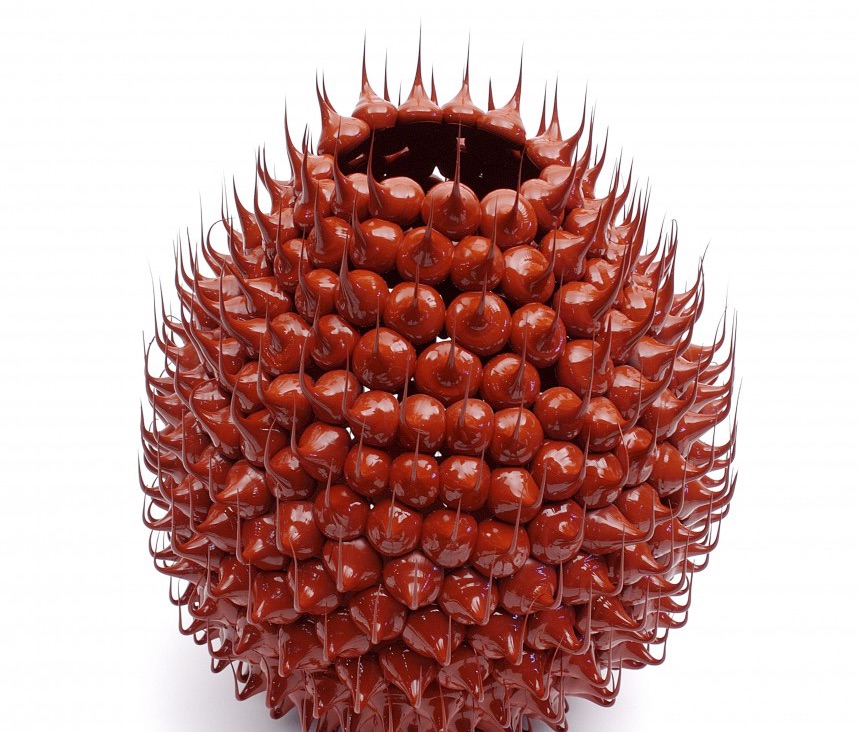
MU’trans Home Accessories
MU’factory Cetti Davì/ Dario Feo reimagines home accessories with a line of centerpieces inspired by the natural world. “The objects created look like static, but they become tender, elastic, and mobile if touched; they start to vibrate and wave unexpectedly,” states the team.
The team employed acetic silicone, which is mainly used in building construction. Each piece is handmade and contains a progressive serial number for authenticity.
3. Japan
Randen Arashiyama Station Railway
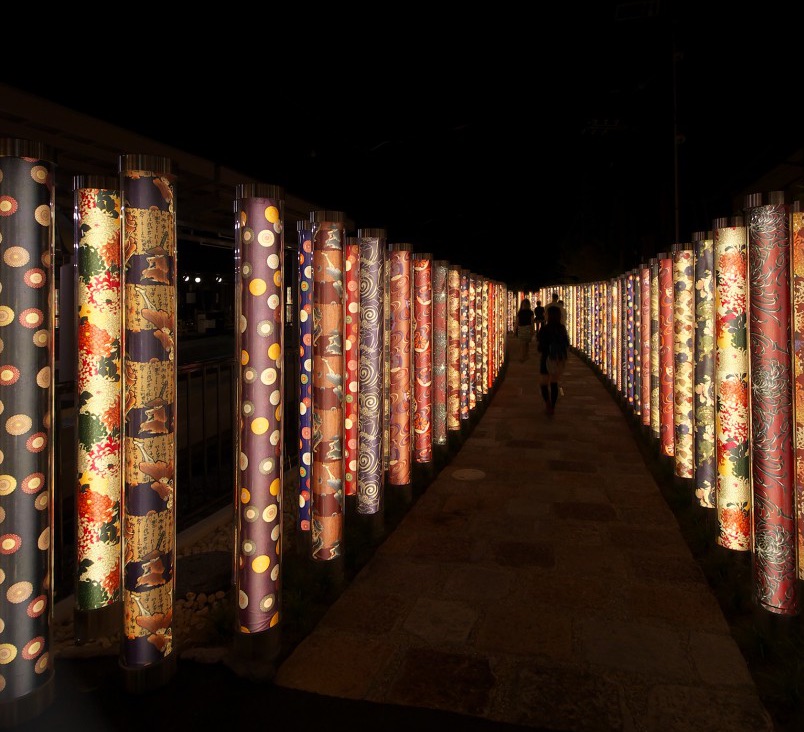
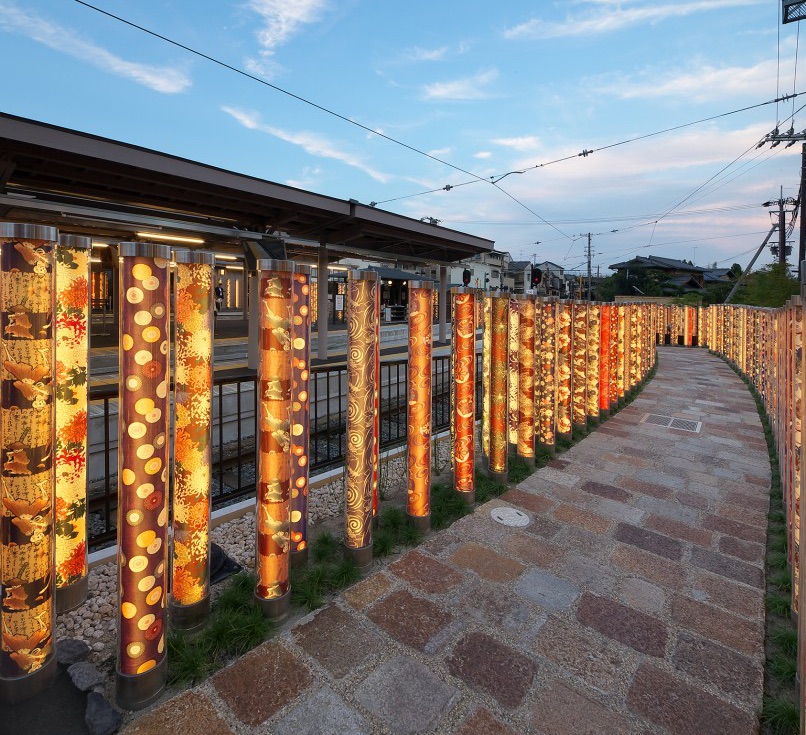
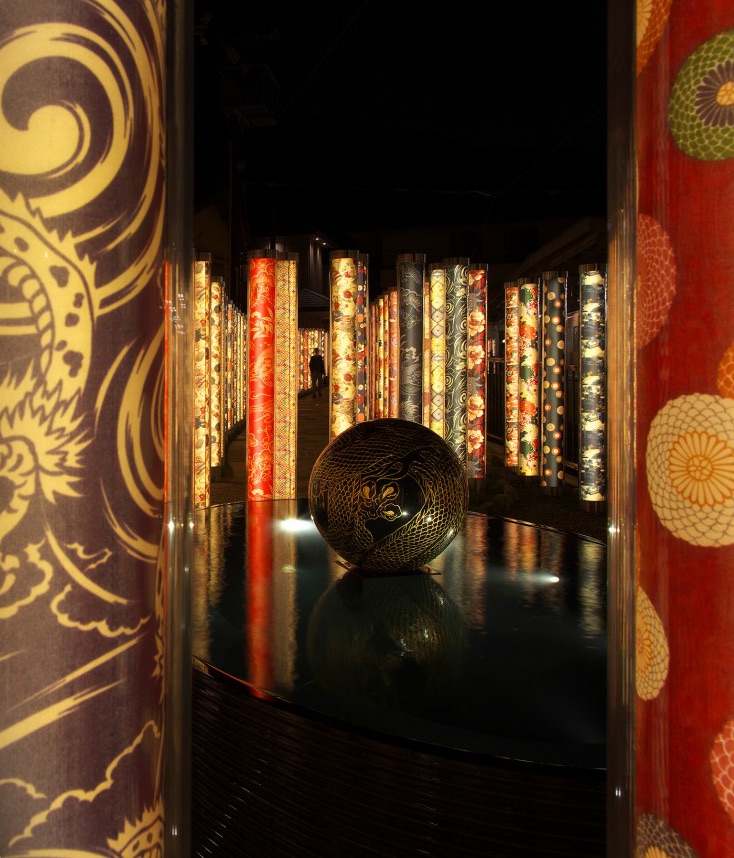
When stepping out of the Randen Arashiyama Station Railway in Kyoto, Japan, visitors are first greeted with an illuminated forest of lights. Approximately 600 poles of lights weave around the station and exterior areas, each wrapped in kimono fabrics and illuminated with LED lights from within.
Designer Yasumichi Morita was inspired by the local Arashiyama bamboo forest, where a pathway winds through the middle and bamboo trees loom over you as you walk through. The idea was to marry the forest with Kyoto’s culture and turn the beautiful and vivid cloth used in Kimono and turned them into a forest of their own.
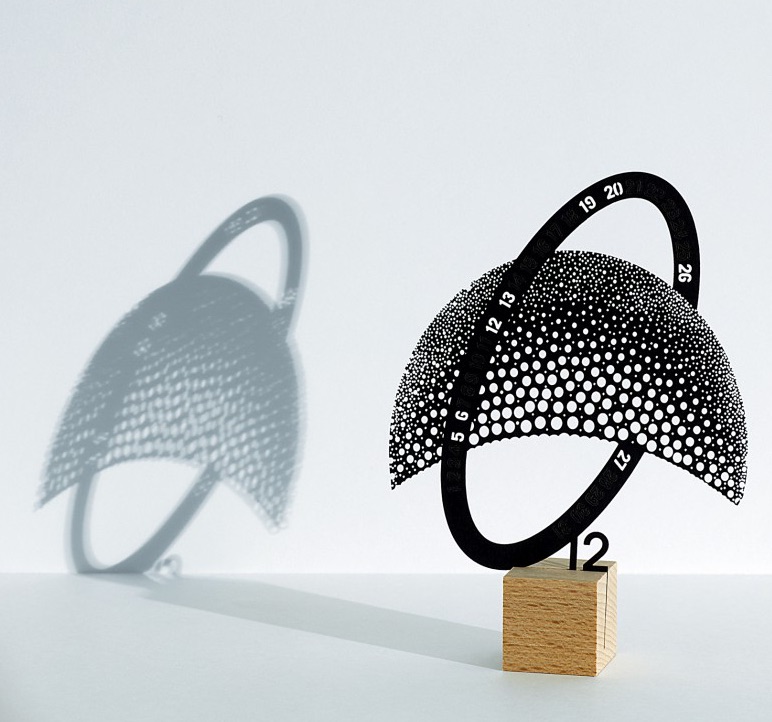
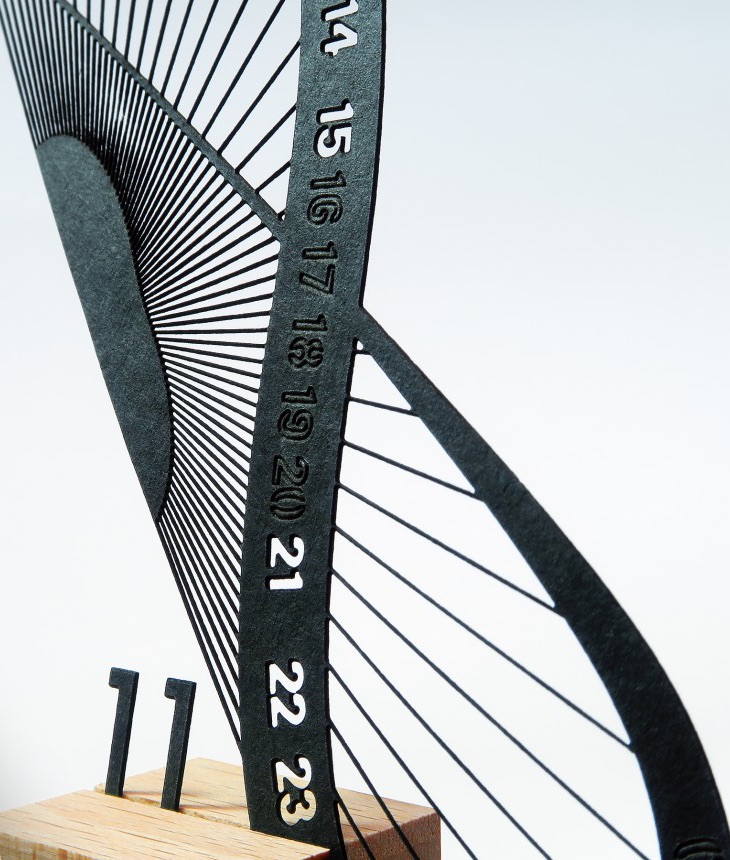
Dimensions in the Shadows Calendar
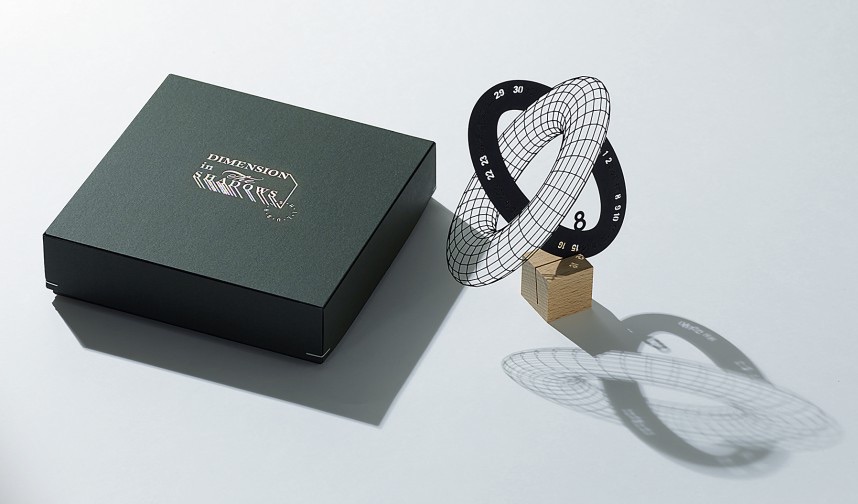
Emi Kawasaki has taken black paperboard and laser cut out 12 intricate designs to represent each month of the year. When light shines through each one, the cutouts will cast a different image onto its surface depending on the light’s angle.
“Each abstract object represents a scene or a moment in changing seasons in Japan, but regardless of age or nationality, inspire people free imagination.” Remarks Kawasaki.
2. The United States of America
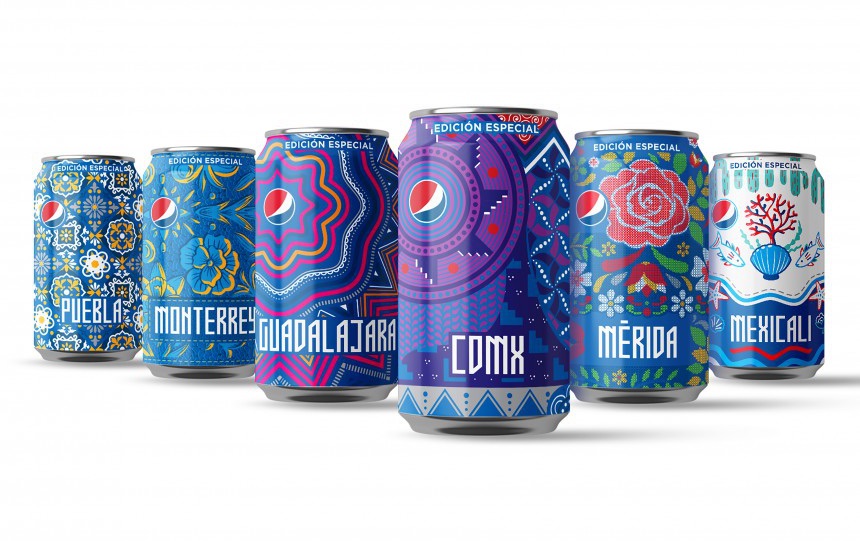
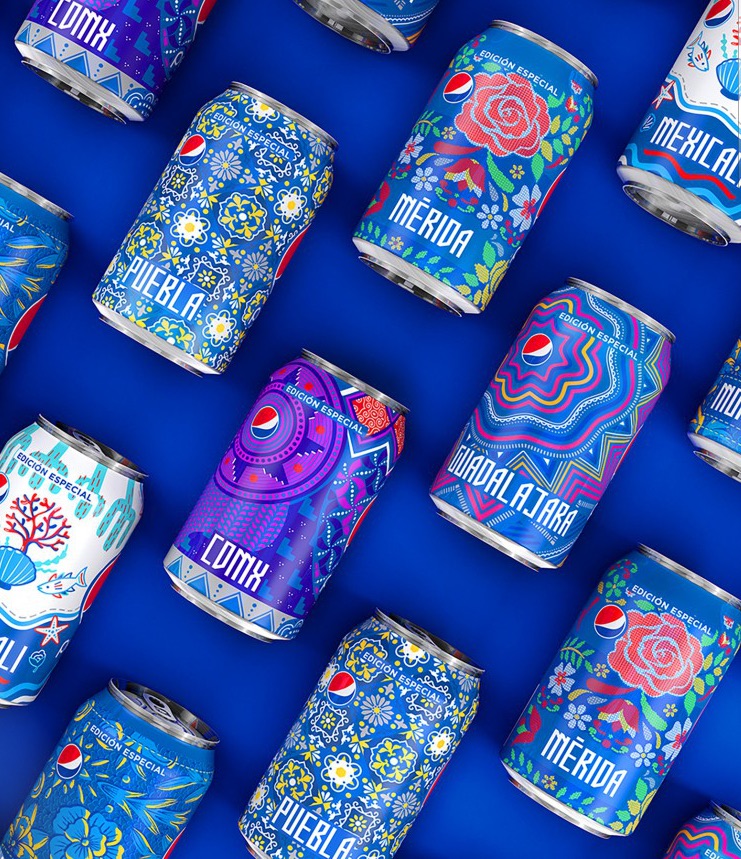
Pepsi Culture Limited Edition Packaging
Dennis Furniss has taken the cultures and traditions of six Mexican cities and translated them into new prints for Pepsi cans. Each can is meant to celebrate the “uniqueness of the people and the individuality of each city.”
“This is an ongoing program globally for the Pepsi brand. However, this is the first time we’ve explored hyper locality as the theme for Design.” The brand and Furniss took six months to research and develop designs representing the cities.
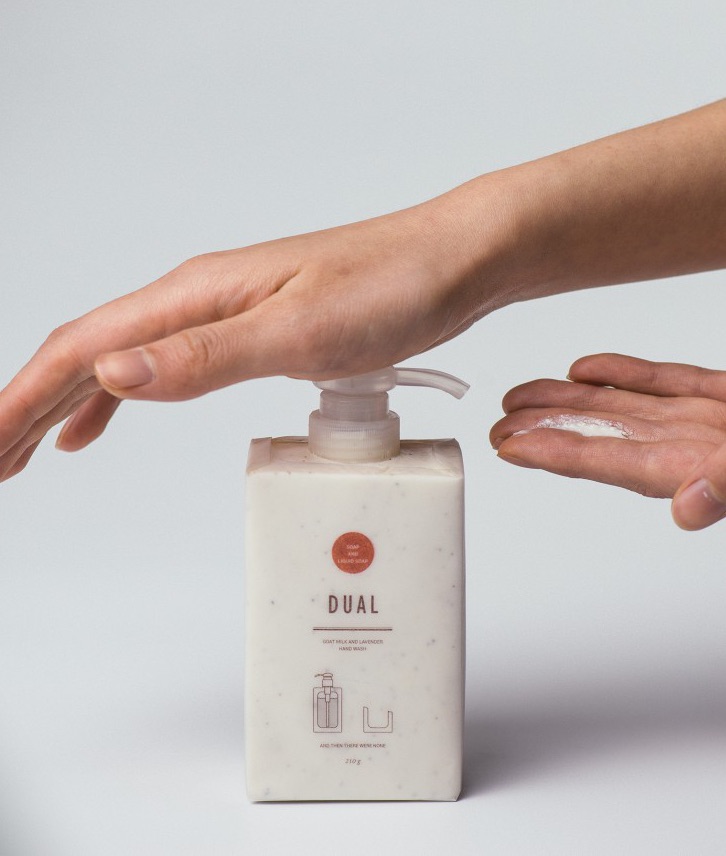
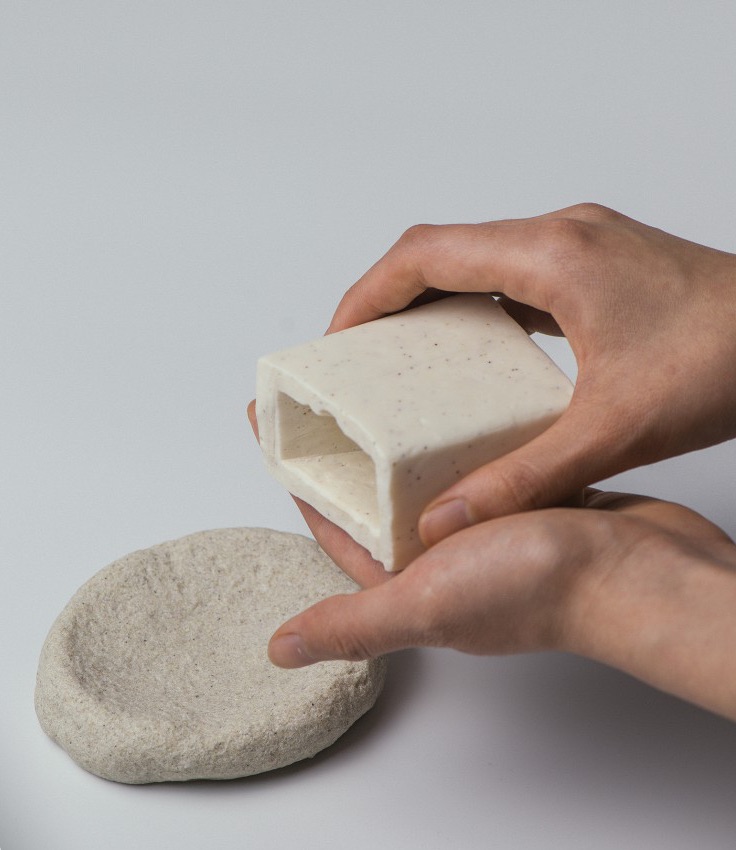
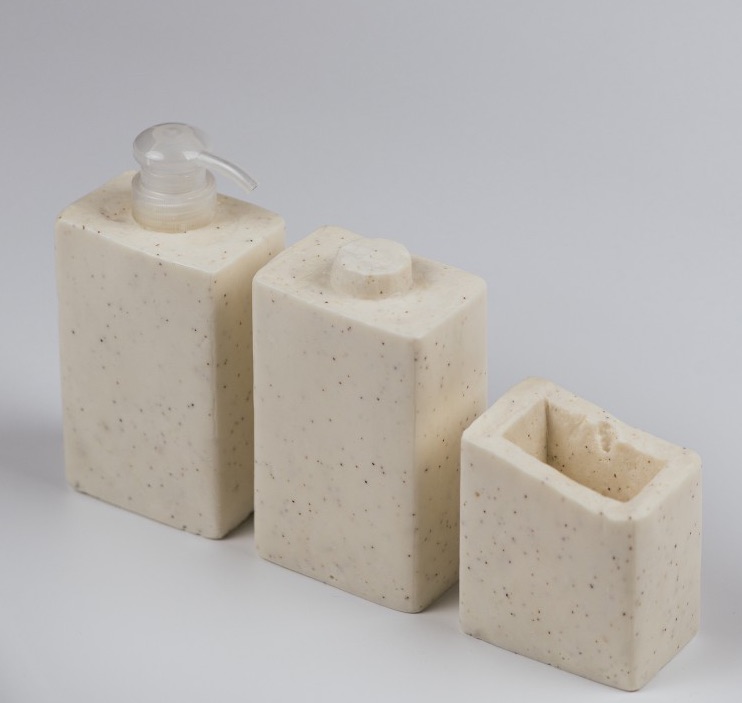
Dual Zero Waste
Sustainability in design has taken precedence over the last few years as the world continues to grapple with Climate Change. Designer Jiani Zeng has offered a unique solution to single-use plastic handwash.
‘Dual’ morphs from a dispenser bottle of liquid soap into a soap bar using solid soap as the packaging. “The solid soap is made in a high density to make sure it does not crash when pressing the pump. It is designed to decrease the plastic pollution generated by the waste bottles,” explains Jiani Zeng.

1. China
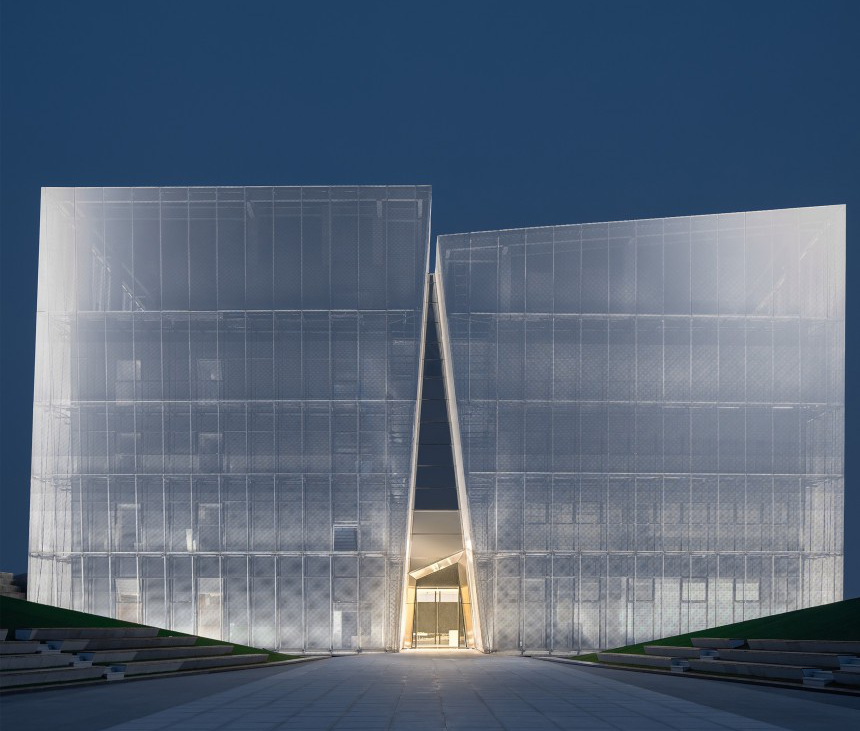
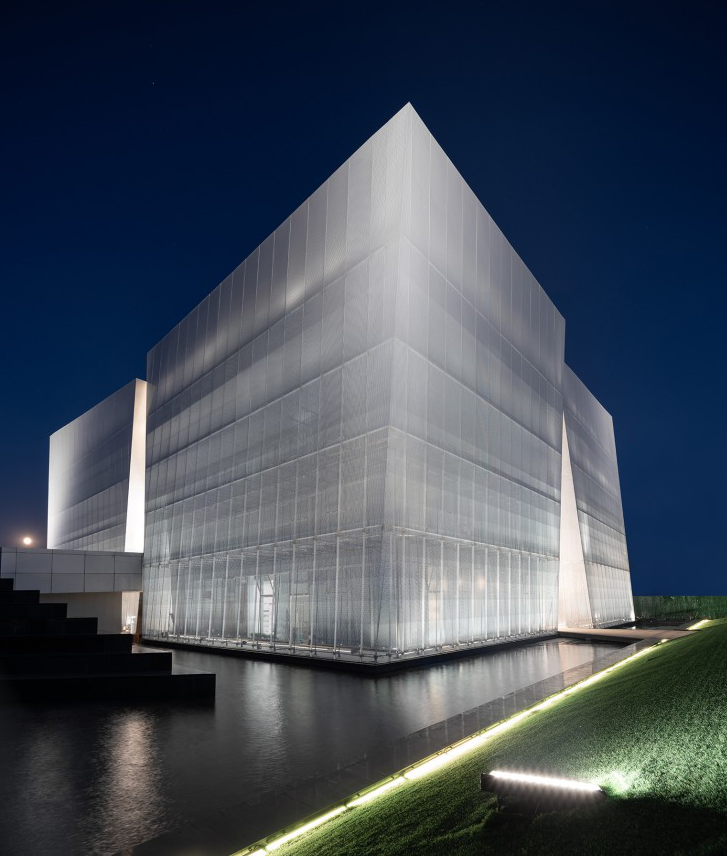
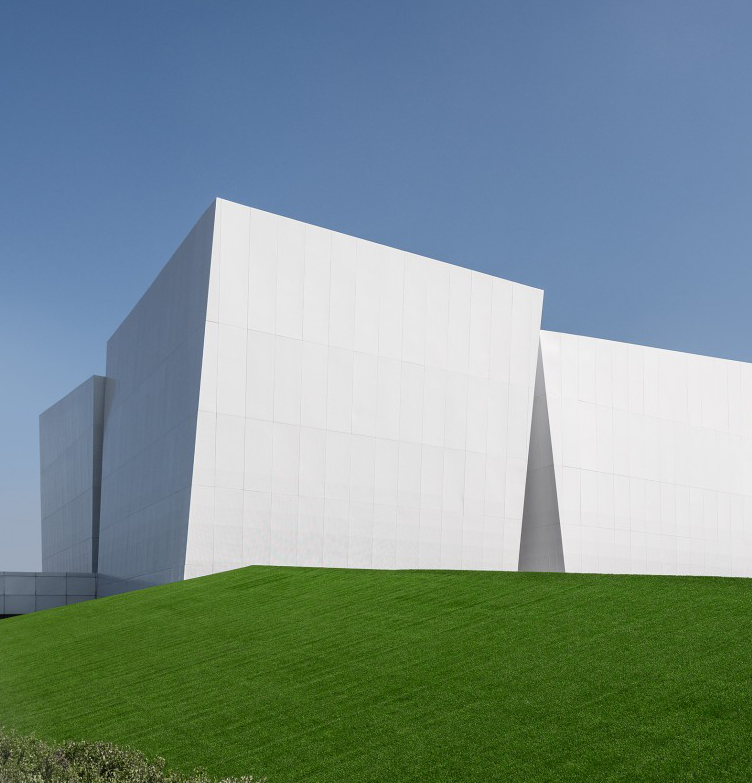
ShuiFa Info Town Property Exhibition Center
ShuiFa brings modern architecture to rural China in the town of Jinan. The building comprises “a four “stones” arrangement, pavement is like a stream of clear spring water flowing from the cracks in the rocks.” Notes designer Qun Wen. The structure hosts residential sales expos, property expos, and offices housed in this uniquely shaped building that utilizes is encased in a perforated plating which changes density from the bottom to the top of the building depending on the purpose of its floors.
“The perforated plate itself has a shading effect, like a layer of ecological skin, making the building more environmentally friendly.” Qun Wen explains.
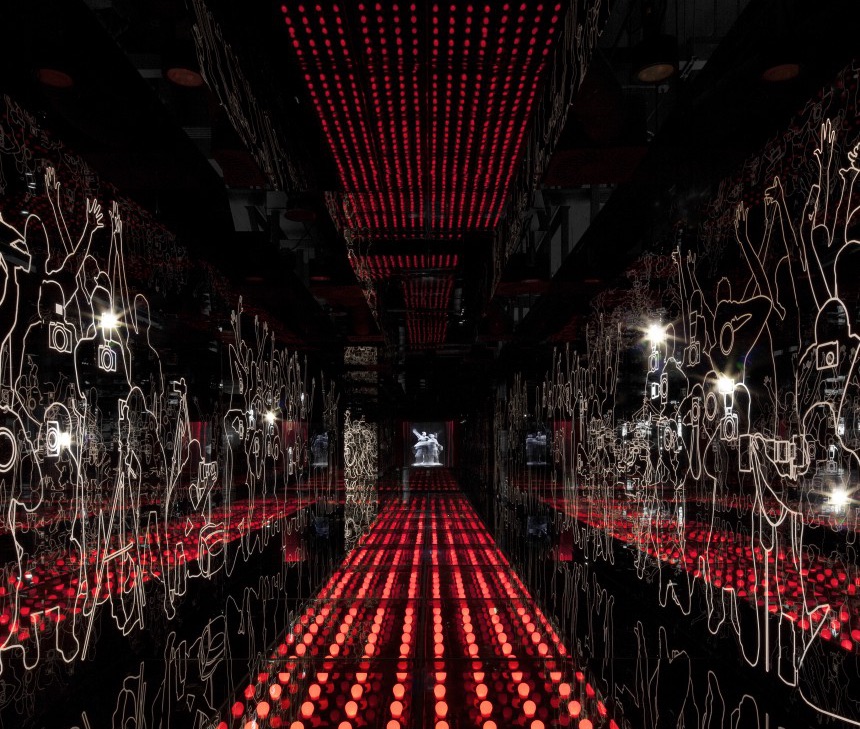
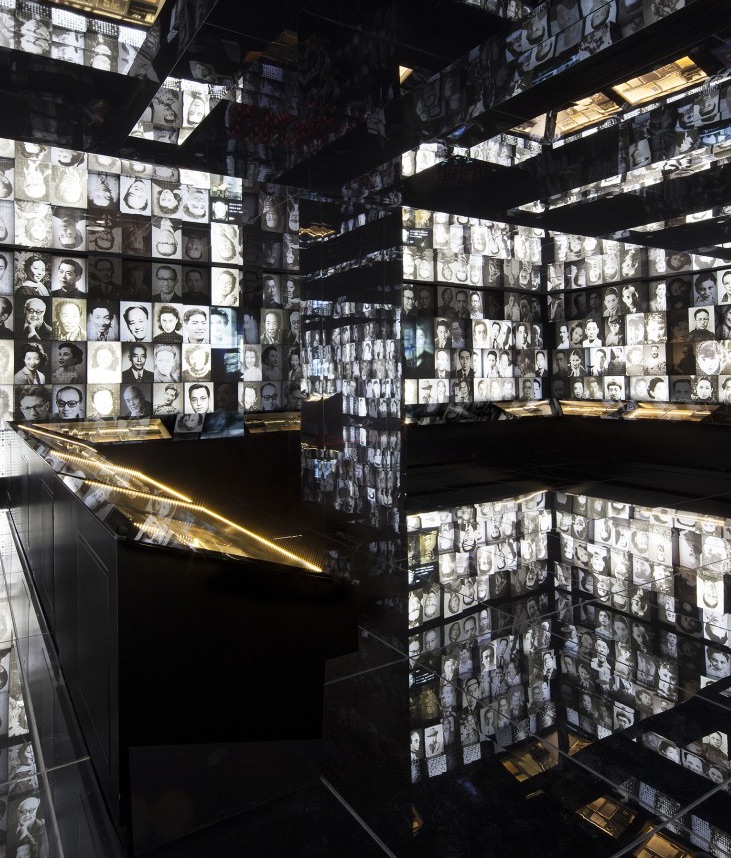
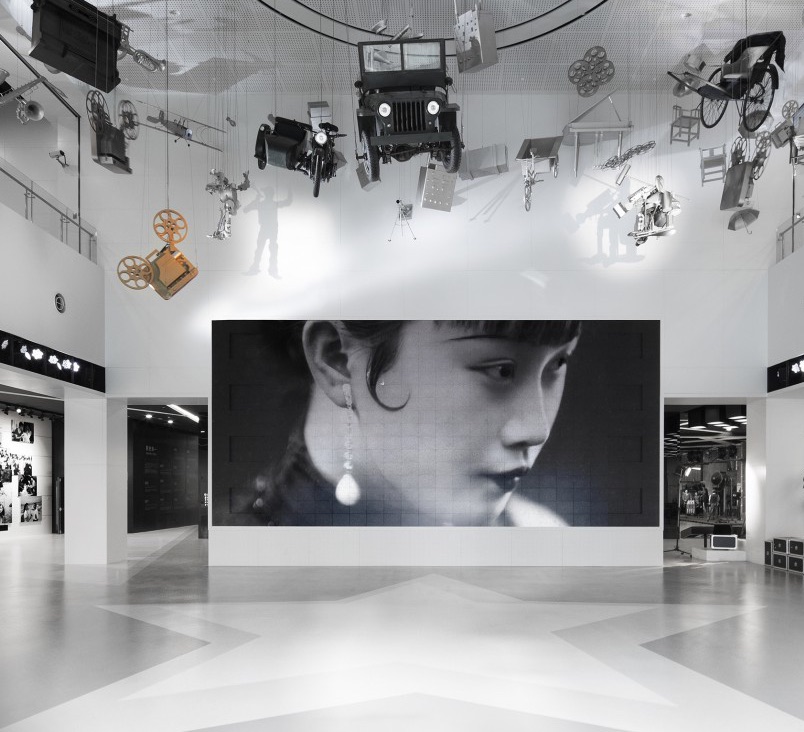
Shanghai Film Museum Museum
Coordination Asia, the design team behind the project, notes that the museum “connects to people’s personal lives and memories.” Visitors are given a chance to not merely be a spectator to Shanghai’s film community but also active participants. The museum covers films from today’s 3D blockbusters to ones as far back as 1886.
A’ Design Award is now open for entries. Register now to let your vision shine.
This is a sponsored post.


