
Hairdressers Donate Human Hair To Give Pollution A Trim At Waterways
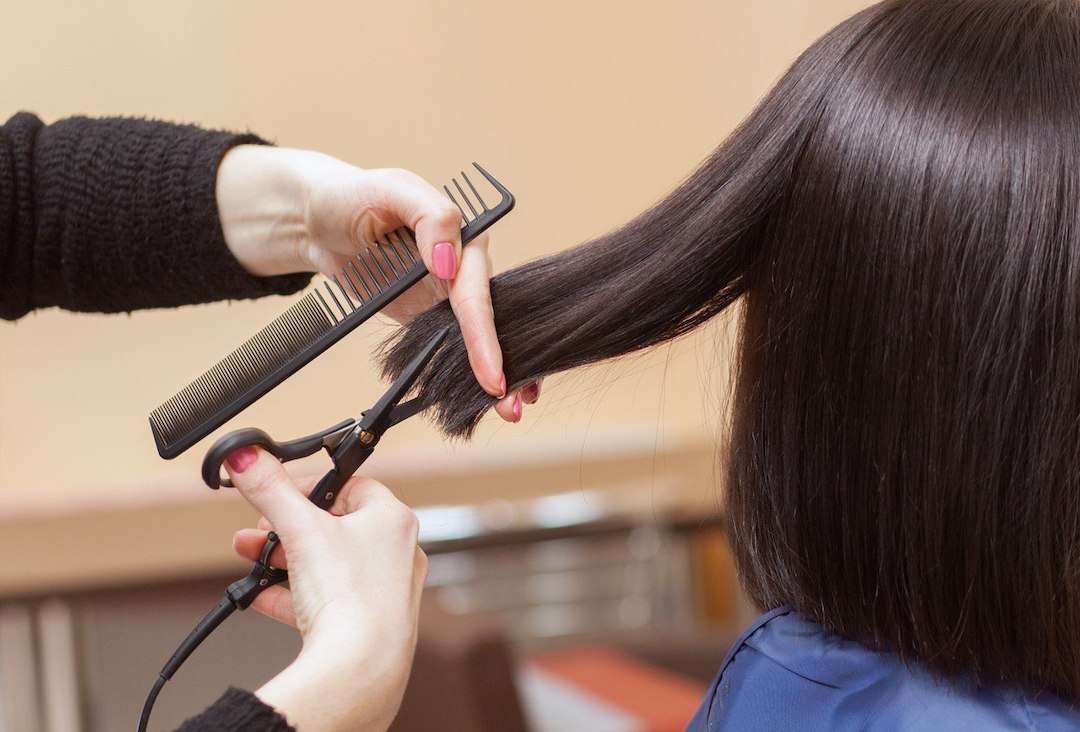
The Hair Recycle Project, an initiative led by nonprofit Dung Dung, has been collecting human hair clippings from hairdressers in Belgium to help clean up the country’s waterways.
In order to support a circular economy, the discarded clippings are turned into matted squares of hair, which are then used to absorb oil and other hydrocarbons polluting rivers.
According to Euronews, the mats can even be submerged in drains to soak up unwanted particles before they make their way to the river, or can be used to clean up oil spills or similar debris left behind by flooding.
Furthermore, apart from hair mats, the leftover clippings from hairdressers can also be made into bio-composite bags, which are a particular type of plastic bag that can be composted to become soil or fertilizer.
Impressively, co-founder Patrick Janssen told Reuters that 1 kg (2.2 lbs) of hair can absorb up to 7 to 8 liters (1.8 - 2.1 gallons) of oil and hydrocarbons. Each strand of hair, which is water-insoluble, can support up to 10 million times its own weight.
Plus, in the name of sustainability, the NGO ensures all products are manufactured locally so as to not increase the project’s carbon footprint. Hairdressers simply pay a small fee for the hair cuttings to be collected.
[via Euronews and Reuters, cover image via Dmytro Dudchenko | Dreamstime.com]


