
Smart Wearable Exoskeletons Lift The Strain Off Manual Labor At Workplaces
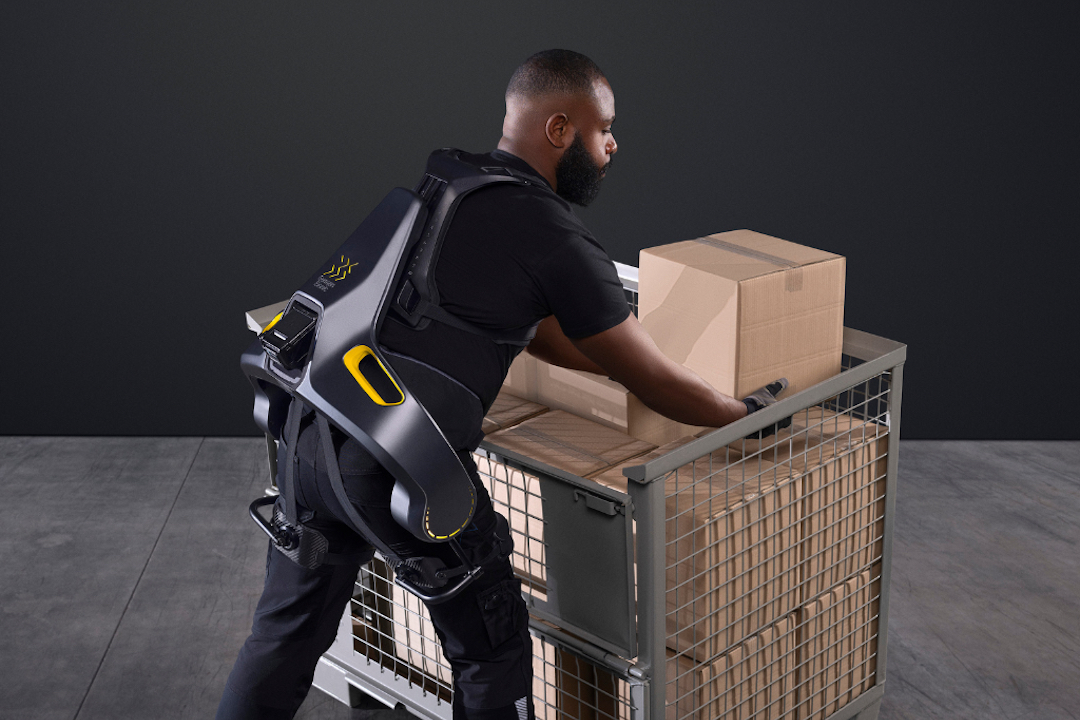
At the Consumer Electronics Show (CES) 2023, robotics maker German Bionic will showcase its series of smart, wearable tools powered by artificial intelligence, designed to keep employees at physically demanding jobs safer in the workplace.
Findings from the World Health Organization have shown that musculoskeletal disorders (MSDs) affect 1.71 billion individuals worldwide, and have now become the leading contributor to disability, with low back pain being the largest cause.
In fact, according to the 2018 Liberty Mutual Workplace Safety Index, serious but non-fatal injuries in the workplace accounted for nearly US$60 billion in direct workers’ compensation costs, or more than US$1 billion per week spent by businesses in the country.

Hence the popularity of the company’s ‘Cray X’ exoskeleton, already used by multi-national firms including L’Oréal, JBS, Ecolab, and Lanxess. It was awarded the ‘Best of Innovation’ prize at CES this year, and will take to the stage alongside the latest Apogee smart exoskeleton.
‘Apogee’, the firm’s next-generation smart robotic wearable tool, boasts an even lighter and more comfortable design than its predecessors, and covers more ground when it comes to protecting staff members at work.
According to the maker, the device, which is dust- and water-resistant, can provide up to 66 lbs of lower back support per lifting movement, and even helps minimize fatigue with an active walking assistance feature.
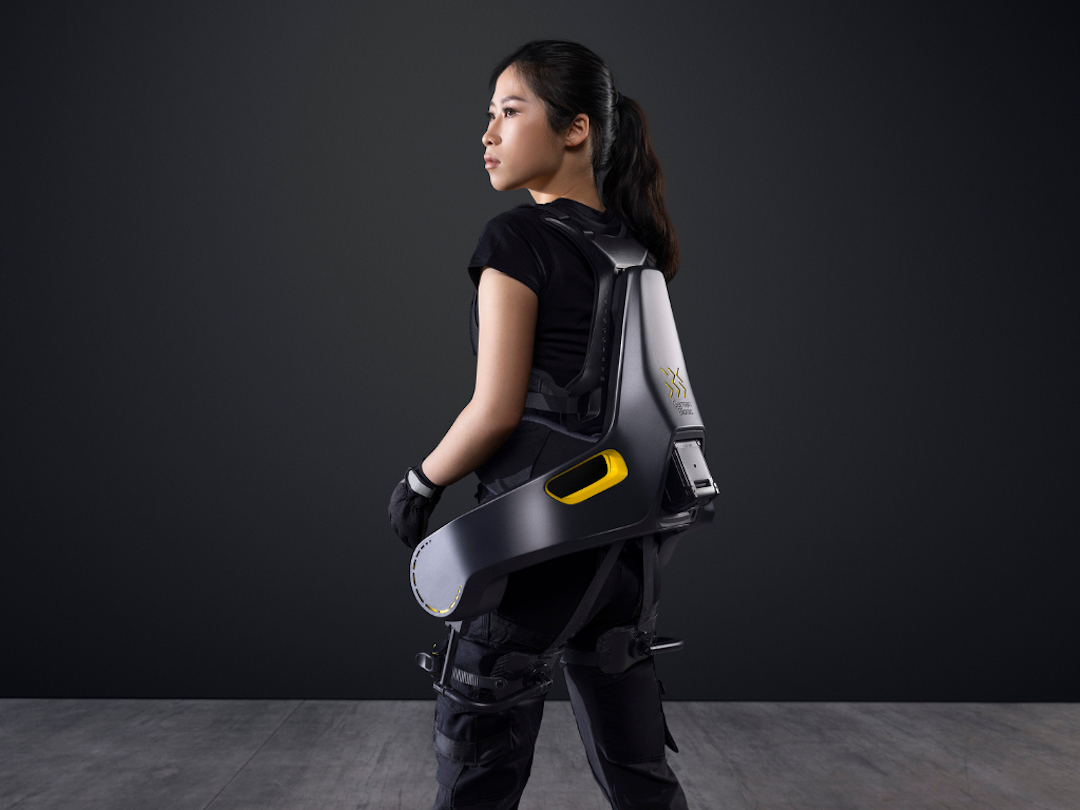
Furthermore, the gadget is easily integrated into a workplace, enabling the wearer to feel an immediate impact in jobs where heavy lifting takes place regularly, such as in the field of logistics, construction, or even medical care.
For workers who don’t require such intense protection, German Bionic has introduced the ‘Smart SafetyVest’, which taps on AI algorithms to deliver personalized ergonomic assessments, insights, and recommendations based on a particular user.
When donning the vest, the wearer will be able to learn of ergonomic risks and how to improve posture in order to reduce fatigue or possible injuries, regardless of what type of work is being performed.
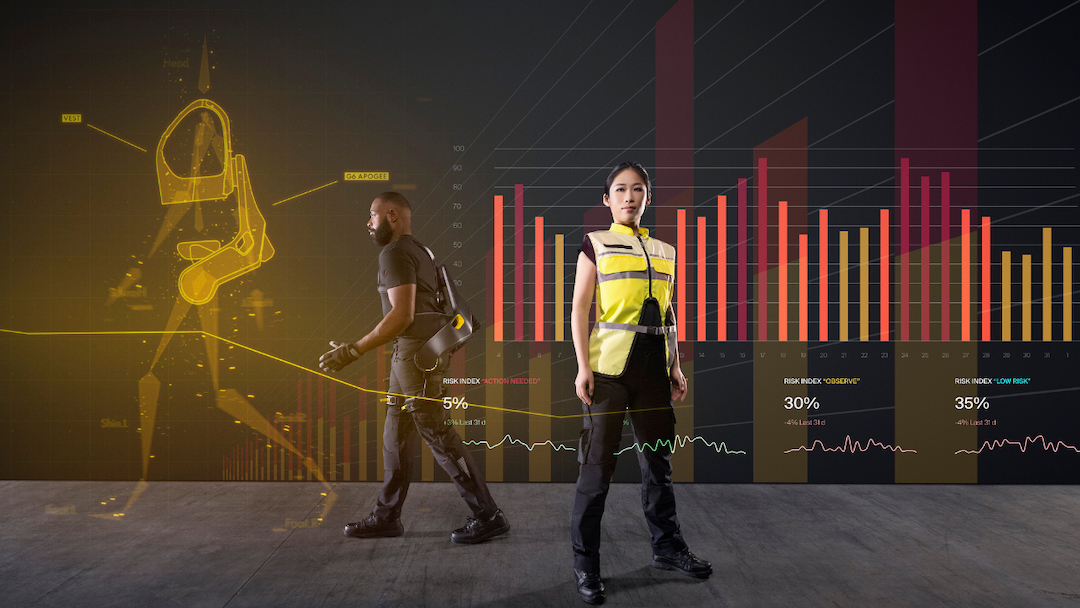
All three devices sync to the firm’s cloud-based German Bionic IO platform to work. The system, which makes health and safety a measurable and visible metric, analyzes information collected from the gadgets to continuously learn and enhance its effectiveness via AI.
“Our smart power suits and wearables protect people performing tough physical work on a daily basis in system-critical jobs against over-exertion and injury,” explained the company’s co-founder, Armin G Schmidt.
[via Basic Tutorials and German Bionic / PR Newswire, images via German Bionic]


