
In China, Companies Are Paying Virtual People $14K Per Year To Work For Them
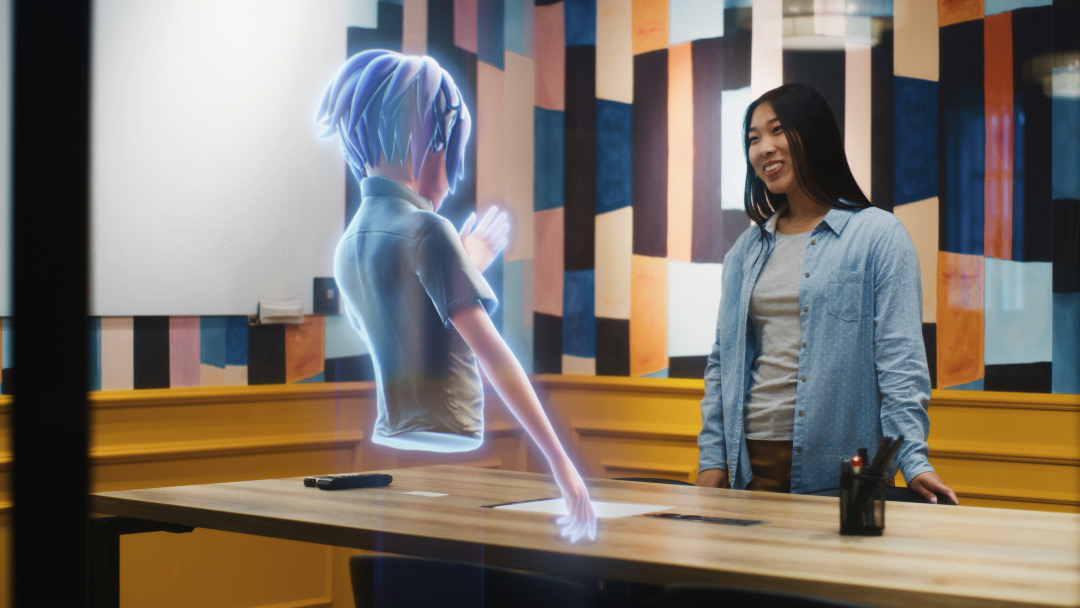
Photo 258426882 © Framestock Footages | Dreamstime.com
People are learning to work with, not against, their non-human counterparts.
Digital avatars are by no means a new concept, but a report by CNBC notes that they’re becoming employees of choice in China.
Instead of heartbeats, virtual staffers are brought to life through the magic of animation, machine learning, and sound effects. They can be trained for customer service and might even be born stars, debuting right away as singers or livestream hosts.
Chinese tech company Baidu says purchases of virtual people have doubled since 2021, and that companies are paying anywhere from 20,000 to 100,000 Chinese yuan (US$2,800 to US$14,300) a year per worker. Some of the sectors that are recruiting more avatar employees are financial services firms, tourism boards, and state media, according to Baidu’s virtual people and robotics lead Li Shiyan.
One avatar who has carved out a successful career is Luo Tianyi. Introduced in 2012, the virtual singer has since performed at several concerts and even at the Beijing Winter Olympics opening ceremony in 2022.
A compensation of US$14,300 a year is a bargain in comparison to when digital avatars first broke into the scene. As per the report, costs in manufacturing virtual people have been cut by 80% since last year, and they will likely continue to lower as the technology to create them evolves. The above is the price demanded by a 3D employee; 2D workers don’t share the same depth, so their asking salary would be about US$2,800.
The virtual person industry is anticipated to grow by 50% every year through 2025, according to Li.
So why pick someone who could literally have been born yesterday as opposed to a real person who has accumulated experience? At least in China, many companies are weary of spokespeople who have found themselves in scandals involving their personal lives or tax evasion, says Sirius Wang, chief product officer and head of marketplace Greater China at data and consulting company Kantar.
Brands love that they can create a nice, clean-cut backstory for their ambassadors, and that they can distance themselves from any baggage that comes with real-life celebrities.
As dystopian as all this sounds, digital avatars have counterintuitively encouraged inclusive practices in the workforce. In Japan, one convenience store is being run by disabled persons who communicate with shoppers via remote-controlled anime characters.
[via CNBC and NDTV, cover photo 258426882 © Framestock Footages | Dreamstime.com]


