
Scientists Discover Mystery Ingredient To Roman Architecture Surviving Millennia
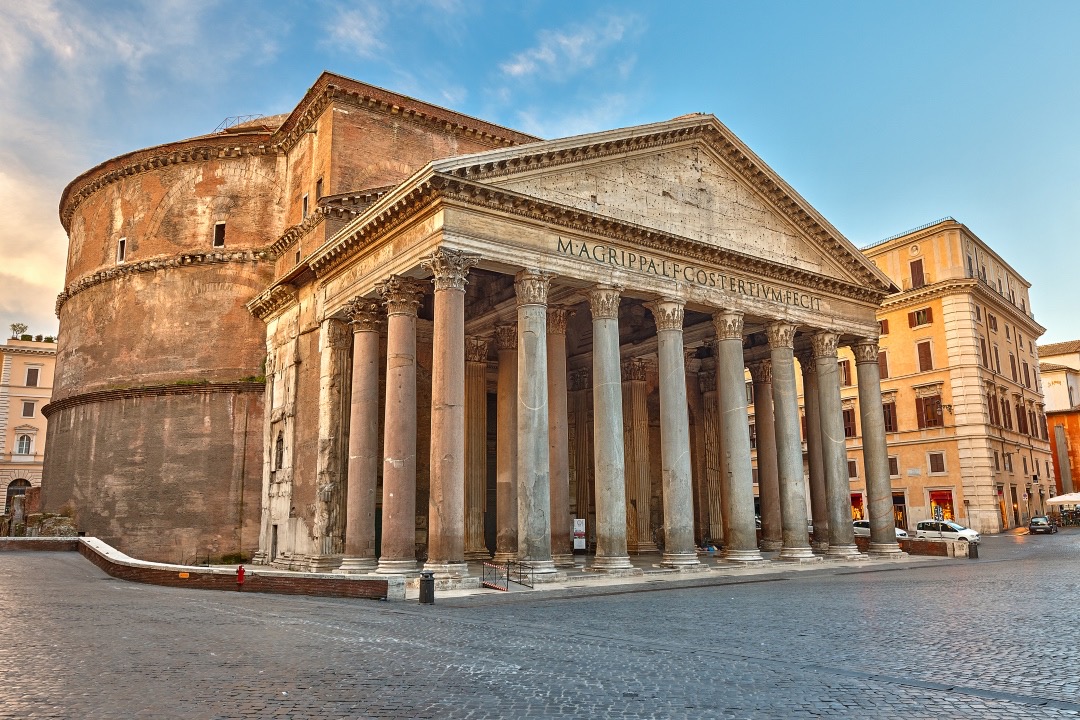
Photo 33384142 © Sborisov | Dreamstime.com
Rome wasn’t built in a day, and the care and consideration put into its building blocks mean people of the far future can still admire its structures.
More than two millennia on, ancient Rome’s majestic architecture, including the Colosseum, is still standing. Even with modern advances, the Pantheon continues to hold the world’s largest dome constructed from unreinforced concrete.
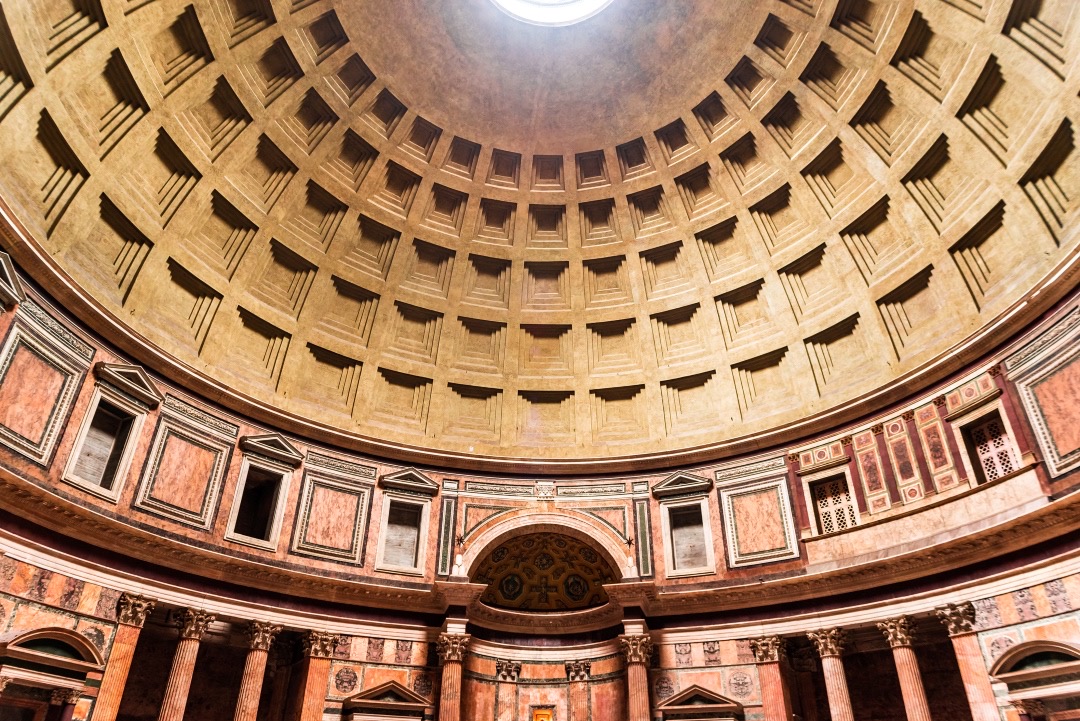
Photo 45368221 © Emicristea | Dreamstime.com
Roman concrete has proven to be hardier than the man-made construction material commonly used today, surviving thousands of years instead of just decades. It allowed engineers of the time to create intricate buildings in delicate areas like disaster-prone zones, docks, and sewers, CNN reports. At long last, a team of international researchers led by the Massachusetts Institute of Technology (MIT) has identified the secret ingredient that makes ancient Roman architecture so durable. They’ve shared their findings in the Science Advances journal.
To begin, the scientists—hailing from the US, Italy, and Switzerland—gleaned 2,000-year-old concrete samples from a city wall at the archaeological site of Privernum in central Italy that bore a similar structure to others that arose during the Roman Empire. They noticed that the mixture included some white chunks, which turned out to have given the concrete self-healing powers.
The white lime clasts were long thought to have been the result of poor-quality raw material or slipshod mixing work. This notion didn’t add up for Admir Masic, MIT professor of civil and environmental engineering and one of the researchers, as it didn’t fit the idea of perfection ancient Roman engineers had sought with architecture.
Ancient scholars inscribed precise recipes for concrete and applied them across structures erected in the Roman Empire. “If the Romans put so much effort into making an outstanding construction material, following all of the detailed recipes that had been optimized over the course of many centuries, why would they put so little effort into ensuring the production of a well-mixed final product?” Masic questions. The composition’s reinforcements being chalked up to low-quality materials “always bothered” him.
It was previously believed that volcanic ash imported from Pozzuoli, on the Bay of Naples, was the star ingredient that enabled Roman structures to survive the test of time. Now, researchers understand that this is not the full picture—the “inferior” lime, in fact, helps fill cracks that have formed over time, and that both components are essential.
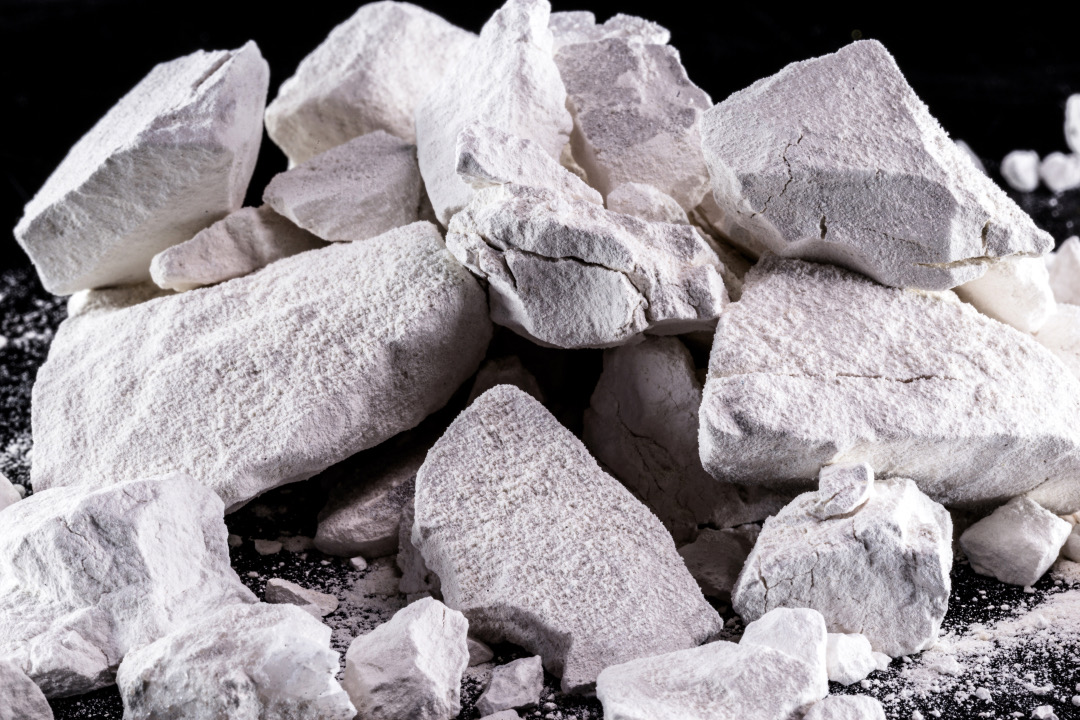
Photo 215842535 © Roberto Junior | Dreamstime.com
The lime clasts are the result of quicklime (also known as calcium oxide), the most dangerous and reactive form of dry limestone, being mixed into the cement and exposed to extreme temperatures.
“Hot mixing” was key to the superb, long-lasting qualities of the artificial stone, the team discovered.
“The benefits of hot mixing are twofold,” explains Masic. “First, when the overall concrete is heated to high temperatures, it allows chemistries that are not possible if you only used slaked lime, producing high-temperature-associated compounds that would not otherwise form.”
“Second, this increased temperature significantly reduces curing and setting times since all the reactions are accelerated, allowing for much faster construction,” the researcher continues.
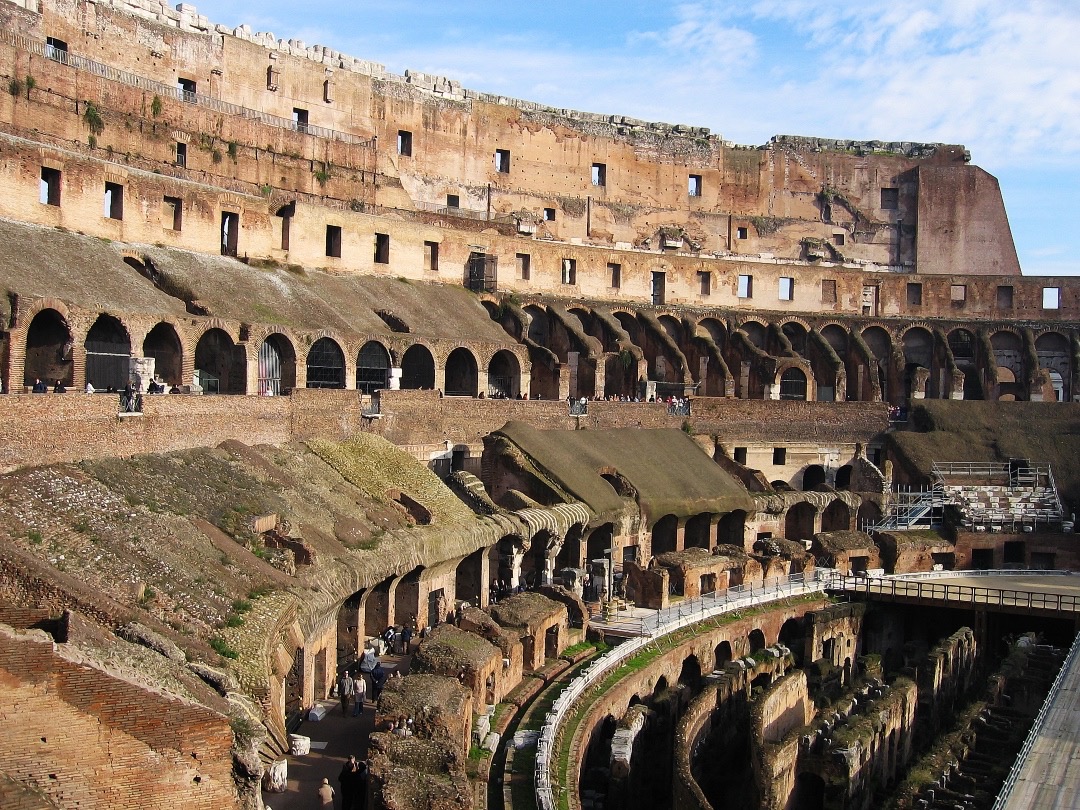
A shot of the Colosseum’s interior. Photo 6750451 © Nuno Leitão | Dreamstime.com
To set their learnings in stone, the team created two concrete samples—the first following Roman recipes and the other in line with modern mixtures—and cracked them, as well as introduced water to them. Two weeks later, they saw that the water had continuously flowed through the modern concrete. As for the one inspired by ancient Roman formulas, it protected itself against the passage of water.
It appears that the lime clasts can dissolve into cracks and recrystallize in the presence of water, therefore healing cracks before they spread.
Taking a leaf out of the book of the past, and combining it with modern techniques like 3D printing, means we may one day work with more sustainable, self-healing concrete that doesn’t need replacing after decades of use.

An architectural 3D scale model of Rome’s Pantheon. Illustration 99684795 © Andreadonetti | Dreamstime.com
Roman concrete led to “an architectural revolution” that “completely [changed] the way humans live,” Masic shares with CNN. And chances are it could revolutionize how we approach future living too.
A modern concrete based on ancient recipes has the potential to cut global greenhouse gas emissions by 8%, the study projects.
The team is now developing a way to make their eco-friendly concrete scalable so that it could replace standard concrete.
“It’s exciting to think about how these more durable concrete formulations could expand not only the service life of these materials, but also how it could improve the durability of 3D-printed concrete formulations,” Masic concludes.
[via CNN, ScienceAlert, EurekAlert, images via Dreamstime.com]


