
Earth’s Ozone Layer Is Healing, Hole Could Patch Up By 2066
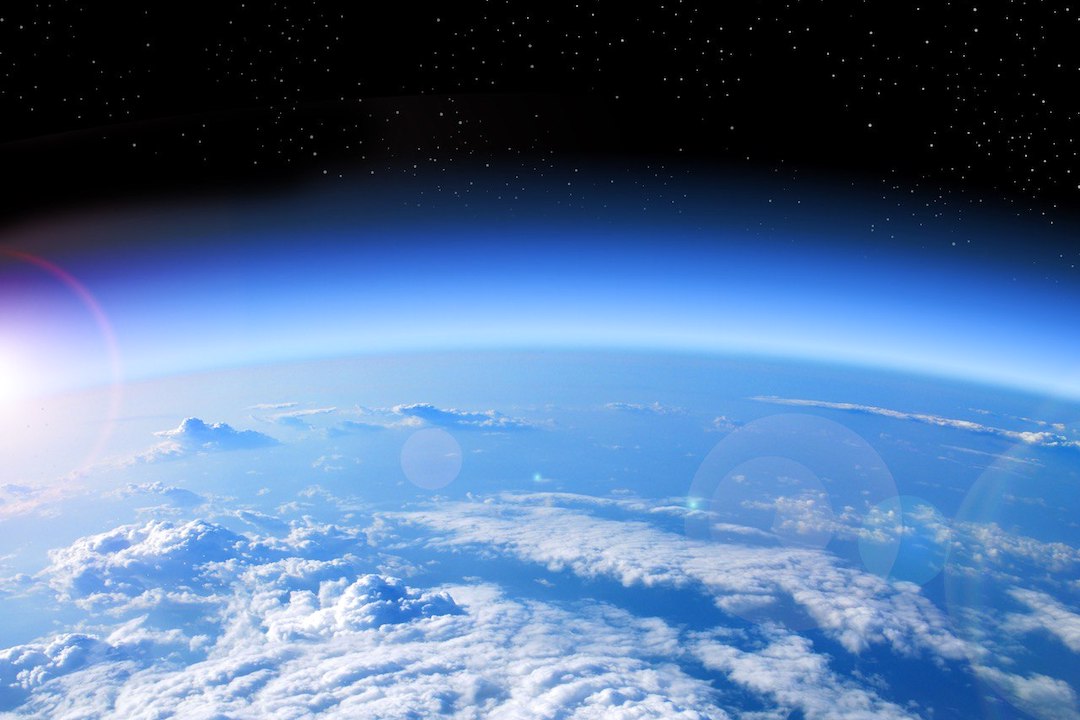
As the climate crisis continues around the globe, here’s some good news to start the year: The planet’s protective ozone layer has been steadily healing, with the United Nations predicting the hole over Antarctica could fully mend by 2066.
The recent assessment, performed once every four years, shows the ozone has been making progress in its recovery, a feat that was only possible thanks to an agreement over three decades ago that saw every nation in the world agree to stop producing ozone-depleting chemicals.
Paul Newman, co-chair of the assessment, commented that improvements were seen in the upper stratosphere and ozone hole. Though, as expected, progress is slow. The global average amount of ozone (18 miles high) in the atmosphere will not return to pre-1980 levels till 2040.
For Antarctica, where the ozone layer is so thin a gaping hole was formed, the world will have to wait 43 more years before it’s fully fixed. It may seem bleak that major progress is still decades away, but the collective action undertaken to save the ozone sets an encouraging precedent.
“Our success in phasing out ozone-eating chemicals shows us what can and must be done—as a matter of urgency—to transition away from fossil fuels, reduce greenhouse gases, and so limit temperature increase,” says World Meteorological Organization Secretary-General, Professor Petteri Taalas.
A patched-up ozone layer has far-reaching benefits. In an email to The Associated Press earlier this year, United Nations Environment Programme Director Inger Andersen revealed that the healing atmosphere is “saving two million people every year from skin cancer.”
As the ozone layer inches along in its recovery, and better protects humans from the sun’s harmful ultraviolet (UV) rays, here’s to hoping the same concerted action can be taken toward global warming and climate change.
[via The Associated Press and United Nations Environment Programme, cover image via Studio023 | Dreamstime.com]


