
London’s Natural History Museum Criticized For Depicting Oil Sponsor Positively
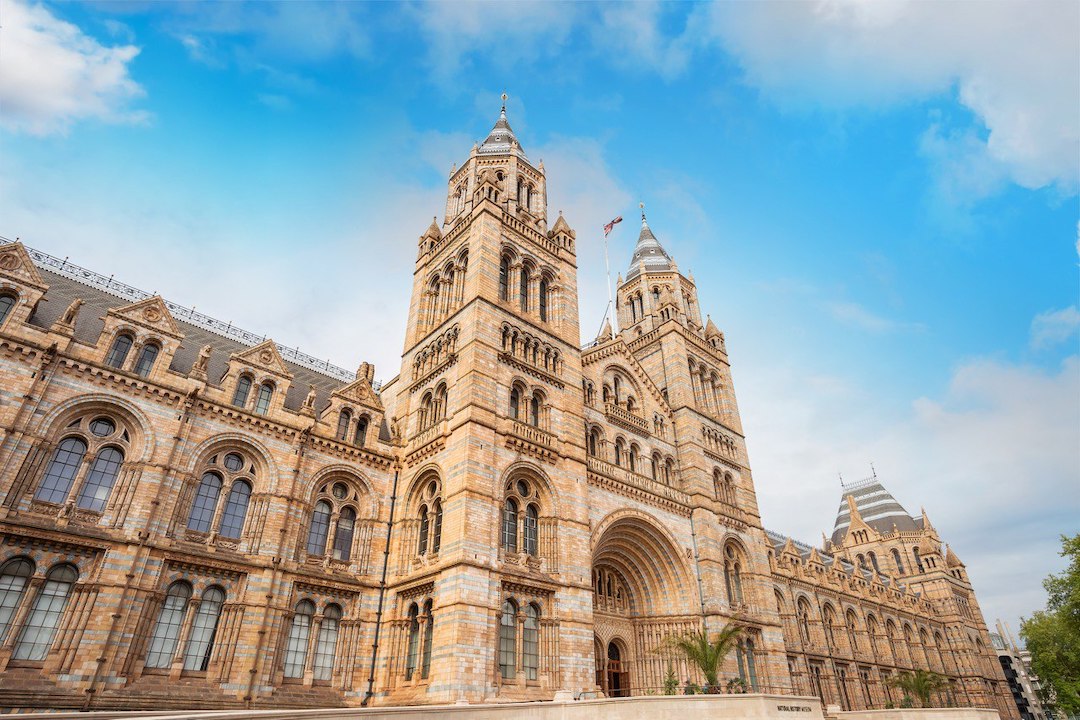
Amid the backlash against greenwashing, one place you may not think would be involved with cozying up to the world’s oil giants is the museum. Unfortunately, it turns out the London Natural History Museum has now been accused of purposefully portraying its oil sponsor positively.
According to a report from The Guardian, the institution had signed a multi-year deal with Danish power supplier DONG—now Orsted—back in 2016 as the headline sponsor of its annual Wildlife Photographer of the Year competition.
While that in itself may not raise too many eyebrows, the contract involved a “gagging clause,” in which the museum was prohibited from making “any statement or [issuing] any publicity which may reasonably be foreseen as discarding or damaging the reputation” of the energy firm.
As Artnet News pointed out, this revelation was no doubt seen as a conflict of interest for the establishment, which by its nature is a publicly-funded venue focused on presenting the natural world to visitors.
Robin Wells, a representative from the environmental group Fossil Free London, told the newspaper he felt it was “totally unacceptable” for the public to be exposed to information “controlled by large corporations” when touring the museum’s exhibits.
It didn’t go unnoticed that in the 2016 edition of the contest, a photograph depicting a cormorant darting through thousands of fish below an oil rig, which was captured by Alex Mustard, was displayed with a caption that made light of the ill effects oil excavations have on marine life.
While it did admit that drilling in the ocean for oil “is not generally considered beneficial for wildlife,” it went on to posit that oil rigs could “provide shelter and a rich food supply” for many animals underwater.
Notably, when the museum signed an extension to the contract with the energy company in 2020, it appears no one had taken out the “gagging clause” from the document, though a spokesperson in London said that the institution retains “absolute control over all our exhibitions.”
Instead of admitting to greenwashing, the Natural History Museum argued instead that its annual photography competition has helped raise awareness of climate change for nearly six decades, and continues to document the damage wildlife face from the “devastating impact of fossil fuels.”
Ørsted concurred with the establishment, saying it did not “seek to influence” the views espoused by the museum or that it was limiting any “independent, critical, fact-based commentary” found in its exhibits.
[via Artnet News and The Guardian, cover image via Cowardlion | Dreamstime.com]


