
White House Announces Plan To Decarbonize Entire Transportation Sector
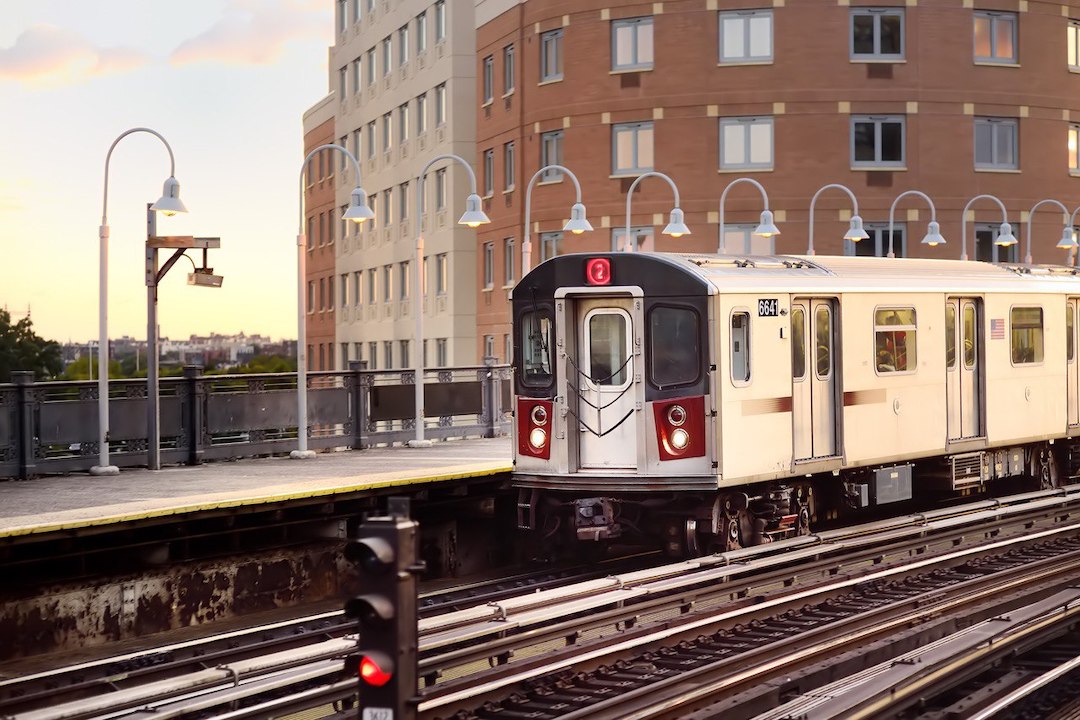
The White House has recently released the US National Blueprint for Transportation Decarbonization, a landmark plan developed by the Departments of Energy, Transportation, Housing and Urban Development, and the Environmental Protection Agency to cut all greenhouse emissions from the country’s transportation network by 2050.
According to a statement, the Blueprint will be followed by more in-depth action plans across all modes of travel, including through land, air, and sea, involving both passengers and goods. This push to reduce emissions from the transportation sector could inspire huge change, considering the industry makes up a third of all domestic greenhouse gases.
Furthermore, a well-planned decarbonized system could help lower transportation costs for low-income citizens, as money spent on traveling from one place to another accounts for the second largest annual household expense among families.
As per Interesting Engineering, the plan will involve three components. First, the government will seek to increase the convenience of transportation by improving walkability in cities, ensuring that key services are located near residential areas to reduce the need to travel.
Then, the Blueprint will look into expanding affordable, accessible, and efficient public transportation options so that passengers have better and more reliable options when getting from place to place.
Last but not least, vehicles used in these transportation networks will be transitioned over to greener options, such as zero-emission cars and trains, and sustainable fuel options across all forms of travel.
“The domestic transportation sector presents an enormous opportunity to drastically reduce emissions that accelerate climate change and reduce harmful pollution… to ensure all Americans feel the benefits of the clean transportation transition: good-paying manufacturing jobs, better air quality, and lower transportation costs,” sums up US Secretary of Energy, Jennifer M Granholm.
[via Interesting Engineering and US Department of Transportation, cover image via Marysmn | Dreamstime.com]


