
Greece Rejects British Museum’s Long-Term Parthenon Marbles Loan Deal
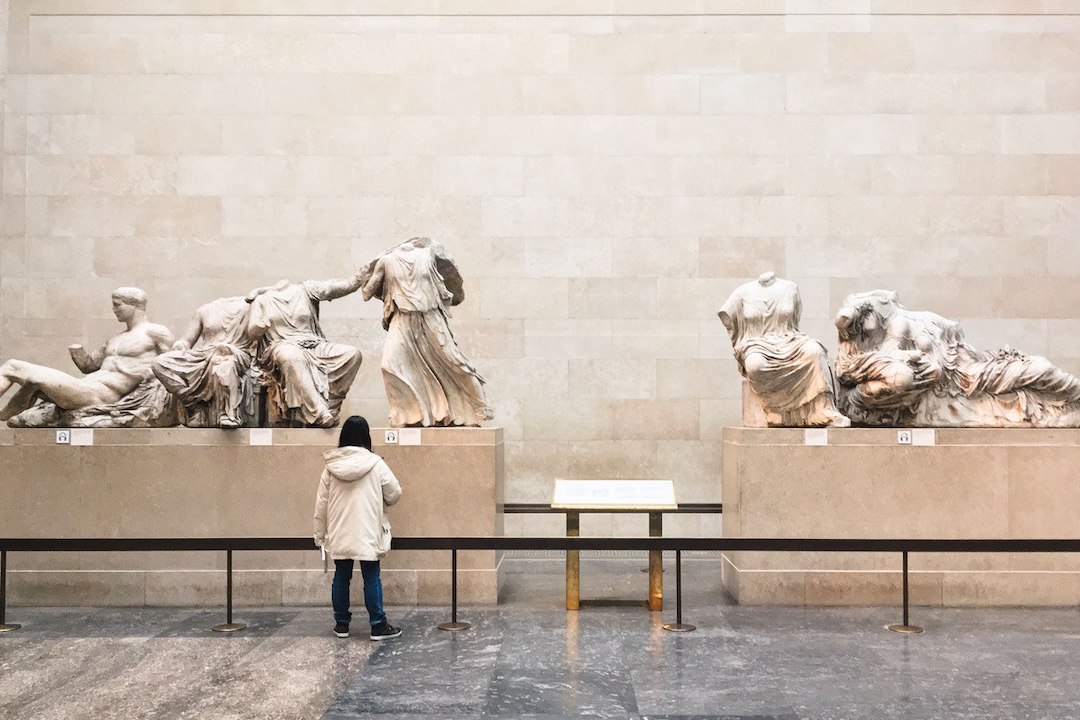
In December last year, the long-standing feud between the British Museum and Greece over the Parthenon Marbles seemed to take a positive turn, with the two entities reportedly meeting for secret talks that were deemed to have reached “advanced stages.”
When Pope Francis announced the Vatican Museums would be returning its share of the 2,500-year-old relics weeks later, the Greek Ministry of Culture and Sports said it hoped the move would “put pressure” on the London landmark.
However, it appears no deal will be achieved soon, despite recent rumors that the two sides were nearing an agreement. Now, Greece has rejected a proposed “long-term loan” from the British Museum, saying it refused to acknowledge the institution legitimately owns the sculptures.
This isn’t the first time the countries involved in the deal have reneged on their respective positions. During the short time Liz Truss led the UK as Prime Minister, she ruled out any suggestions that the nation would hand back the relics to Greece.
That changed once she was replaced, and now, it seems it’s the other’s turn to go back on its stance. Weeks ago, The Telegraph reported British Museum Chairman George Osborne had come up with a “landmark deal” with Athens as part of a “cultural exchange” loan.
As per the newspaper Kathimerini, by agreeing to this long-term loan, Greece would have to acknowledge the British Museum’s right to loan out the items. The Greek Ministry has long held the opposing position, not recognizing the institution’s “jurisdiction, possession, and ownership.”
Reuters noted that in a recent televised meeting between Greece’s Prime Minister Kyriakos Mitsotakis and President Katerina Sakellaropoulou, the former said he still holds out hope that the artifacts will be returned permanently, making the issue a central topic of his re-election efforts.
Mitsotakis explained that he wanted the Marbles to be returned, so that everyone, and not only Greek citizens, can “see and enjoy this universal monument in its entirety,” within its natural habitat, which he deems as the Acropolis Museum.
[via Artnet News and Reuters, cover image via Wirestock | Dreamstime.com]


