
Five US Locales Get New Names To Eliminate Racist Term Against Native Americans
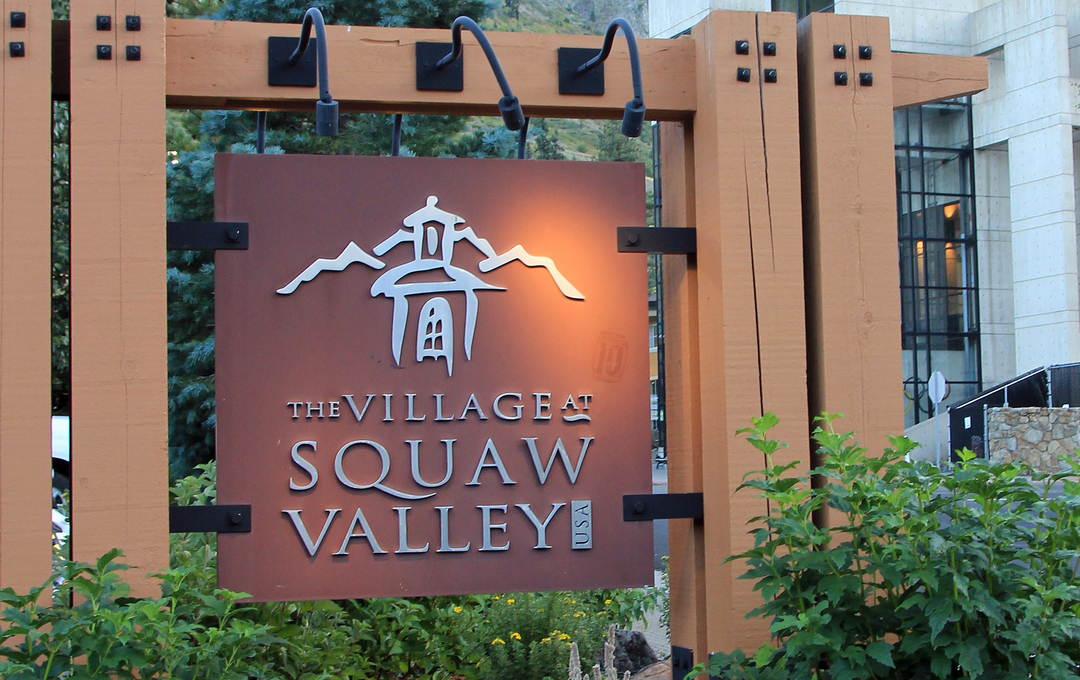
Photo 246551178 © Lucy Cherniak | Dreamstime.com
Five sites in California, North Dakota, Tennessee, and Texas have had their original names officially changed, following a year-long process to remove a racist slur against Native American women from federal use.
These locales are the last of nearly 650 locations that have been renamed by the Department of the Interior, which chose to make the changes to ensure public lands were “accessible and welcoming to people of all backgrounds.”
According to the BBC, the term “squaw” has historically been used as a derogatory ethnic, racial, and sexist slur, targeting Indigenous women in particular. This step to replace such names around the country is a “big step forward” in addressing issues that should be considered long overdue.
The California site ‘Squaw Hill’ was renamed ‘Loybas Hill’, proposed by the Paskenta Band of Nomlaki Indians, meaning “young lady,” while another location in the state had its name changed from ‘Squaw Valley’ to ‘Yokuts Valley’, or “people” in the Indigenous language.
Additionally, the North Dakota locale is now named ‘Homesteaders Gap’ instead of ‘Squaw Gap’, voted by the community due to the name’s relevance to the local history. While in Tennessee, the site of ‘Squawberry’ was changed to ‘Partridgeberry’, a plant that the community had been named for in the past.
Last but not least, the region in Texas was renamed from ‘Squaw Mountain’ to ‘Lynn Creek’ in tribute to Isaac Lynn, a resident who lived nearby.
Only two unchanged sites remain, with the one in Wyoming removed from renaming because it’s on privately owned land, while the region in Alaska no longer has an unincorporated community.
As AP pointed out, authorities have been on a mission to remove controversial words from names across the country.
Last year, a panel recommended a Colorado mountain change its name that was tied to a massacre. Hundreds of peaks, lakes, streams, and geographical formations had their names changed from racist and misogynistic terms.
[via BBC and Associated Press, cover image via Lucy Cherniak | Dreamstime.com]


