
NSFW: Freed Pompeii Slaves’ House Reopens With A Generously-Endowed God NSFW
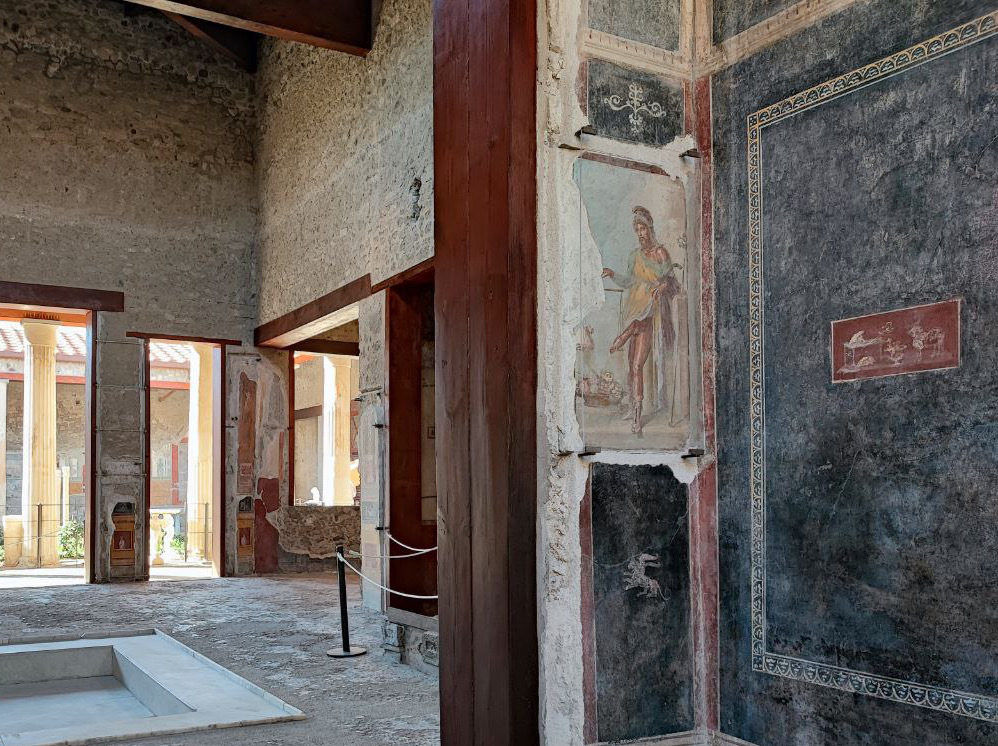
Image via © Silvia Vacca / Archaeological Park of Pompeii
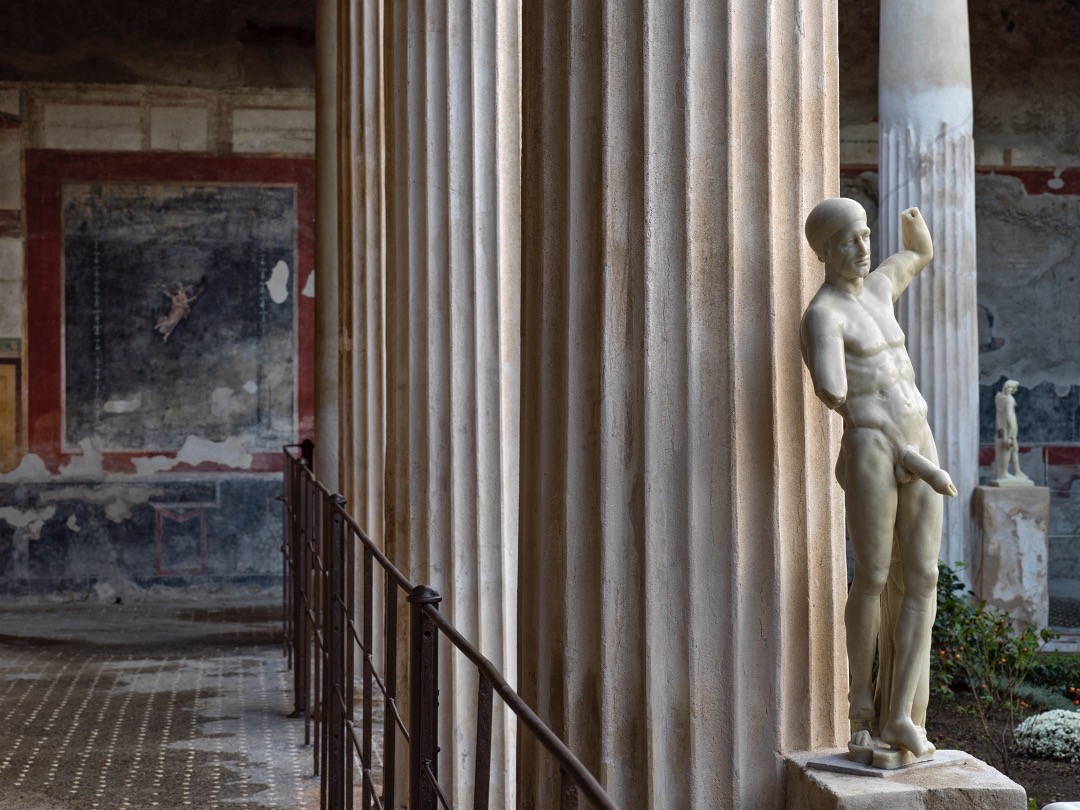
While David of Michelangelo reflected the male ideal of the time, down to the smallest member of details, in Pompeii, they were all about big d**k energy. In ancient Roman times, erotica was displayed all over houses without making guests blush.
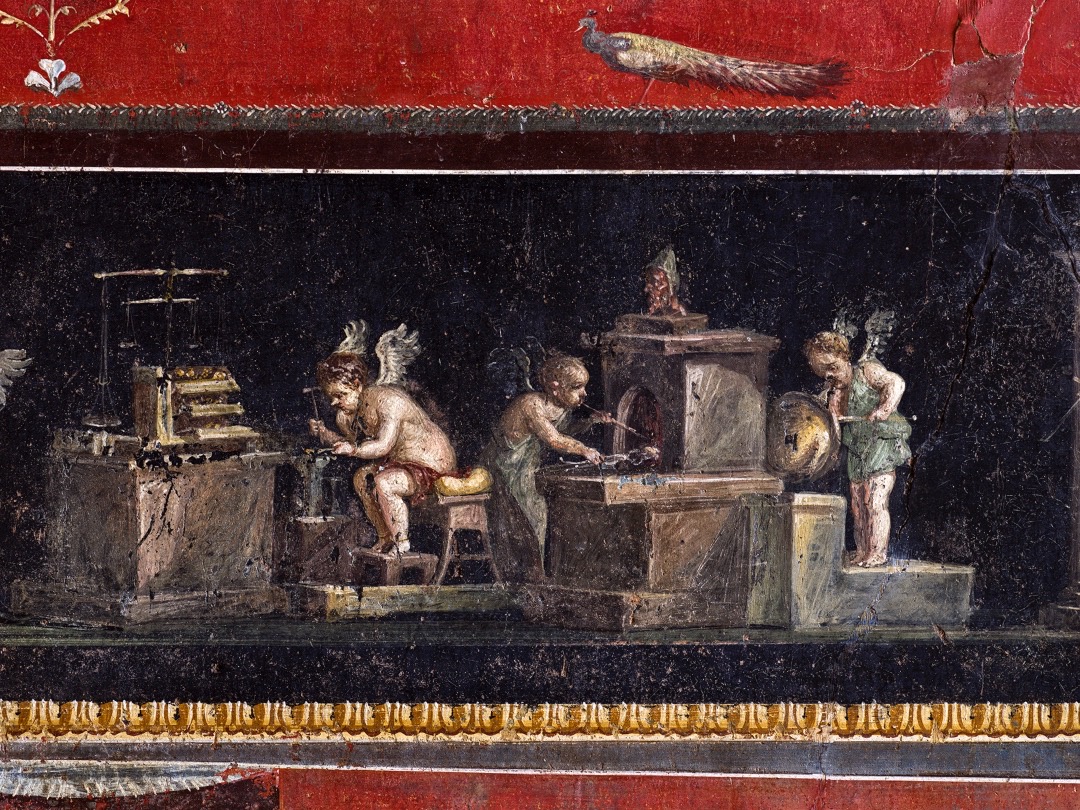
One such home is now ready to greet a more bashful public. La Casa dei Vettii (The House of the Vettii) belonged to Aulus Vettius Conviva and Aulus Vettius Restitutus, brothers said to be former slaves who broke the glass ceiling and landed on their big break after joining the booming wine trade. They expressed their wealth in an opulent piece of property… and tons of provocative art.
The home was excavated in the late 1800s, frozen in time by the fateful eruption of Mount Vesuvius. Primed for restoration, it was closed to the public in 2002 to be properly resuscitated, with a partial reopening of the atrium and entrance hall in 2016. The Archaeological Park of Pompeii has regarded the project as “one of the most complex construction sites” it has worked on for decades, no thanks in large to the protective wax layer over the frescoes of the establishment that made it challenging to repair the artworks without damaging them.
Speaking of largeness, let’s address the elephant-sized phallus in the room. La Casa dei Vetti’s entryway, to be specific.
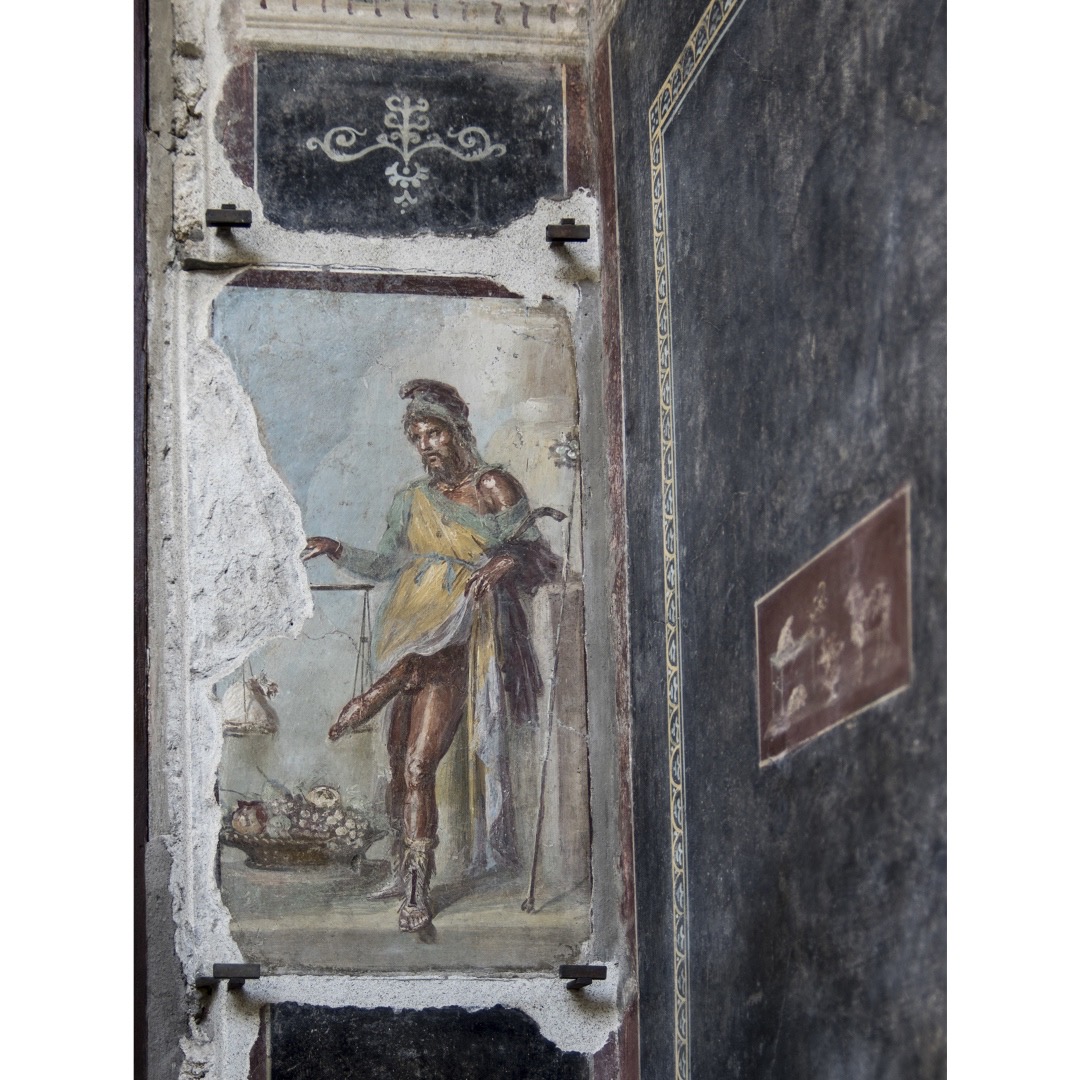
The painting depicts the god Priapus, the supposed son of Aphrodite and Dionysis according to varied stories of Greek and Roman mythology, weighing his genitals on a scale with a bag of coins.
Legend has it that Hera—the goddess of marriage and protector of women at childbirth—was jealous of Aphrodite’s beauty and cursed Priapus with a penis that was always large and erect despite having no fertile use. History enjoys painting females in a spiteful light, and males with characteristics of godlike proportions.
Priapus is protector of livestock, fruit, and plants, and apparently even male genitalia. He was also believed to ward off evil.
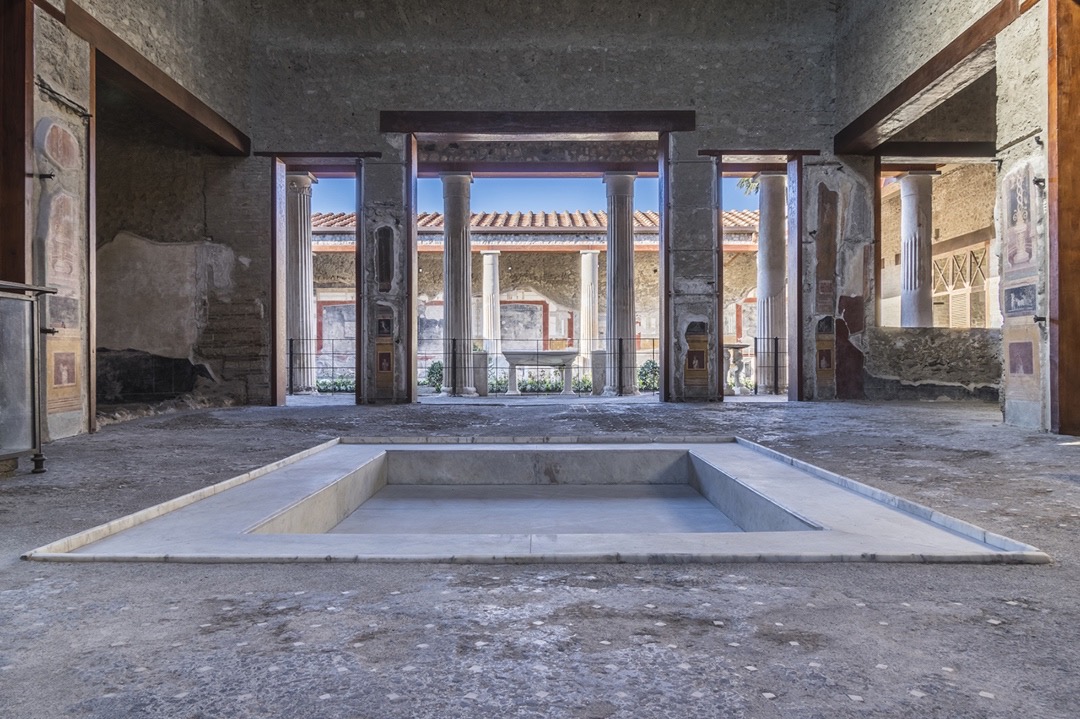
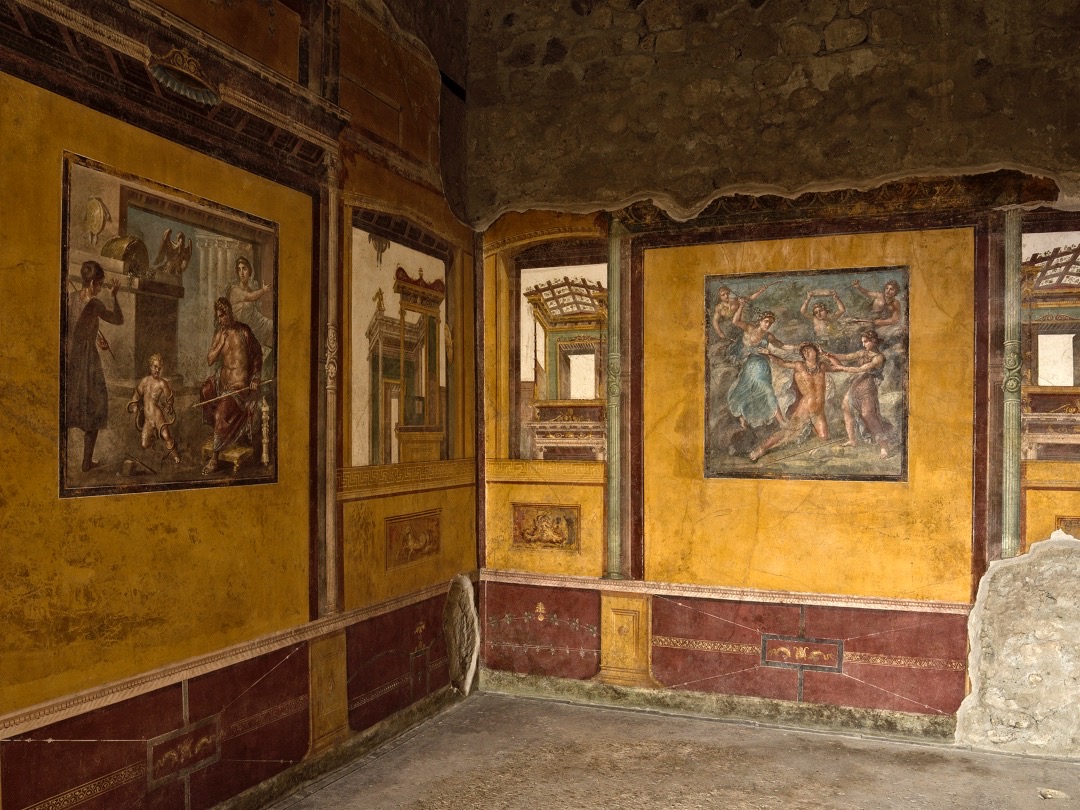
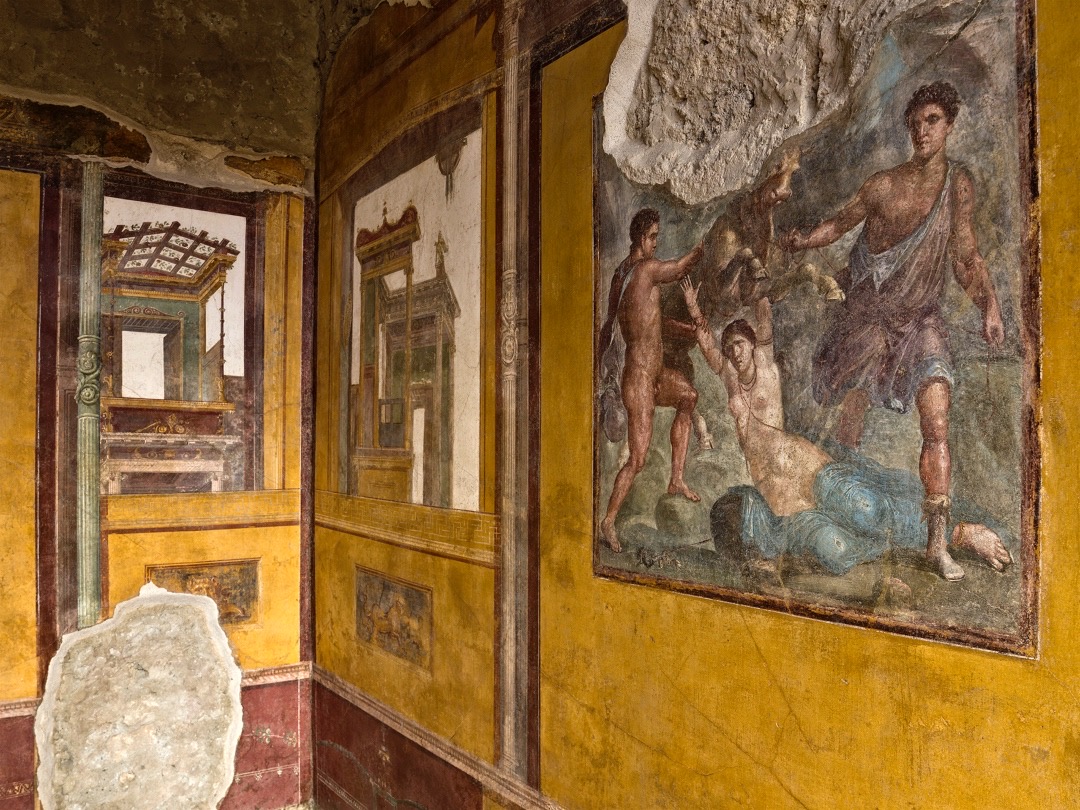
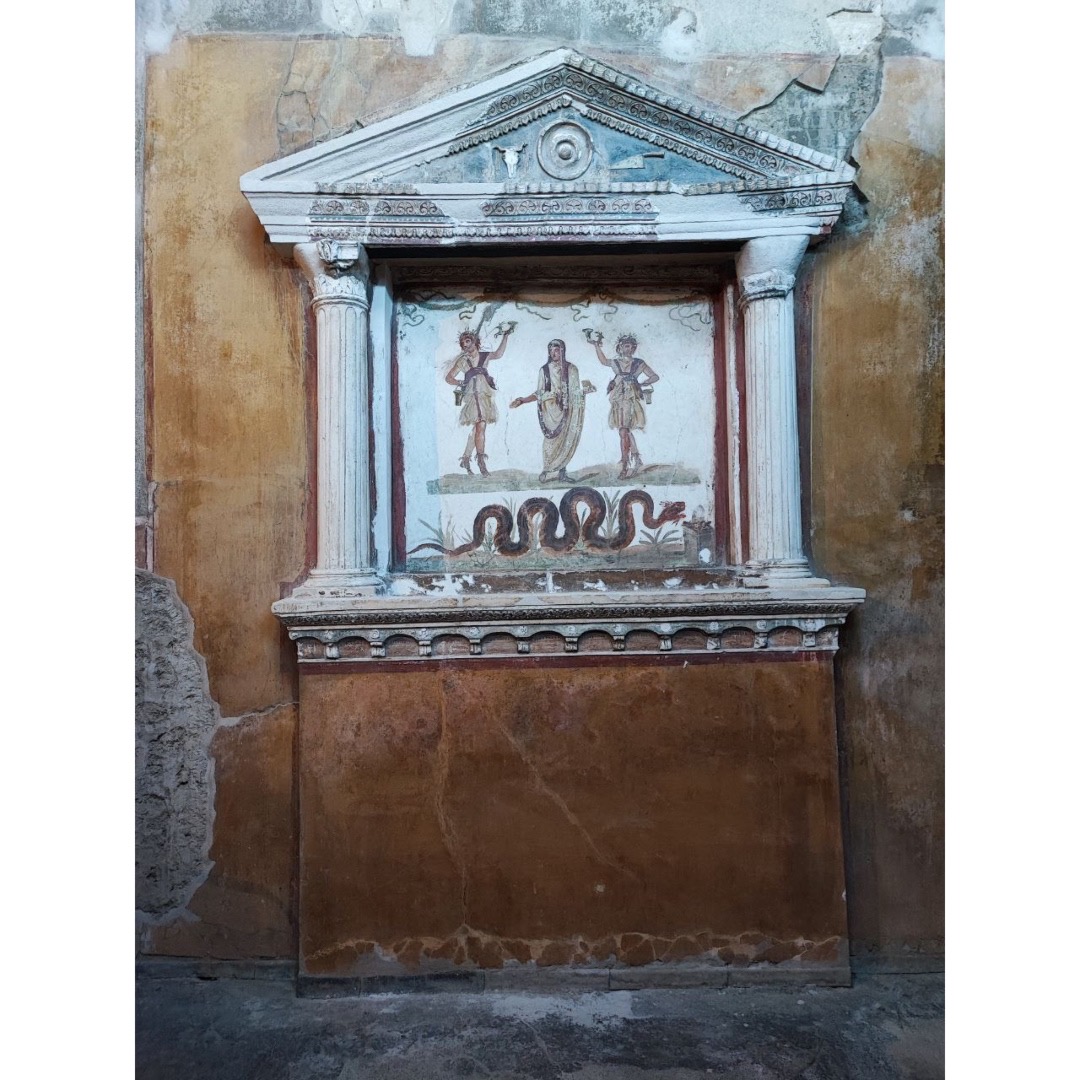
Other Greek and Roman deities, including Hercules, are portrayed in scenes on the walls of the house. The freed slaves used the architecture’s grandeur to validate their rise through the ranks as well as to prove to others they were “part of this elite,” historical site’s director Gabriel Zuchtriegel tells the Associated Press.
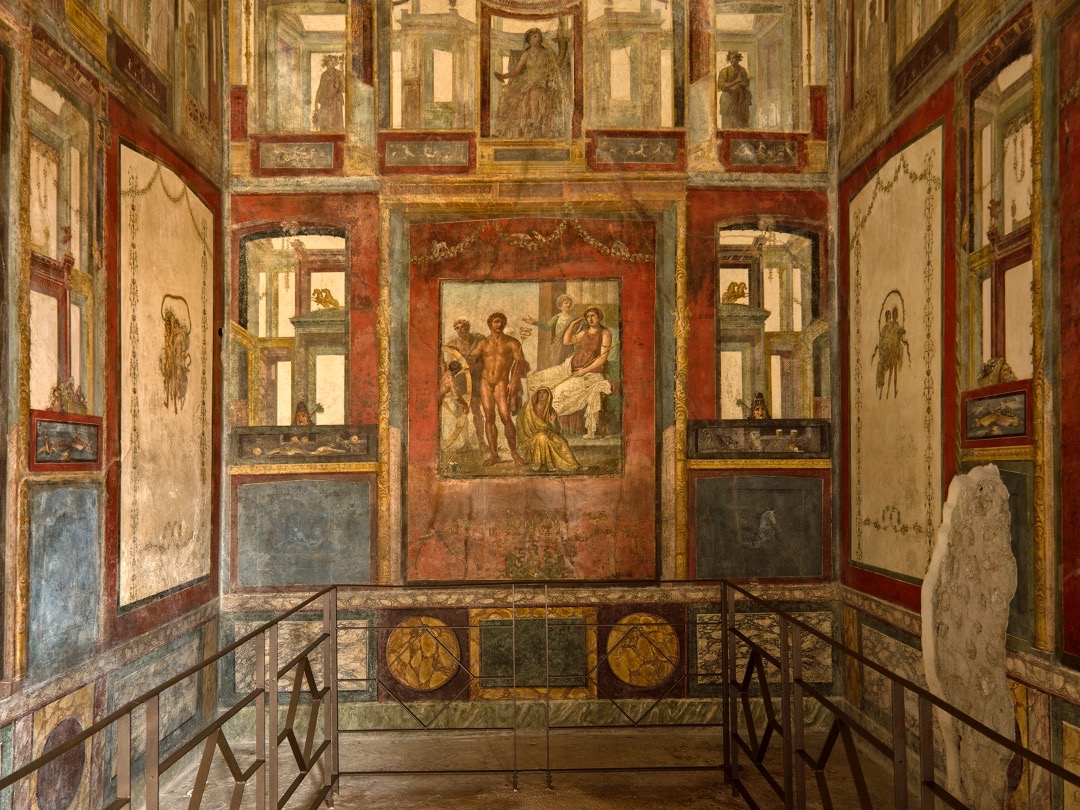
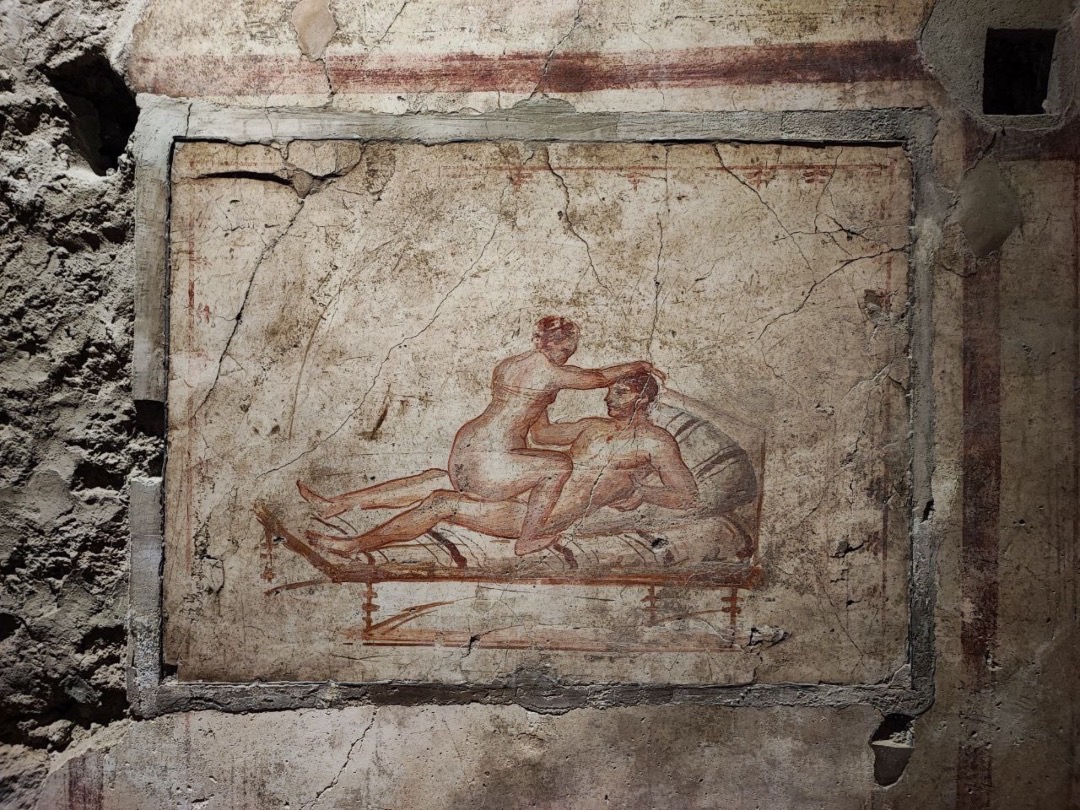
Despite purportedly having been slaves themselves, Aulus Vettius Conviva and Aulus Vettius Restitutus aided the proliferation of the human trade, as seen on quarters believed to have been for slaves, and a room suspected to have been used as a brothel. The latter, hidden behind an iron door, saw the words “Greek woman of pleasant manners” inscribed on its wall, along with the insinuation that she was paid two copper coins.
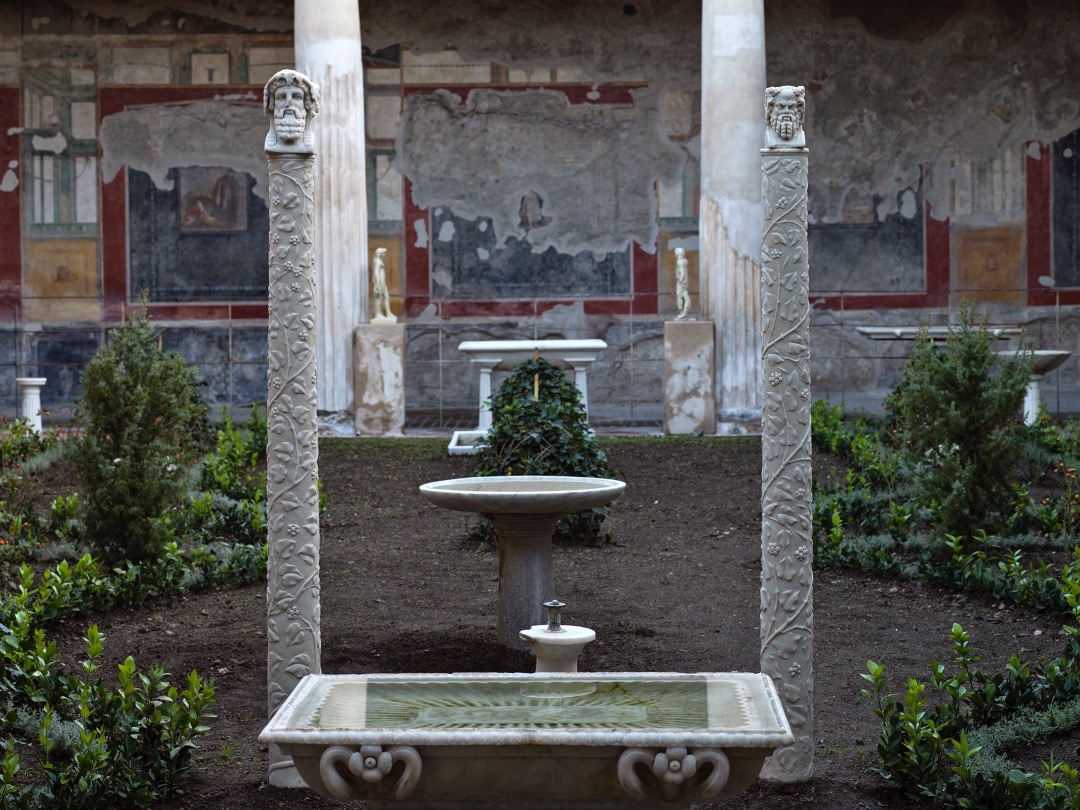
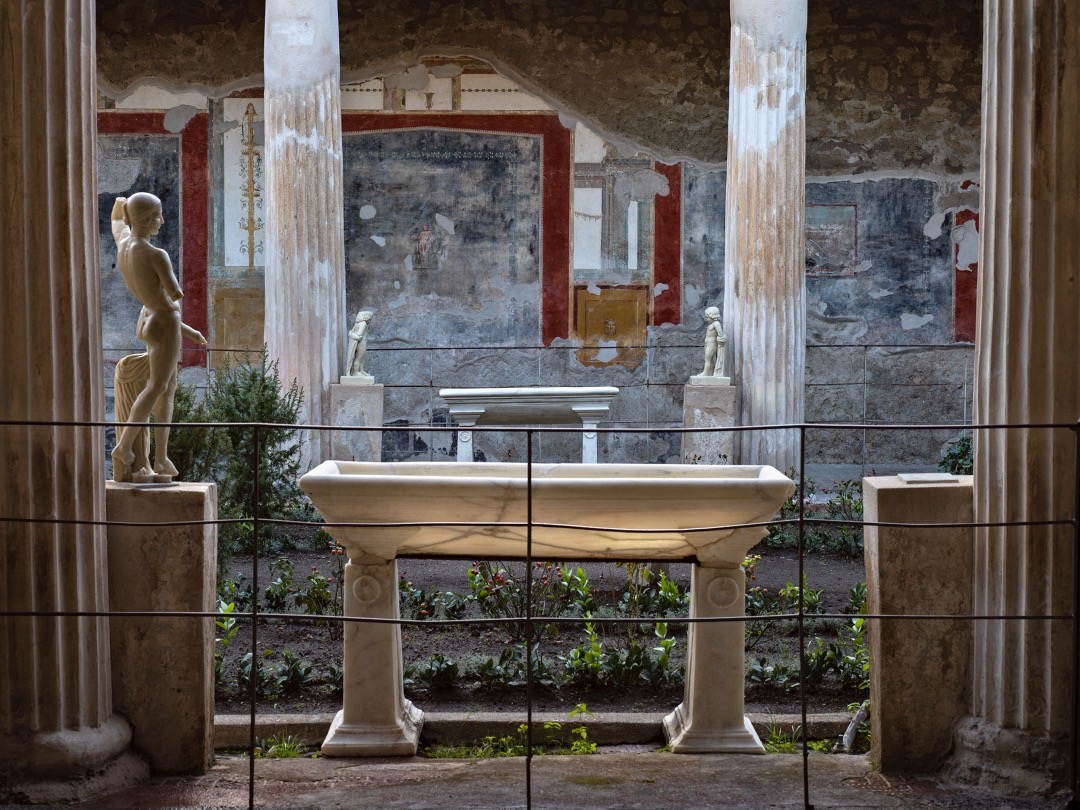
Elsewhere, conservators have additionally revived the space by planting ancient flora in its garden and repairing its water system.
“The owners, freedmen and therefore ex-slaves, are the expression of a social mobility that would have been unthinkable two centuries earlier. They become rich with the trade in agricultural products from the surrounding area in Pompeii,” notes Gabriel Zuchtriegel , Director of the Archaeological Park of Pompeii. “But apparently prostitution was also practiced in their house by a Greek slave, who belonged to the weakest groups in society.”
[via Hyperallergic and The Art Newspaper, images via Archaeological Park of Pompeii]


