
Heart Scars Recover To Original, Pre-Cardiac Arrest State With New Injection
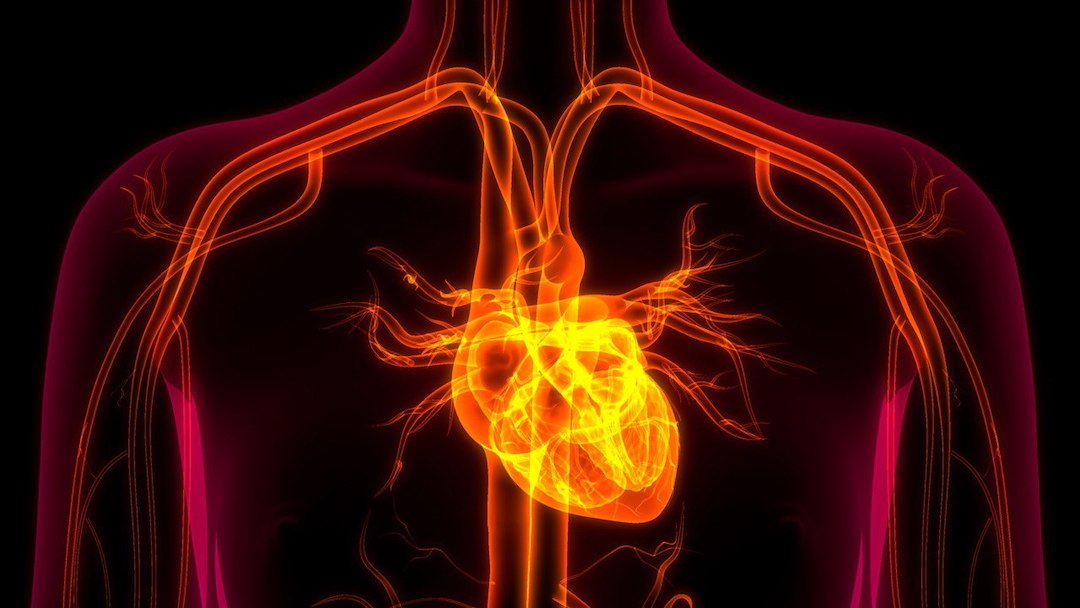
After a heart suffers a cardiac arrest, the muscle is forever left with scars that prevent it from pumping as much blood as it once did.
Unfortunately, scar tissue that forms on the muscle leaves it too stiff to expand and contract. This pushes the remaining areas of the organ to work extra hard, which incidentally can lead to even more complications such as heart failure and arrhythmia.
But all may not be lost for patients who have suffered heart attacks. The University of Sydney may have found a solution that could get hearts racing once more with just a single injection.
Under a new study led by Dr Robert Hume and published in Circulation Research, the team looked at a protein precursor called tropoelastin, which occurs naturally in the body. What it essentially does is produce elastin which is what makes tissue in the body elastic.
By introducing the component into the organ, the academics hope it would reverse the effects of the scar tissue and make it soft once again.
In the experiment, the tropoelastin was injected directly into the walls of four rats who had experienced cardiac arrest four days prior. The injection was guided into the right area via ultrasound.
Almost a month after it was introduced into the rats, the scars were found to have grown softer, smaller, and had increased in elasticity. The last factor showed signs of the muscle being as “stretchy” as before the cardiac arrest.
In a separate petri dish test, tropoelastin was found to cause human cardiac fibroblasts, cells that maintain the muscle’s structure.
Should this new method take off, it would provide doctors and patients with a non-invasive option to remedy a heart after sustaining damage.
[via New Atlas and Tech Explorist, Photo 195249026 © Magicmine | Dreamstime.com]


