
Wheeled Robot Uses Its Insect Antennae To ‘Smell’ Its Surroundings
The nose is a vital part of the body that connects people to the world in ways they might not even notice until they lose this sense.
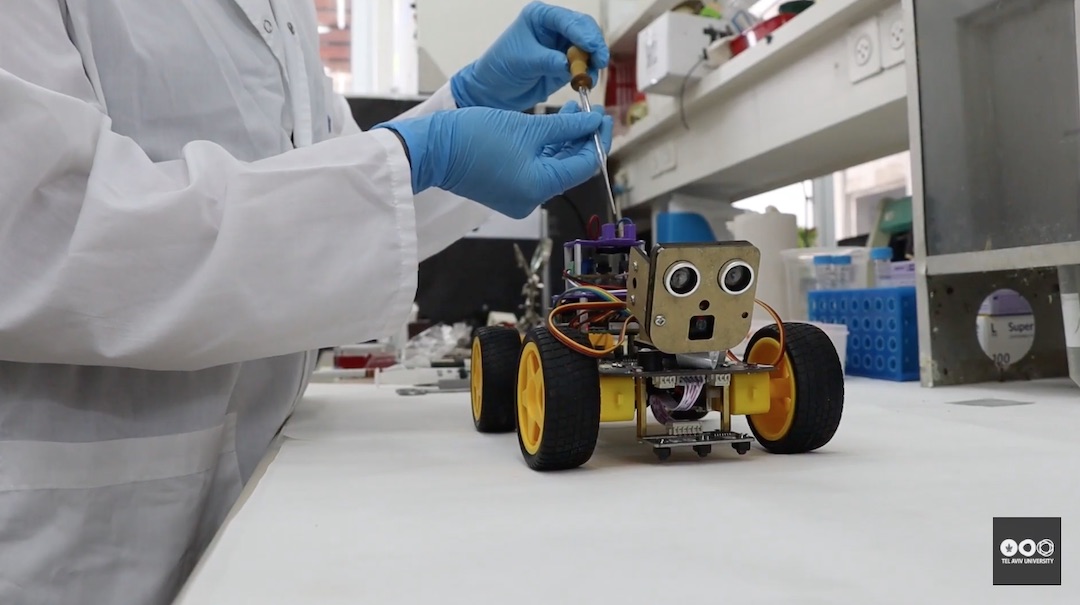
Technology has been able to replicate and mimic many of what humans do, except smell things. That is until now, when academics at the Tel Aviv University in Israel have equipped a wheeled robot with a ‘nose’.
The ‘nose’ in question comes from the antennae of desert locusts, which is hooked up to an electrical system to measure the number of signals the antennae produces when it detects an odor. This is pretty much the same system as when humans use their noses.
According to the research, the receptors in the body can identify different cues which are translated into electric signals. This is then sent to the brain to be decoded into data. In the case of insects and animals, some can pick out these signals far better than any human can.
“In the animal world, insects receive and process sensory signals. A mosquito, for example, can detect a 0.01 percent difference in the level of carbon dioxide in the air. Today, we are far from producing sensors whose capabilities come close to those of insects,” explain Dr Ben Moaz and Professor Amir Ayali.
This is why some dogs can also sniff out drugs in an airport or tell when a storm is approaching.
In the experiment, the biological sensor linked to the robot could smell different odors at the insect’s primary sensory organ level. At the same time, the researchers measured the electrical activity that each produced.
The results found eight “pure” scents were identified, including lemon, marzipan, and geranium. It was also found that the insect’s organ was 10,000 times more sensitive to smells than some devices used today.
The next step was to feed the scent indexes into a machine-learning database to create a library of smells.
Of course, all of this is working towards the robot one day being able to sense diseases, drugs, and explosives.
[via Engadget and Neuroscience News, cover image via Tel Aviv University]


