
World’s Largest Electric Ferry Can Carry Over 2,000 People Across The Ocean
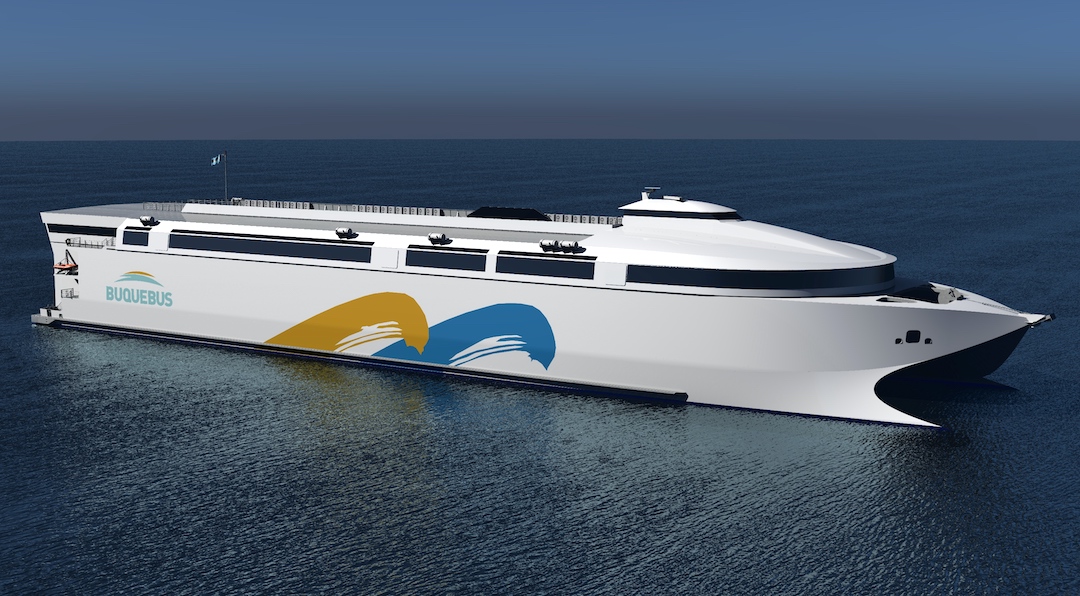
You may have heard of Jeff Bezos’ US$500 million megayacht, but not all ventures across the ocean have to come at the expense of the environment. In just two years, the world’s largest electric ferry could make an appearance on the waters.
Developed by Australia-based Incat Tasmania and recently announced, the 485.5-foot vessel can carry 2,100 passengers and over 200 vehicles at up to 25 knots for a maximum of 100 nautical miles.
The ferry had originally been intended to run on liquified natural gas (LNG) but has since been reimagined as a battery-electric model in order for it to become the biggest zero-emissions ferry operating on any route in the world.
“Zero emissions shipping is the future and Incat based in Tasmania, one of the few places on the planet which has already delivered net zero, is now poised to revolutionize the world’s shipping fleet,” remarks Incat Group Chairman Robert Clifford.
Switching typical engines out for electric propulsion will require the vessel to undergo a significant redesign, though the company said it plans to replace the 500 tons of equipment and fuel tanks with an estimated 400 tonnes of batteries, so it keeps its low weight.
Aluminum could also be used to replace steel in order to keep its mass low. More importantly, Incat believes electric ferries will not be more costly to produce than traditional ships, which could aid in its rate of adoption on the high seas.
As Electrek pointed out, shipping is responsible for 3% of carbon dioxide emissions globally each year. Electric vessels could play a big part in bringing about change, especially as the International Maritime Organization aims to reduce overall emissions by 40% come 2030.
[via Electrek and Incat Tasmania, cover image via Incat Tasmania]


