
Japanese City Turns To Snow As A New Viable Source Of Clean Energy
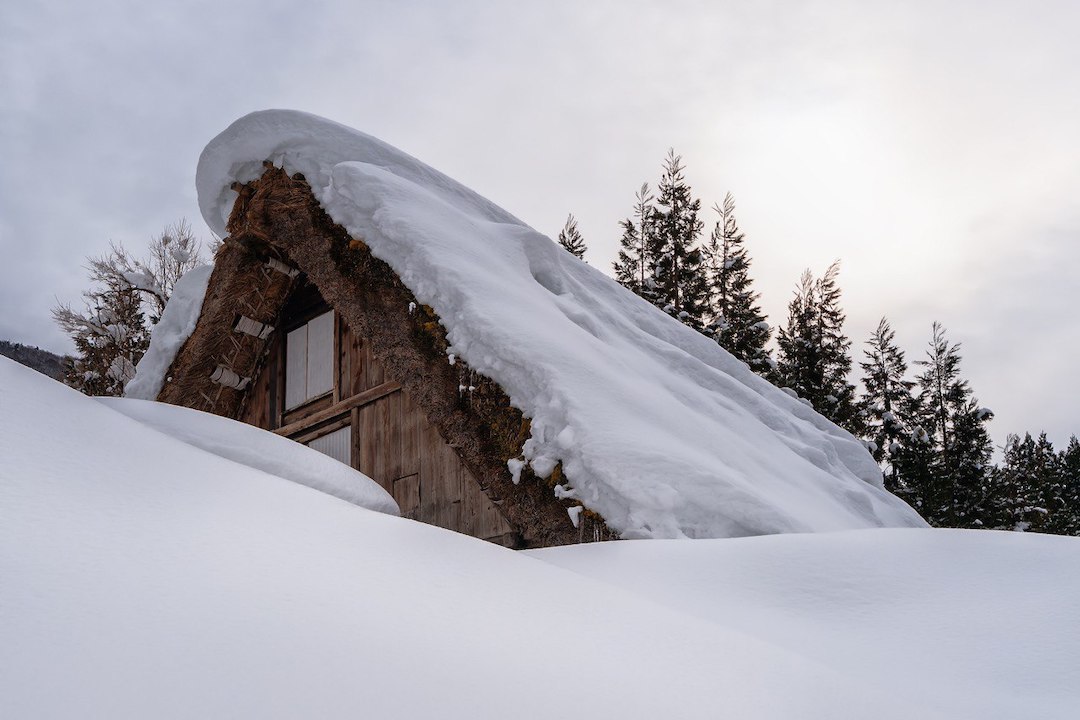
The coastal prefecture of Aomori rests at the tip of Japan’s main island. It’s most well-known for its apples and for receiving some of the highest snowfall in the country. Some regard the area as the snowiest place on Earth, as it welcomes 312 inches of snowfall each year.
That immense buildup has led the government to spend JP¥5.9 billion (US$46 million) to remove the snow from houses, buildings, and roads. And where does it all go, you ask? It gets dumped into the sea. That might sound like an alright solution, but in doing so, it takes up incredible amounts of resources and money.
A team down at the Aomori-based IT startup Forte and the University of Electro-Communications (UEC) in Tokyo is now wondering if there is a better purpose for the snow instead of dumping it into the Sea of Japan.
In their proposal, as reported in the Japan Times, the researchers have suggested that all the collected snow mixed with air from the outdoors can be used to generate clean energy.
Icy blizzards are a great supply of cold air, and the atmosphere outdoors provides hot air as it has been heated by the sun. So the team proposes using heat tubes to push the gas toward the turbines. The temperature difference causes a convection current in the turbine’s coolant, which will get it to start turning.
This depends on the temperature difference between the snow and the air. The bigger the difference, the more efficient the system will work. Ultimately, this method could be a more reliable and cost-effective source than solar energy.
One setback is that snow can only power up smaller devices, not larger turbines. Another shortcoming is that extensive storing facilities will have to be set up. And it might also prove tricky to maintain a steady flow of hot air in a cold climate.
A full test will be carried out in March. If all goes well, the team suggests that this system could be implemented in other icy regions across Europe.
[via Interesting Engineering and The Japan Times, Photo 85998498 © Kojihirano | Dreamstime.com]


