
Over 3 Billion Stars Have Been Captured In One Single Image Of The Universe
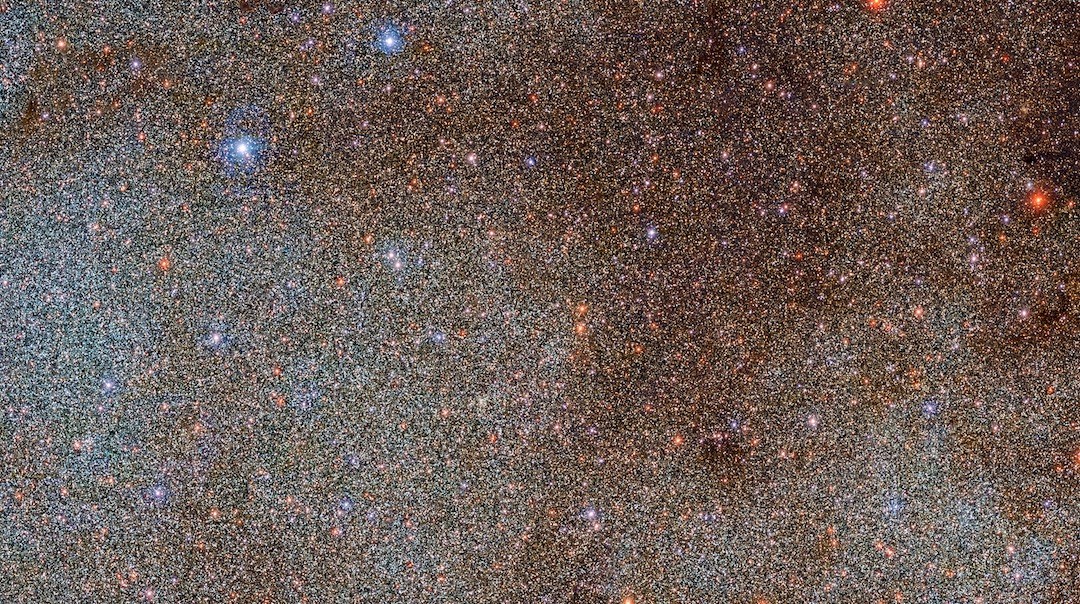
If you look up towards the night sky at any given time, there is only a drop in the ocean’s worth of stars that the human eye can see. Yet, beyond our skies rests a universe filled with ancient and new stars emerging through the cosmos. It’s just a shame that we might never be able to see that many stars, until now, that is.
A new image of the Milky Way has just emerged, which has crammed 3.32 billion celestial objects into one single take.
Below is a snapshot of the image.
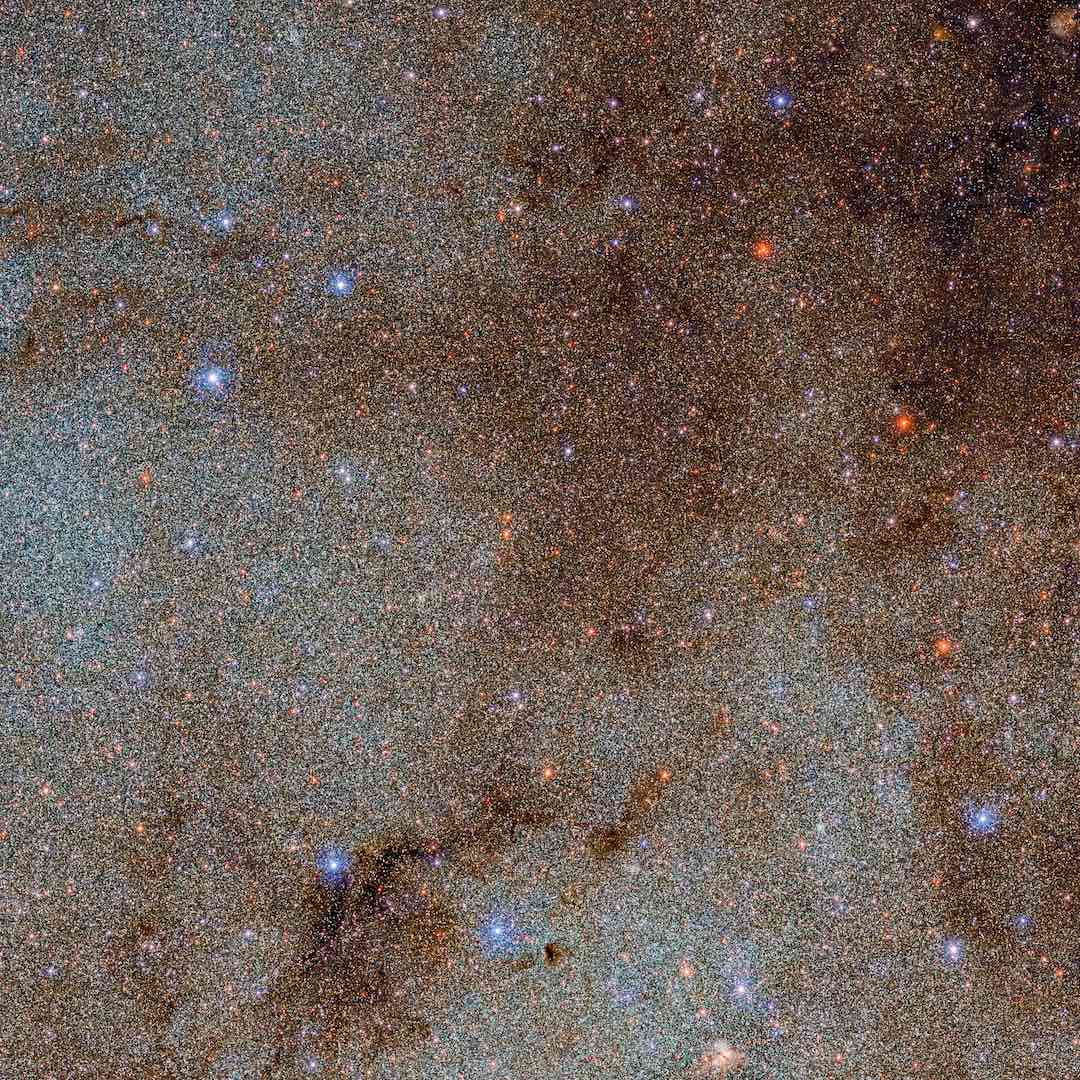
The photo was taken on a dark energy camera from a telescope at the Cerro Tololo Inter-American Observatory (CTIO) in Chile, which has been tracking the night sky for such an image over the last two years. The National Science Foundation’s NOIRLab then released the photo.
The picture builds upon a previous survey done in 2017 that was able to cram 2 billion objects into a single photo. This updated shot, and what may be the most extensive survey of our night sky, contains 6.5% of our known universe.
When you think about it, it sounds like a tiny number, yet it holds over three billion stars. It just makes one wonder what the capacity of our entire universe is and if it’s even something we will ever be able to wrap our heads around.

Photographed above is the full panoramic shot of all the celestial objects. The incredible detail displayed within the picture has allowed researchers to identify what was once mistaken for stars as actually small distant galaxies.
Take a look at an interactive view of the image here.
[via PBS and Center for Astrophysics, Harvard & Smithsonian, images via DECaPS2/DOE/FNAL/DECam/CTIO/NOIRLab/NSF/AURA Image processing: M. Zamani & D. de Martin (NSF’s NOIRLab)]


