
VR Brings ‘Sensory Room’ Experience To Adults With Disabilities To Ease Anxiety
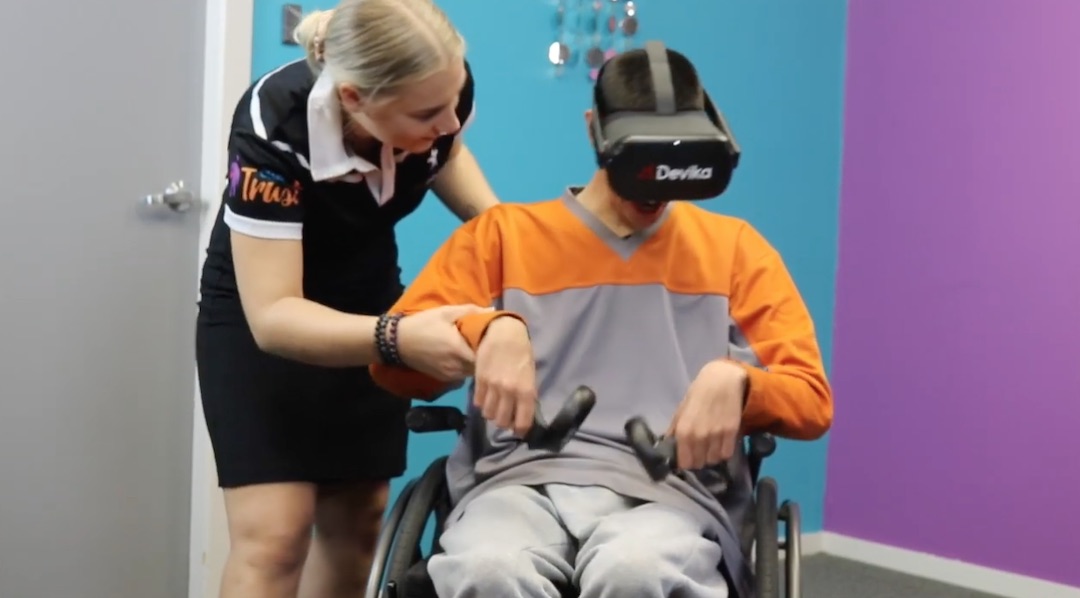
In what was being claimed as a first-of-its-kind study, researchers at Western Sydney University have potentially uncovered a new form of therapy for adults with disabilities suffering from anxiety and depression: virtual reality (VR) sensory rooms.
Previously, one therapy method for those who had neurodevelopmental disabilities—such as autism and intellectual disability—was physical sensory rooms, which provided visual, auditory, and tactile ways for them to rehabilitate. As pointed out by the scientists, the only problem with this was that these rooms needed floor space and often came with logistical issues.
In addition, with fixed locations, inaccessibility is a common hurdle for many who do not have the abilities or resources to get around freely. However, with innovative VR technology, the rooms can come to the patients instead.
The study has led the university to pair up with tech company Devika where both teams trialed the system on 31 adults. Thanks to the advancements in virtual-reality technology, the Evenness Sensory Space VR system also provided interactive sight, sound, and touch experiences.
“Quantitative findings indicated improvements in anxiety and depression from pre to post, with changes in sensory processing, but no significant changes in adaptive behavior or personal wellbeing,” stated the researchers in a study published in Scientific Reports. “Participants perceived there was a positive impact on anxiety as well as enhanced social participation.”
[via Inavate and Western Sydney University, screenshot via Devika]


