
‘Bored Ape’ Parent Admits It Doesn’t Have Copyright Registration For 10K Tokens
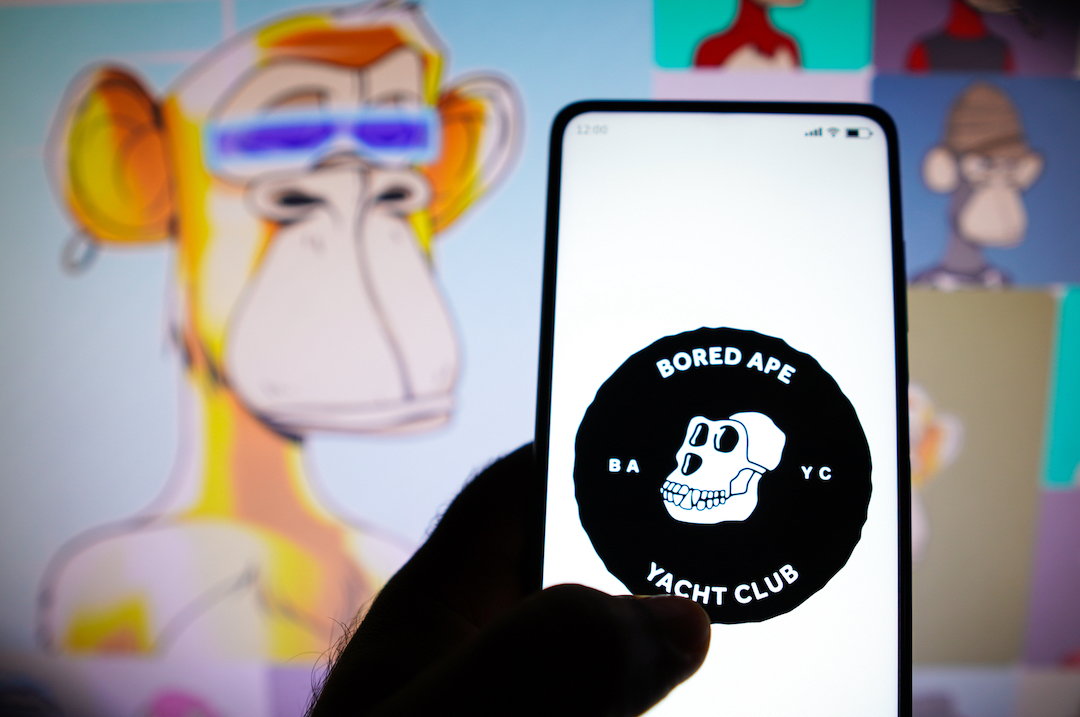
The hype seems to have died down around non-fungible tokens, including the most popular collection of all—Bored Ape Yacht Club, with its parent firm Yuga Labs recently in court to take on an artist who used images from the collection for his own work.
However, the standout from the trial so far has little to do with the proceedings. Rather, the spotlight is now on court filings that claim the company does not have “copyright registrations” for the 10,000 digital tokens that make up its collection.
“Counts 2 and 3 ask the Court to declare that Yuga Labs does not possess a copyright in the Bored Ape images. Registration of a copyright is not required to own one; it is required to file suit on one,” reads the document.
“The Court should not wade into whether Yuga Labs has a copyright in its Bored Ape images, because such an opinion would be merely advisory; Yuga Labs does not have a registered copyright, and there is therefore no imminent threat of a lawsuit of copyright infringement,” it continues.
If true, these statements could be damning, as Bored Ape had differentiated itself from other collections by promising buyers that by purchasing a token, they would also own the virtual image’s copyright—so one could make merchandise or use the picture as they saw fit.
The company doesn’t seem to be backing down from the lawsuit, saying that its “lack of federal copyright registration” does not mean it did not own copyright over its assets, but rather, was automatically granted protection.
Of course, it’s easy to see why it would be problematic for Yuga Labs if the court decides it does not own the copyrights to its NFTs, as this was one of the key features advertised to consumers when the tokens were on sale. Holders could eventually allege false advertising or unfair competition.
Will the value of all the Bored Apes out there be greatly affected if loopholes are found in the company’s copyright claims? Only time will tell.
[via ARTnews and CourtListener, cover image via Rafael Henrique | Dreamstime.com]


