
1,000-Year-Old Moat With Mysterious Handprint Surfaces Under Jerusalem Street
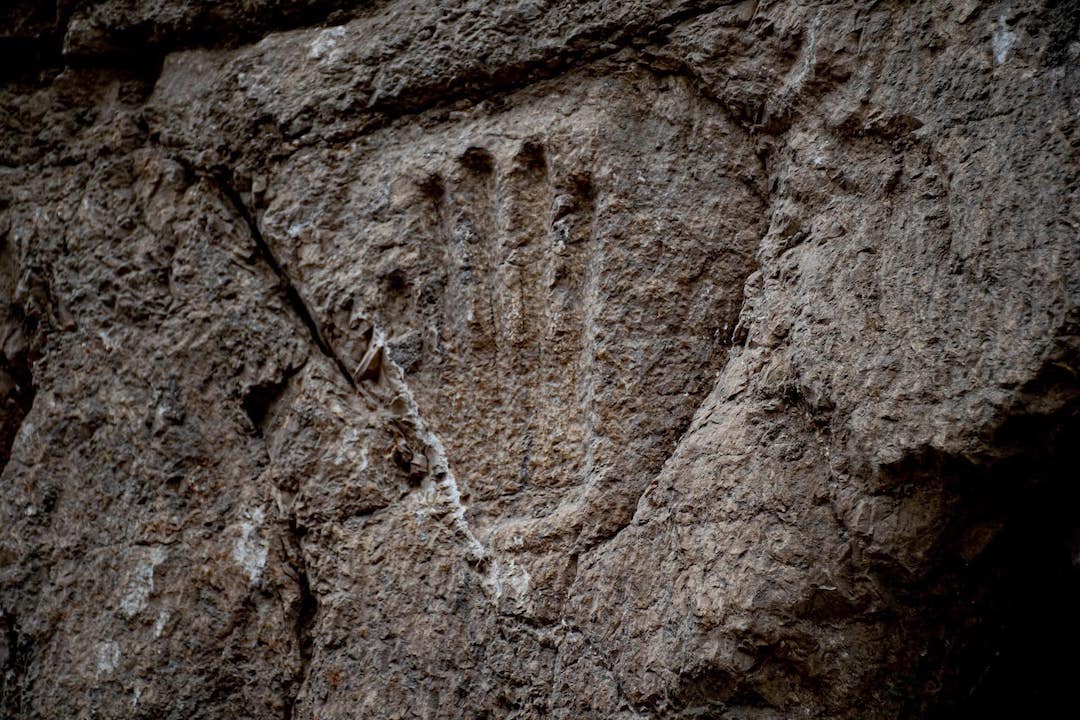
Archaeologists in the Old City of Jerusalem have uncovered an intriguing hand imprint, carved into a wall of a hidden moat that has just resurfaced. The researchers stumbled upon the find doing survey work ahead of an infrastructure project at a busy thoroughfare.
To their surprise, they found a moat located just beneath the road, which experts posit was most likely dug by Muslim defenders all the way back in the 10th century to help strengthen the city’s defense.
According to a statement from the Israel Antiquities Authority (IAA), no one knew the street was covering a huge moat, which is described as “rock-hewn” and measuring at least 33 feet wide and between seven feet and 23 feet deep.
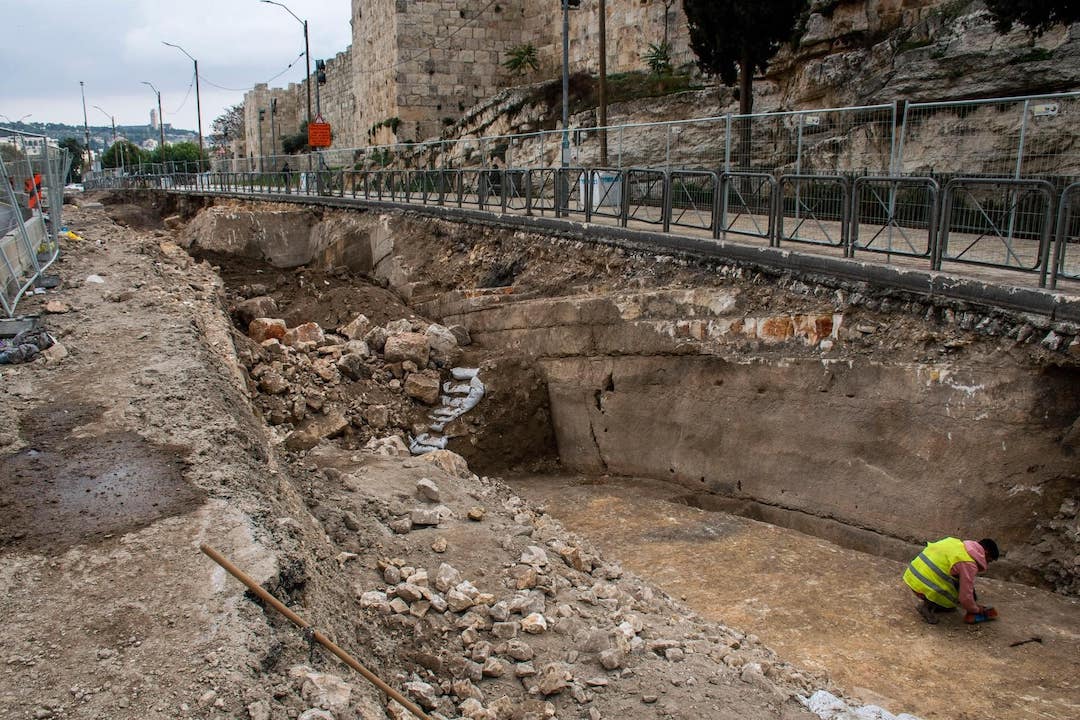
“The moat surrounding the entire Old City dates back about 1,000 years to the 10th century CE or earlier. Its function was to prevent the enemy besieging Jerusalem from approaching walls and breaking into the city,” explains Excavation Director Zubair Adawi.
During that time period, invaders looking to take over the city would have had to cross the gaping moat before scaling two thick fortification walls, where they would be met with fire and sulfur raining down.

Now, one question remains: who exactly does that secret handprint found on the wall belong to? Or what does it mean? At the moment, no one knows, which possibly adds to the mystique behind the rediscovered moat.
“Does it symbolize something? Does it point to a specific nearby element? Or is it just a local prank? Time may tell,” the researchers muse.
Perhaps, the sign may point to one of the secret tunnels within the fortifications—some of which have been unearthed by archaeologists in the past—whereby soldiers could enter the moat and target the incoming enemies by surprise.
[via Live Science and Israel Antiquities Authority, images via Yoli Schwartz, Israel Antiquities Authority (featured with permission)]


