
Milk’s Flavor Is Apparently Influenced By Packaging, Can Sometimes Taste ‘Off’
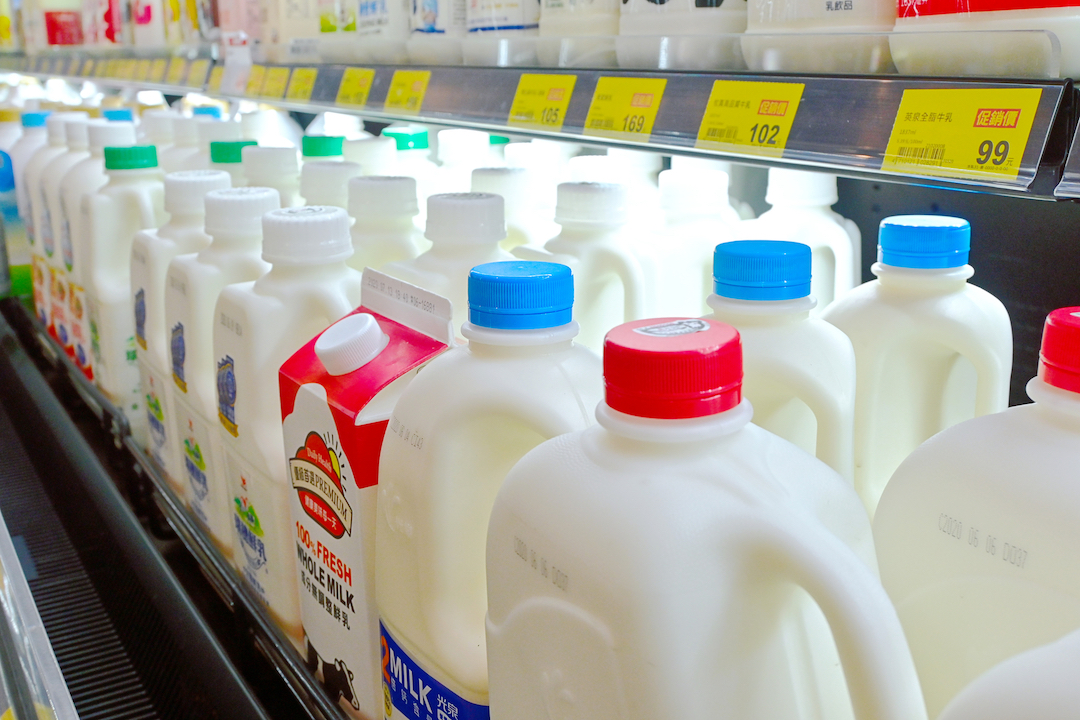
When putting cartons upon cartons of milk on grocery shelves, most companies in the dairy industry have one aim in mind: preserving the quality and safety of dairy products in order to offer consumers the freshest taste possible.
As such, in the decades past, many have chosen to go with light-blocking containers to prevent the milk from spoiling when exposed to sunlight. Not much has been done to fully investigate how packaging changes its taste.
Recently, a new study in the Journal of Dairy Science, published in Elsevier, did just that—confirming a long-held suspicion that different packaging can affect the taste of milk, and could influence your choice of paper cartons, glass, or plastic.
Compared to other drinks, milk is more susceptible to “packaging-related off-flavors” due to its mild taste. Lead investigator MaryAnne Drake explained that the taste of the beverage can be altered by compounds in the packaging.
These compounds can seep into the milk, and cause a change in taste if the container absorbs food flavors and aromas from the surrounding refrigeration environment.
To test the theory, scientists looked at pasteurized whole and skim milk stored in six different types of containers: paperboard cartons, plastic jugs (made from three types of plastics), plastic bags, and glass—which was used as the control.
Throughout the experiment, the milk was stored in complete darkness and kept at 39°F, with the researchers testing samples on the first, fifth, 10th, and 15th days. A blind consumer taste test was conducted on day 10 as well.
It turns out that packaging does affect the flavor of milk, with skim milk being more at risk of absorbing external compounds than whole milk. Paperboard cartons and plastic bags were the least effective in preserving freshness.
In particular, milk stored in paperboard cartons was found to absorb compounds from the paperboard, leading to a distinct off-flavor in the tests. While glass was ruled the “ideal container,” plastic was a close second in maintaining freshness.
As paperboard cartons are the most common form of packaging for milk in school meal programs across the country, scientists felt changes should be made so young children can consume and enjoy milk better.
“These findings suggest that industry and policymakers might want to consider seeking new package alternatives for milk served during school meals,” said Drake, citing that the off-flavors could affect how kids perceive milk while growing up.
[via Food Processing and Elsevier, cover image via Catmanc | Dreamstime.com]


