
Ultra-Thin Coating For Solar Panels Makes Them Self-Cleaning, Low On Maintenance
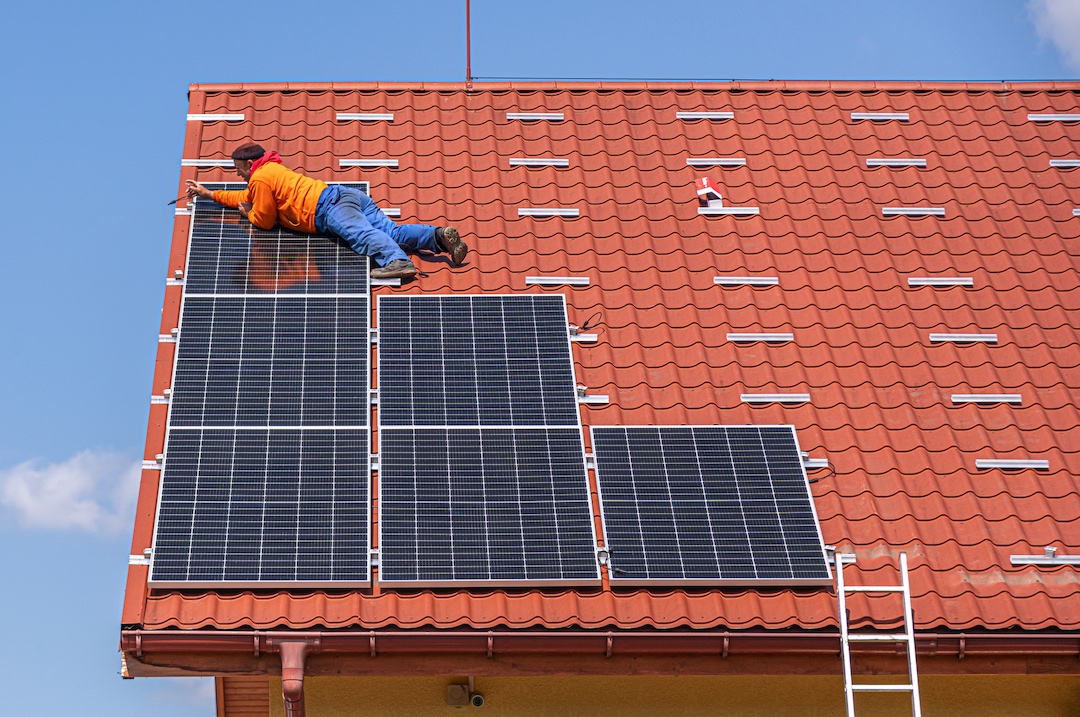
Renewable sources of energy have become the norm in our daily lives, with solar energy leading the charge as one of the fastest-growing forms of emissions-free technologies that can power up homes, businesses, and cities.
However, many solar panels—which are often located outdoors to gain maximum exposure to sunlight—often get dirty, with layers of dust accumulating on panels or mirrors, which in turn affects the efficiency of the devices.
In addition, as Inceptive Mind notes, hiring cleaners to dust them off is both time-consuming and expensive. Not to mention, this uses gallons of water, which would defeat the purpose of turning to renewable sources of energy.
As such, researchers at Germany’s Fraunhofer Institute for Organic Electronics, Electron Beam, and Plasma Technology FEP have come up with an ultra-thin coating that can be applied on solar panels to make them self-cleaning.
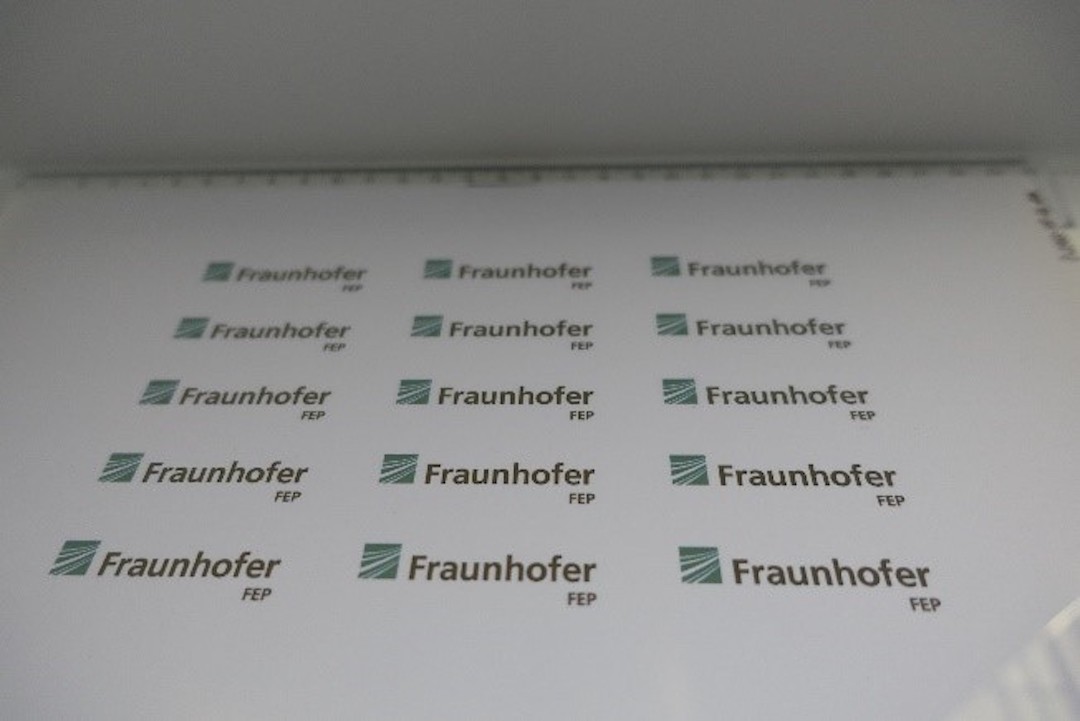
The dirt-repellent substance, known as crystalline titanium oxide, is first put on the glass using a roll-to-roll process, allowing the solar panels to turn into super-hydrophilic surfaces from hydrophobic when exposed to ultraviolet (UV) light.
Simply put, this means the surface of the solar panels repels water when it’s not exposed to UV radiation, and then changes into one that is highly water-attracting after being radiated for approximately 30 minutes.
In the daytime, the panels remain clear and dry, but at night, dust, sand, or debris deposited on the glass gets washed off by the hydrophobic surface via naturally occurring “beading raindrops.”
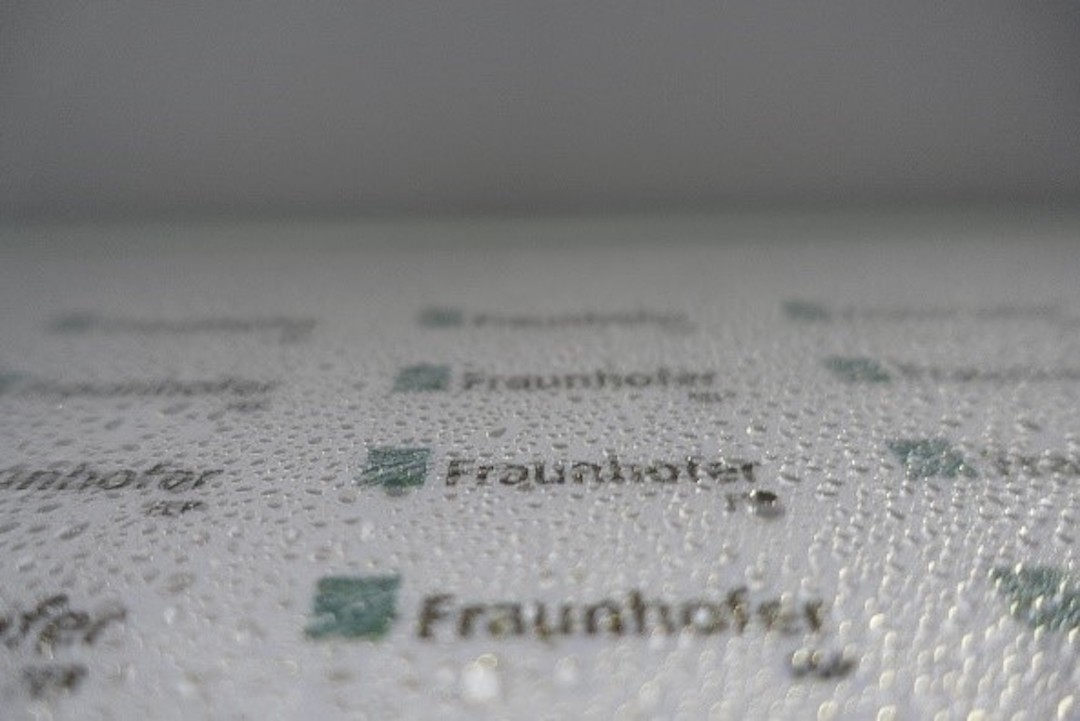
Due to the day-to-night alternation of the material’s hydrophobic and hydrophilic properties, dirt and dust do not adhere to the surface of the panels during the day, making the absorption of sunlight as efficient as possible.
Additionally, when exposed to UV light, organic molecules on the surface of the titanium oxide decompose via photocatalysis, producing a completely sterile and antibacterial surface that’s clean.
Going forward, the team is working on turning the invention into one that can be manufactured in an optimal and cost-effective way so it can be applied to solar panels across the wider industry.
Plus, the scientists are looking into a possible polymer film version of the substance, and layer systems that can be activated just by regular light instead of requiring UV light.
[via Inceptive Mind and Fraunhofer FEP, images via Fraunhofer FEP]


