
Court Rules Tate Modern Viewing Gallery Is A ‘Nuisance’ To Neighboring Apartment
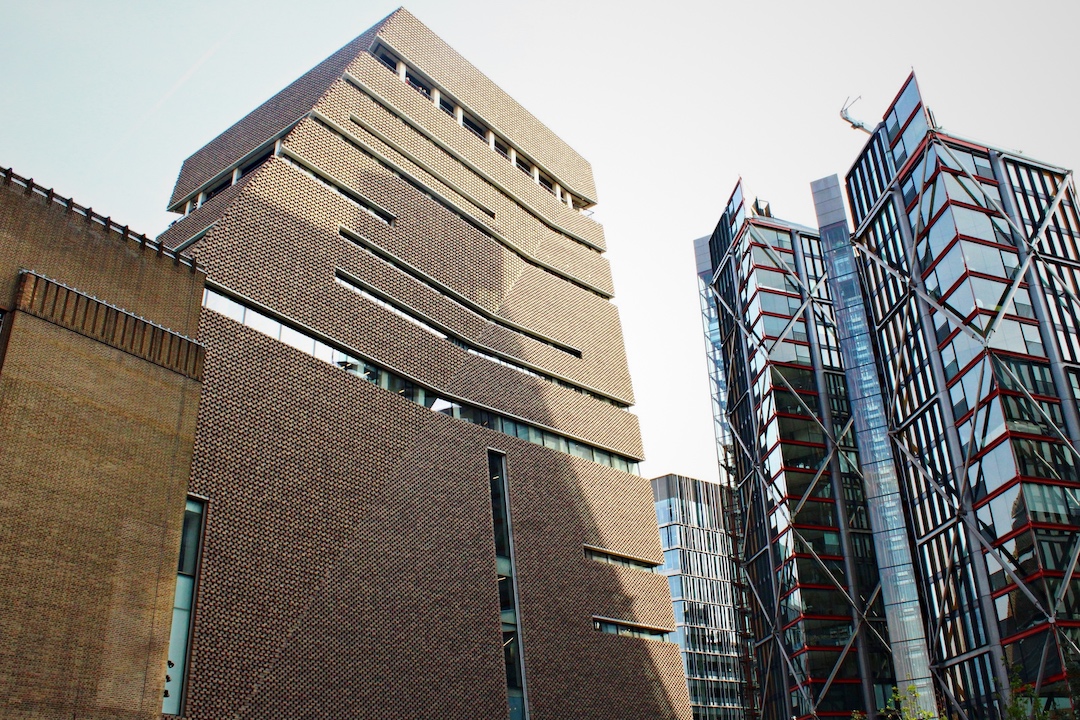
After a long-drawn-out, six-year legal battle, the UK Supreme Court has finally ruled that the Tate Modern’s extended viewing gallery situated right next to a block of neighboring residential apartments “is a straightforward case of nuisance.”
Out of the five judges presiding over the case, three ruled in a majority that the museum was liable for causing a nuisance to the residents living in Neo Bankside, luxury apartments adjacent to the Blavatnik Building, going against previous rulings by the High Court and Court of Appeal.
At the moment, the court has yet to rule on a remedy for the situation, with the case being sent back to the High Court to reconsider how the two developments should deal with the matter at hand.
According to Artnet News, the case first began in 2017 after the expanded Blavatnik Building opened its doors to the public half a year prior. Owners of four apartments at Neo Bankside—which was completed in 2012—filed for an injunction to stop visitors from looking into their flats.
Neo Bankside flats from the Tate Modern viewing gallery, March 2017, illustrating the proximity described in the judgments pic.twitter.com/dVqsDL6pq3
— Barbara Rich (@BarbaraRich_law) February 1, 2023
An estimated 500,000 to 600,000 visitors make a trip to the museum each year, with the viewing platform, which offers panoramic views of the London skyline, remaining one of the main attractions since the gallery’s expansion.
Residents told the courts they experienced “near constant surveillance,” though the Court of Appeal had initially been unsympathetic, telling owners to install curtains, blinds, or privacy films to prevent museum-goers from peeping into their homes.
The case was then brought to the Supreme Court in December 2021, where it was recently ruled in favor of the homeowners. Lord Leggatt, who noted that images of the residents’ interiors had been uploaded onto social media, agreed that such living circumstances were “oppressive.”
Likening it to “being on display in a zoo,” the court said that the signs put up by the Tate asking visitors to respect the residents’ privacy and having security guards stop pictures from being taken weren’t particularly helpful, especially with smartphone cameras at the ready.
Going forward, the High Court will take over to order the Tate to recognize an injunction or other forms of compensation. The museum has yet to comment on the lawsuit, which could be one to set a precedent in the books for years to come.
[via Artnet News and The Art Newspaper, cover image via Hilsdon25 | Dreamstime.com]


