
2032 Olympics To Present First Flying Racecar, ‘Front-Row’ Tech For Home Viewers
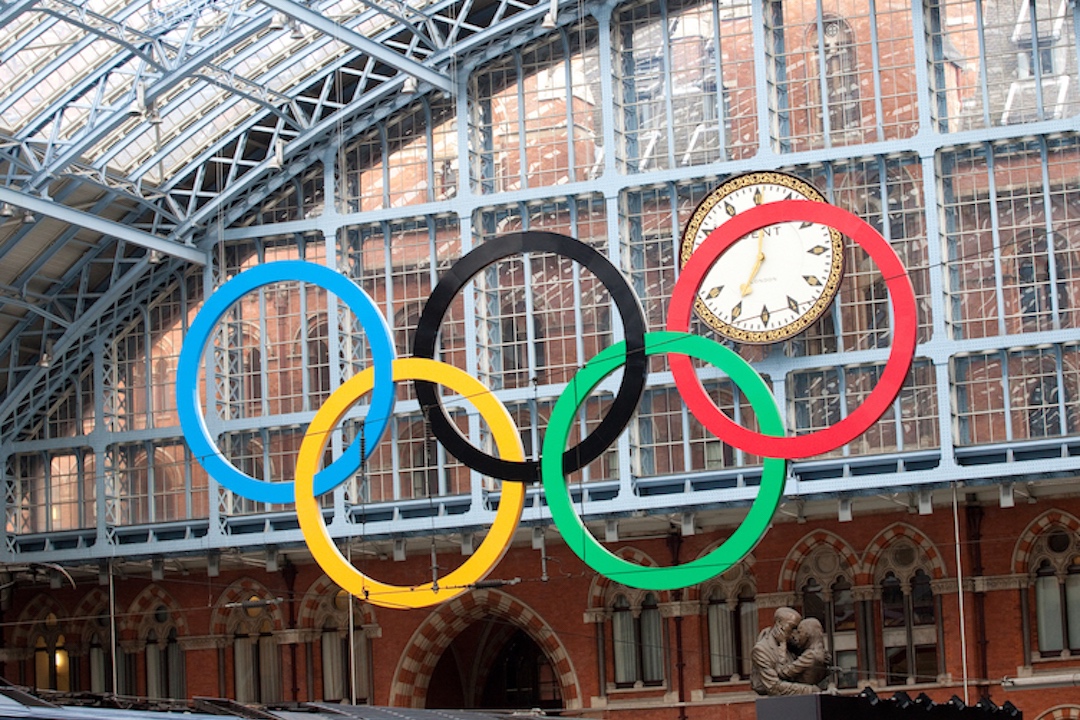
As fans eagerly await the 2024 Summer Olympics to begin in France, one future host nation has already begun preparing for the 2032 competition, despite it being nine years away.
Reports have shed light on what’s been going on behind the scenes, such as the new, innovative technologies that are likely to feature in Brisbane, Australia—including the world’s first flying race car.
Airspeeder, an Adelaide-based firm, is already testing out its electric vertical take-off and landing (eVTOL) system in the South Australian desert. The dream goal would be to have its flying car races used as a demonstration sport at the Games.
How's that for an overtake! #EXASeries
— Airspeeder (@AirspeederHQ) January 3, 2023
Full highlights from Race 1 on YouTube. pic.twitter.com/LVkwc9aDT4
Head of Media Stephen Sidlo likened “pod racing in the sky” to starring in a blockbuster Star Wars movie, explaining that, unlike an airplane or drone, the company is creating “a whole new transportation system.”
Apart from battles in the sky, flying vehicle technology could feature in other capacities at the 2032 Summer Games. According to ABC, drone deliveries and air taxis could be used to transport people and goods to various grounds.
Time to fly. | @iwc #IWCWatches pic.twitter.com/3eGUfqz1Ca
— Airspeeder (@AirspeederHQ) February 5, 2023
Futuristic technology could play a part within the stadiums themselves. As per John Persico from the Australian Sports Technologies Network, venues will become “smarter” by possibly tracking the emotion of the crowd.
This could allow organizers to detect levels of “enthusiasm” among spectators, or even identify potential signs of “trouble” just from individuals’ faces so the police can be alerted and deployed to control the situation quickly.
Those watching from the comfort of their homes won’t be left out either, as Persico said virtual reality could enable viewers to experience the same atmosphere as a match-going fan within the stadium.
Bruce Dell, founder of Axiom Holographics, posited that this could be taken a step further—and that holograms may be used to enhance the experience of the 2032 Olympics so users can “take part” alongside the athletes.
Axiom Holographics has already succeeded in recreating previous Olympics medals into holograms, and is now working on making holographic versions of the sportspeople, allowing them to “answer” fans questions in person.
It could be “genuinely possible” that by 2032, over a billion people could take part in the 100 meter sprint at the same time through this holographic experience, with the Olympics “gamified” so viewers can be part of the Games.
With the 2032 Olympics Games nearly a decade away, who can predict what other incredible innovations will transform the global sporting competition into one that’s immersive and engaging for viewers across the world?
Not to mention, “smart” and “green” infrastructure projects are being accelerated in the region in preparation for the throngs of visitors that will descend upon Queensland, so there’s sure to be lots in store.
[via ABC and Fast Company, cover image via Ints Vikmanis | Dreamstime.com]


