
The Mysterious Parisian Girl Who Became The ‘Most-Kissed’ Lips In History
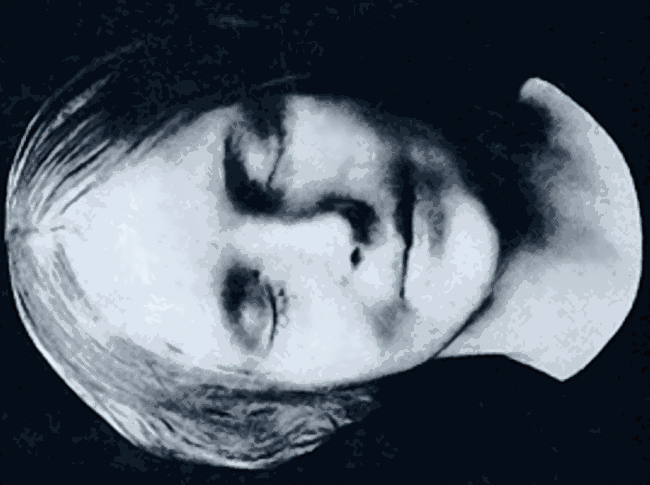
The kiss of life—the miracle that might have saved her. Alas, it was never an option for her time. Instead, she became the lips that saved others.
In the late 19th century, the lifeless body of a girl was recovered from the River Seine. Her identity remains a big question mark. Until someone recognizes her, she’ll forevermore be known as L’Inconnue de la Seine (The Unknown Woman of the Seine).
Even the story of how she was found is shrouded in mystery. As ScienceAlert shares, though, the most popular tale describes that the girl’s corpse was brought to the Parisian morgue, where it was displayed with other unknown bodies in hopes visitors would identify them. Yes, visitors—corpse-viewing was a form of entertainment, and even a tourist attraction, back in the day.
L’Inconnue de la Seine is believed to have been about 16 years old when she drowned. Since there were no signs of struggle on her body, it was speculated that the girl took her own life. But nobody at the mortuary could pin an identity on her.
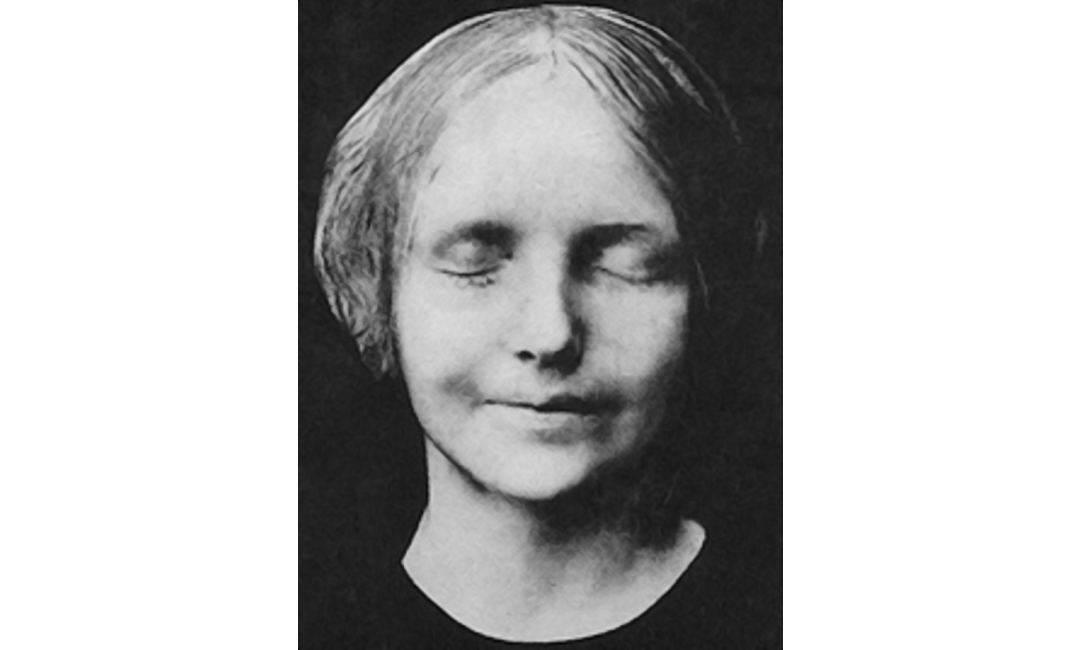
The story goes that the girl’s serene, resting face was so fascinating that an attendant commissioned to have it eternalized with a plaster cast.
The mask’s image was unshakeable to those who laid their eyes on it. Like merchandise depicting the most famous paintings today, L’Inconnue de la Seine’s face was reproduced by souvenir shops, as well as inspired sculptures and prints to be displayed in homes. Albert Camus revered her as the “Drowned Mona Lisa,” drawing comparisons with the enigmatic smile of the Leonardo da Vinci masterpiece.
That face was never an Unknown. But L’Inconnue de la Seine’s full purpose was not realized until much later.
Asmund Laerdal was a Norwegian toymaker. After World War II, his company branched out from manufacturing wooden toys to a new plaything, plastic.
One of his most popular plastic toys was a doll named ‘Anne’. With her rested eyes and natural hair, Anne was named the “toy of the year” in Norway, according to ScienceAlert.
Laerdal had a drowning scare of his own when his two-year-old son nearly died in the water during a day out at the beach. The toy manufacturer rushed over in the nick of time to save his boy, and forced the water out of the child’s airways.
Sometime later, some anesthesiologists reached out to Laerdal to design a doll to demonstrate a new lifesaving technique known as cardiopulmonary resuscitation (CPR). Now, Laerdal was familiar with how dolls were made, but building a lifelike mannequin was a different game.
Laerdal, at least, had the idea that the mannequin should depict a female, as he surmised that male practitioners of the era would be averse to going mouth-to-mouth with a male doll.
So he turned to Anne, one of his most famous products, and borrowed her name. He then used L’Inconnue de la Seine’s face and gave the dummy full-sized adult dimensions.
By the 1960s, healthcare workers had a simulator to practice CPR on. Resusci Anne (Rescue Anne), or CPR Annie in the US, was her name.
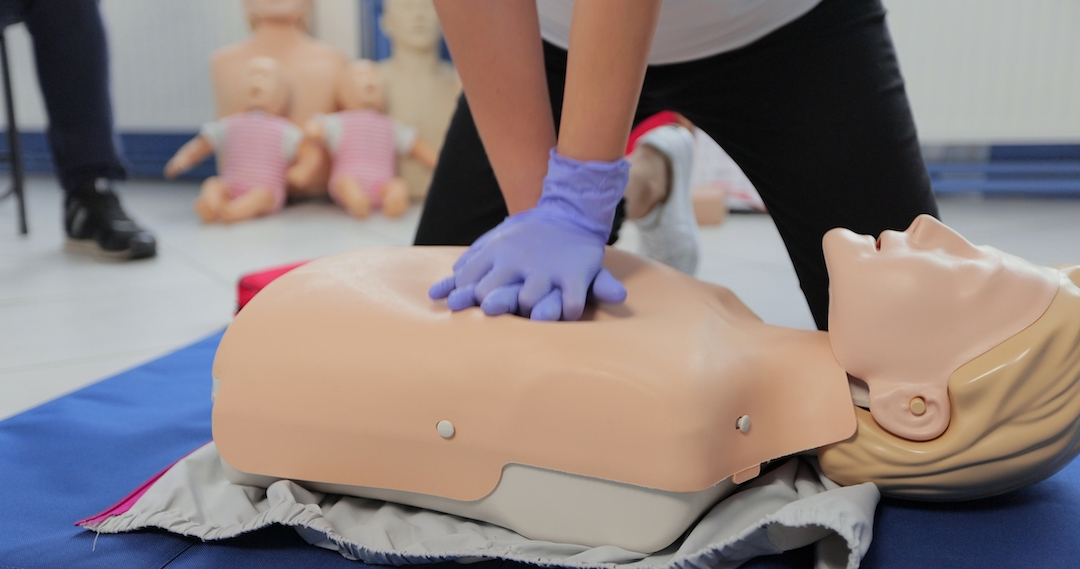
Different variations of CPR models have been in use since then—but Resusci Anne was the one who started it all, earning her the title of the “most kissed” lips in history.
Michael Jackson even alluded to her in his 1988 song, Smooth Criminal. “Are you okay, Annie?” was, in fact, about CPR Annie.
You can read more of the story about the unexpected heroine here.
[via ScienceAlert and Museum of the Order of St John, images via various sources]


