
Uncanny Skin Substitute May Save Humans From Being Feasted On By Mosquitoes
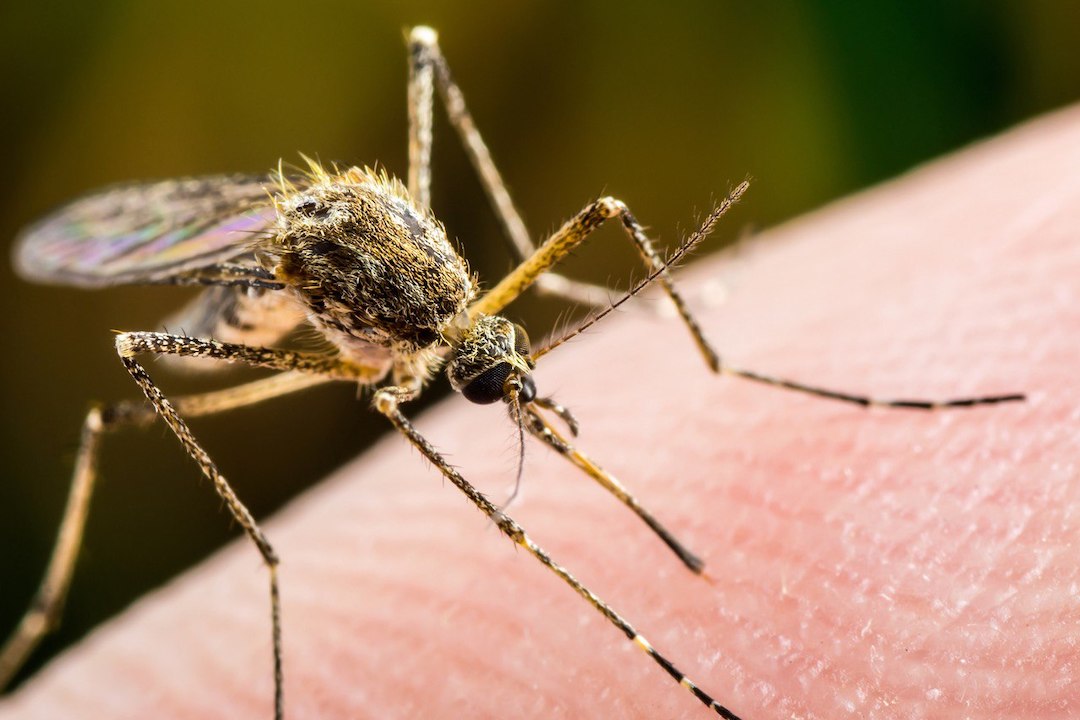
Soon, human test subjects might not be needed to sit through grueling encounters with mosquitoes in the name of science, as scientists have developed a new biomaterial that mimics human skin with stellar precision.
Researchers from Rice University and Tulane University realized that in a bid to bring new insect repellents to market, the industry was becoming increasingly dependent on human volunteers and animal subjects to serve as bait.
Hence, they set out to create 3D bio-printed hydrogels to replace human skin, saving countless volunteers from being feasted on by mosquitoes and suffering the uncomfortable after-effects of the insects’ bites.
Two samples of imitation human skin were created by infusing heated blood into hydrogels, one of which was coated in a plant-based repellant to see how the insects would react. 13.8% of the mosquitoes in the cage consumed the blood, while none touched the repellent-covered samples.
While 13.8% of the trial population seems like a low fraction, the researchers felt that the result could have been due to the small surface area of the hydrogel, and this issue could be fixed by scaling up the area of the test.

To test if the 3D bio-printed hydrogels were accurate representations of flesh, the team came up with a platform that used video monitoring and computer vision algorithms to track the mosquitoes’ movements.
From there, a machine-learning model was created, helping to distinguish between insects that had bitten the hydrogels and those that abstained. It proved to be a success, with the system able to analyze data on the feeding mosquitoes with an average precision of 92.5%.
Furthermore, the team suggested that the trial could be adjusted to be used in the wild, allowing them to more closely mimic real-world conditions of disease transmission through mosquitoes, though it would take time to optimize the platform for use outside of the laboratory.
Professor Omid Veiseh from Rice University remarked that overall, the promising results suggest that the experimental platform could be scaled up, and in the future, could even screen for different compounds and their particular effects on mosquitoes.
[via Interesting Engineering and Frontiers, images via various sources]


