
Google Translate Gets Makeover For Greater Legibility, With AI Descriptions
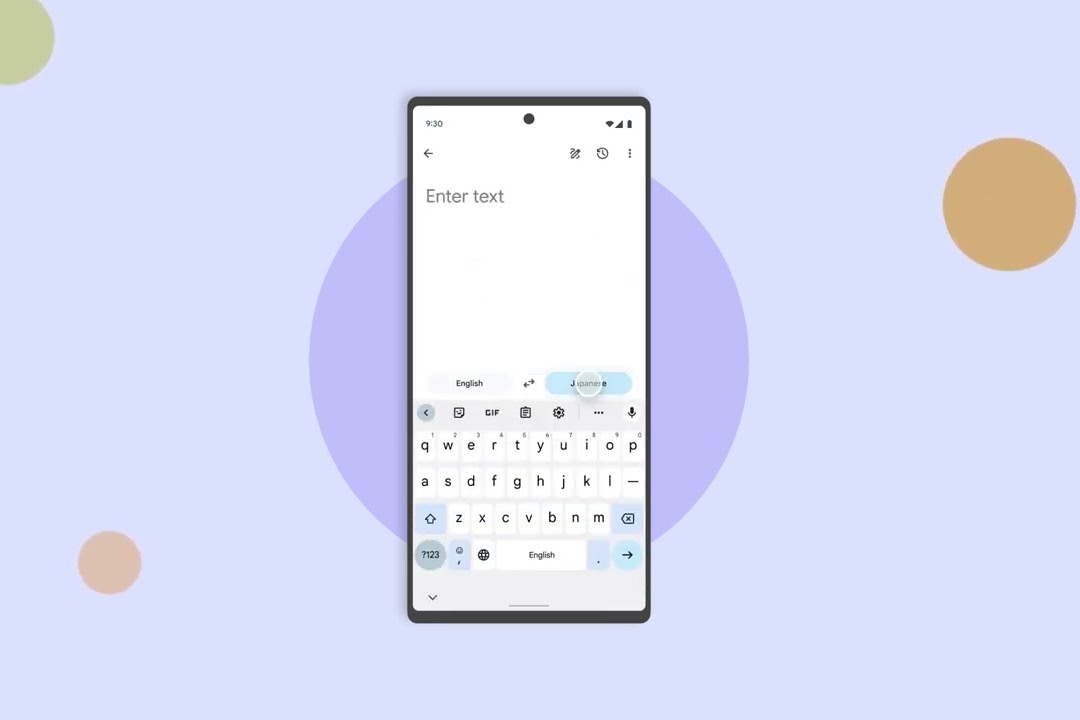
With Google recently revealing its Bard artificial intelligence chatbot, the company is bringing more AI-powered features to its existing platforms, starting with Translate.
From the outset, the application will be getting a makeover, with a new interface design for Android users, and the iOS version coming out in several weeks’ time. Key changes include a larger canvas for words, voice input capabilities, and Lens camera translation for images.
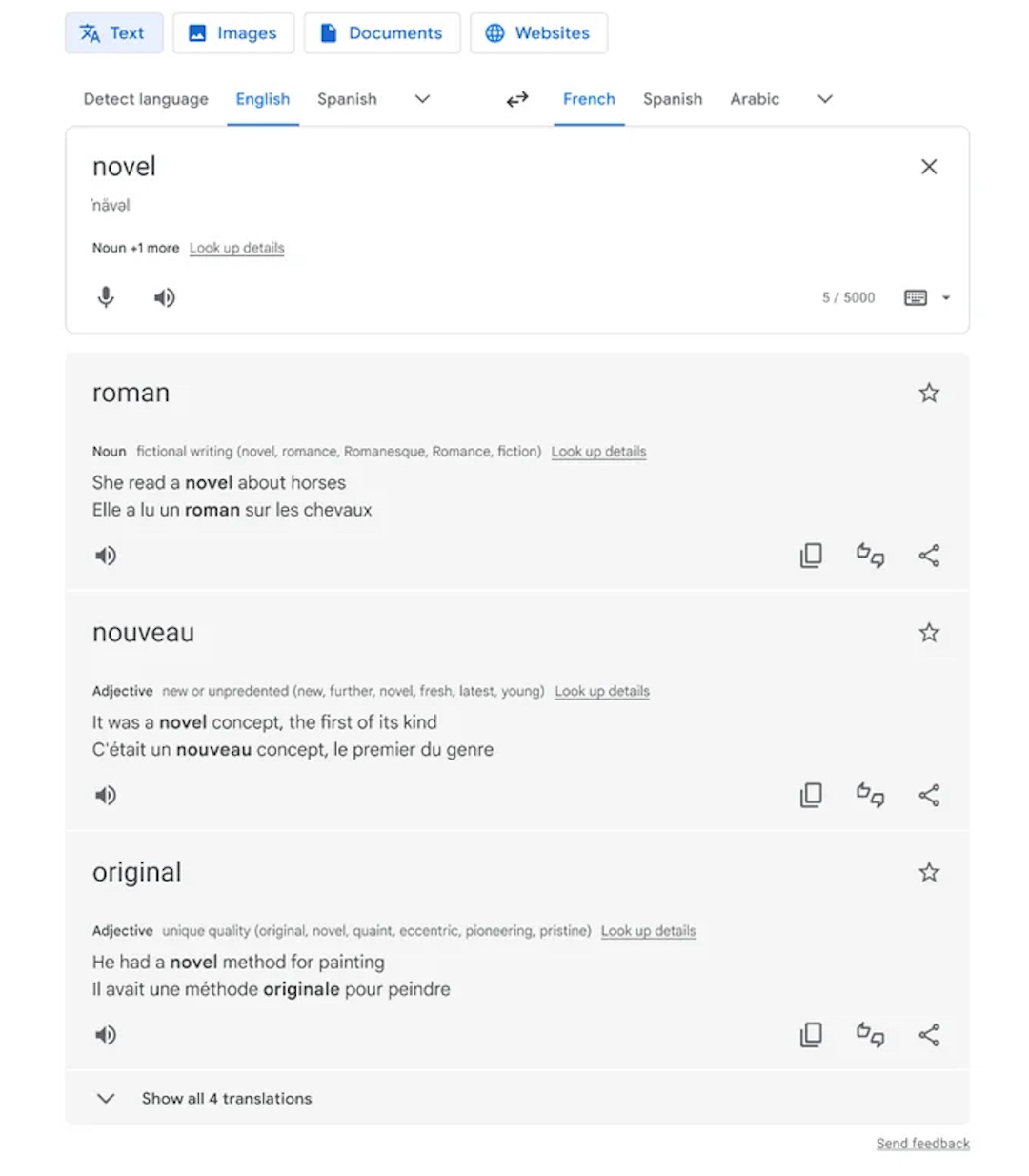
Notably, the machine-learning integration will allow Translate to provide users with more context when offering up definitions. Instead of just one description per word, there will now be more contextual options with multiple examples for terms that are vague.
According to Google, this new function will first be rolled out in English, French, German, Japanese, and Spanish, but it will take a short while before it’s made available to everyone.
That’s not all. The firm explains in a blog post it would be enabling users to translate not only text, but images as well. The advanced algorithm allows users to search what they see using their devices’ cameras, and can even blend translated text into more complex pictures.
In order to make the application more accessible and inclusive, Google has added new gestures for those who aren’t as mobile, such as by reducing the number of taps needed to select a language for translations.
Image via Google
Furthermore, 33 new languages will now be on offer, ranging from Basque to Corsican, Hawaiian, Hmong, Latin, Sundanese, Yiddish, Zulu, and more—so users can stay more connected via minority-speaking languages around the world.
Image via Google
[via Phone Arena and Google, images via Google]


