
DJ David Guetta Digitally Recreates Eminem’s Voice For Concert Set
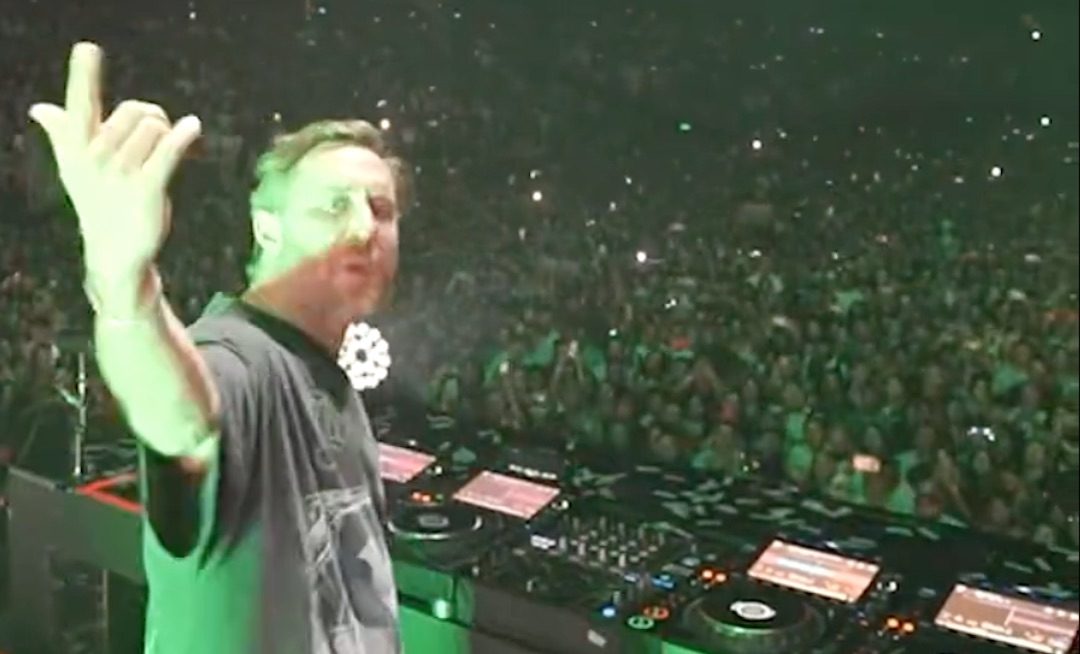
French DJ David Guetta has just jumped on the ethically ambiguous AI generator bandwagon with his version of a song “collaborated” with Eminem.
And by that, it means that Eminem had nothing to do with the song whatsoever. In fact, Guetta had little to do with it either. It was all artificial intelligence.
In a tweet from the DJ, the artist showed a clip of the new song followed by a video of him explaining how he did it. According to the musician, what started as a joke then turned into a piece of music too good to pass up.
Guetta detailed that he asked the machine to “write a verse in the style of Eminem about Future Rave,” and then fed it into another model that could essentially deepfake Eminem’s voice to create a verse ripe and ready for Guetta’s set without even having to hit up the real Slim Shady for permission.
And shady business it is. While Guetta outright states in a follow-up tweet that he has no intention to release the song commercially, it has featured in one of his concerts, where thousands have presumably caught the song and shared it online.
Let me introduce you to… Emin-AI-em 👀 pic.twitter.com/48prbMIBtv
— David Guetta (@davidguetta) February 3, 2023
Eminem so far has not said anything in return, and whether or not he agrees with his voice being virtually included is up in the air. Though, he might not be too happy about his digital likeness rapping: “This is the future rave sound, I’m getting awesome and underground.” It might damage some street cred, one would think.
Nonetheless, a lack of laws to defend innocent parties like Eminem demonstrates a greater systemic problem for artists. Guetta perpetuates the notion of generators being used to infringe on an artistic property (in this case, his voice). While both parties might be wealthy enough to battle this out in court, many other artists aren’t.
Previously, Netflix found itself in a similar situation after it hired an AI to design the backgrounds for its latest anime short film and cited a “labor shortage” as to why it did not employ actual people to do the work.
[via New Atlas and Fortune, screenshot via David Guetta]


