
This VR-Based ‘Breathalyzer’ Scans Eyes Of Drivers For Signs Of Drug Impairment
The alcohol breathalyzer has become a staple of modern urban life, saving countless lives by preventing drunk drivers from getting behind the wheel. But how can those impaired by drugs, such as cannabis, be identified in a similarly efficient manner?
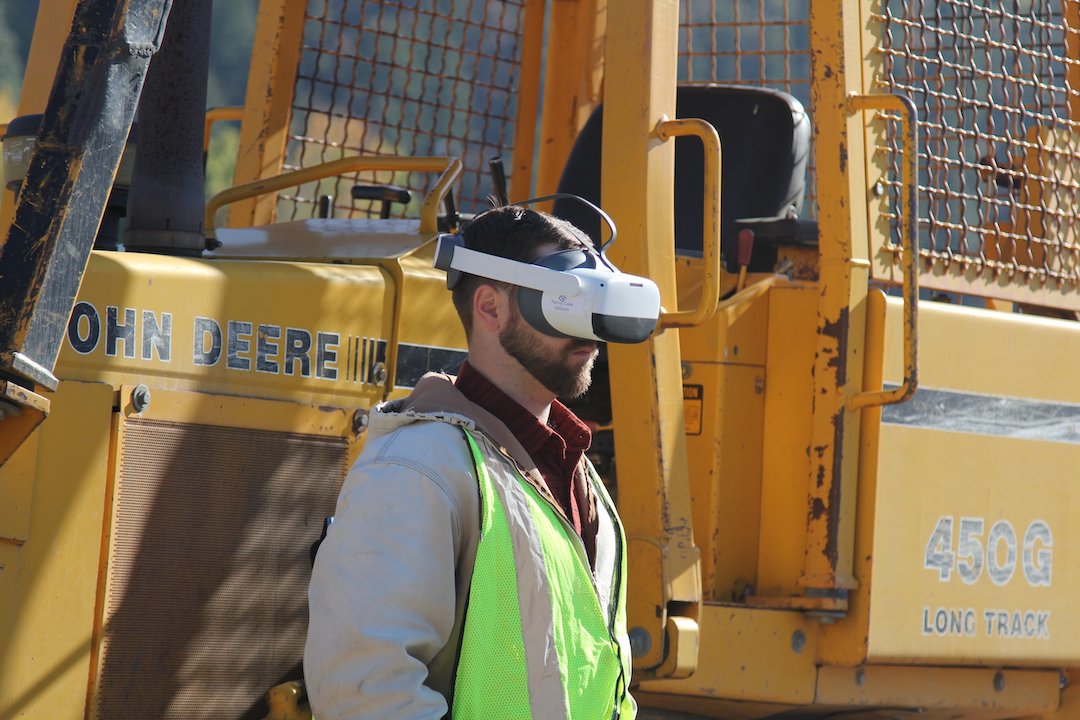
That’s the problem Gaize, a new breathalyzer-like device, aims to solve. Created by an eponymous startup, the gadget makes use of a Pico Neo 3 Pro Eye virtual reality (VR) headset fitted with Tobii eye-tracking sensors.
View this post on Instagram
Mimicking the eye tests that are manually performed by Drug Recognition Expert (DRE) officers, the portable device allows for traffic stops to autonomously analyze if a driver is impaired by drugs, with results sent straight to the officer’s smartphone.
During the test, the system quickly scans for signs of involuntary eye movements and pupil dilations—symptoms associated with drug intoxication—compared to the conventional method which involves multiple steps and controlled settings.

A reading can be generated in just six minutes, and doesn’t require administrators to undergo special training courses that DRE officers are currently subject to. Plus, as the firm pointed out, it can be used in any situation that requires safety checks.
CEO Ken Fichtler told New Atlas the headset’s eye-tracking analysis is even backed up in a database, so that it can be used in legal proceedings thereafter if needed.
At the moment, Gaize is being sold into multiple markets across the globe, at a price similar to “evidential alcohol breathalyzer technology.” Take a look at how the gadget works in the video below.


