
Condé Nast & Rappers Drake, 21 Savage Settle Row Over Mock ‘Vogue’ Cover
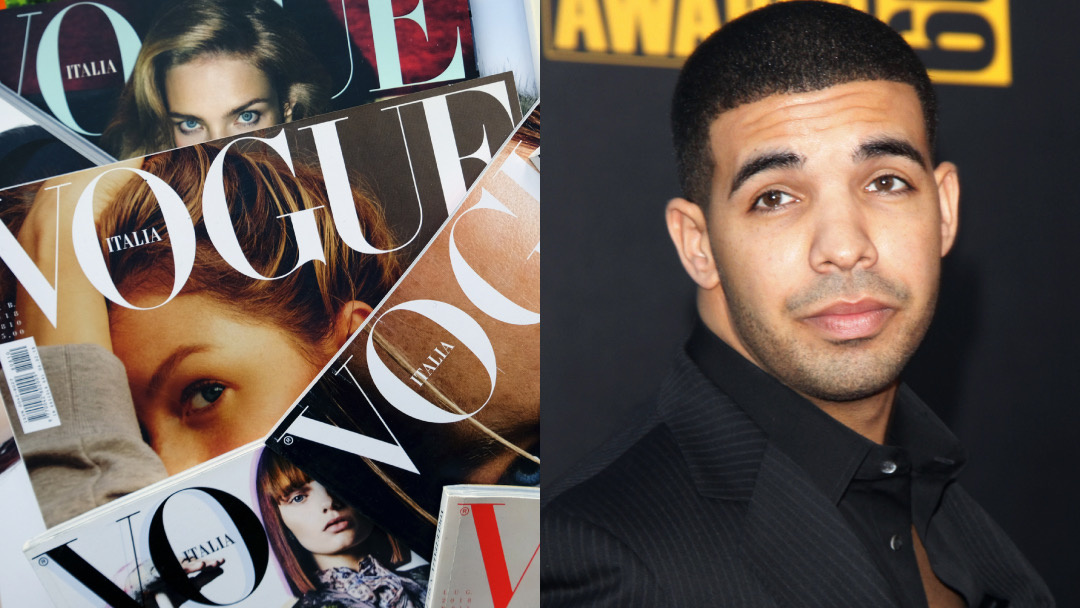
Photos 149500120 © LongstockingPippi and 32458161 © Carrienelson1 | Dreamstime.com
Rappers Drake and 21 Savage are facing the music and settling a trademark infringement lawsuit with Condé Nast for an unspecified amount after promoting their joint album with a “Vogue” magazine cover.
Let us rephrase that—it was a bogus Vogue magazine cover. The convincing image was published physically and digitally alongside a pretend production of a Saturday Night Live performance, a deepfaked interview with Howard Stern, and a teaser of a non-existent guest appearance on NPR’s Tiny Desk to draw attention to the musicians’ album, Her Loss.
“Me and my brother on newsstands tomorrow! Thanks @voguemagazine and Anna Wintour for the love and support on this historic moment,” Drake announced on Instagram in October last year.
Condé Nast later asserted it had no involvement in the fake editorial feature, and on November 7 it sued the rappers for US$4 million on the grounds of “flagrant infringement” in Manhattan federal court. The publisher cited the claim of Wintour expressing her “love and support” for the album’s release to be one of the “explicit false statements” in the commercial misuse of Vogue’s trademarks.
wait so Drake and 21 Savage's Vogue magazine cover & NPR Tiny Desk are fake??
— SOUND (@itsavibe) November 2, 2022
lmaoo they're trolling traditional album rollouts pic.twitter.com/5i85sbSIwa
The campaign marred the “tremendous value that a cover feature in Vogue magazine carries,” Condé Nast argued in its initial complaint, as quoted by Billboard. The company added that it did not authorize, “much less support,” the generation and “widespread dissemination” of the “counterfeit issue.”
Drake took down the offending advertisement after Condé Nast filed its lawsuit.
In an internal memo to staff addressing the settlement (via Semafor), Condé Nast general counsel William Bowes said that “as a creative company,” the publisher was aware its brands occasionally feature in other creative works. However, he stressed that this case was different as Drake and 21 Savage had made use of the magazine’s reputation for commercial gain “and, in the process, confused audiences who trust Vogue as the authoritative voice on fashion and culture.”
Bowes added that the company wanted to settle the matter amicably and that it had persistently avoided taking legal action against the rappers, but it was left with “no other option” when the musicians didn’t heed its messages.
In addition to an undisclosed settlement sum, Condé Nast has been granted a permanent injunction to bar future commercial use of Vogue trademarks.
Bowes elaborated in his letter that the company has “a fundamental duty” to safeguard its intellectual property when it’s being used without consent or when the objective of the attempt is beside “serving our audience.”
[via Rolling Stone and Billboard, images via various sources]


