
NASA Turns To AI Generation To Design Parts For Rockets, And They Look Unearthly
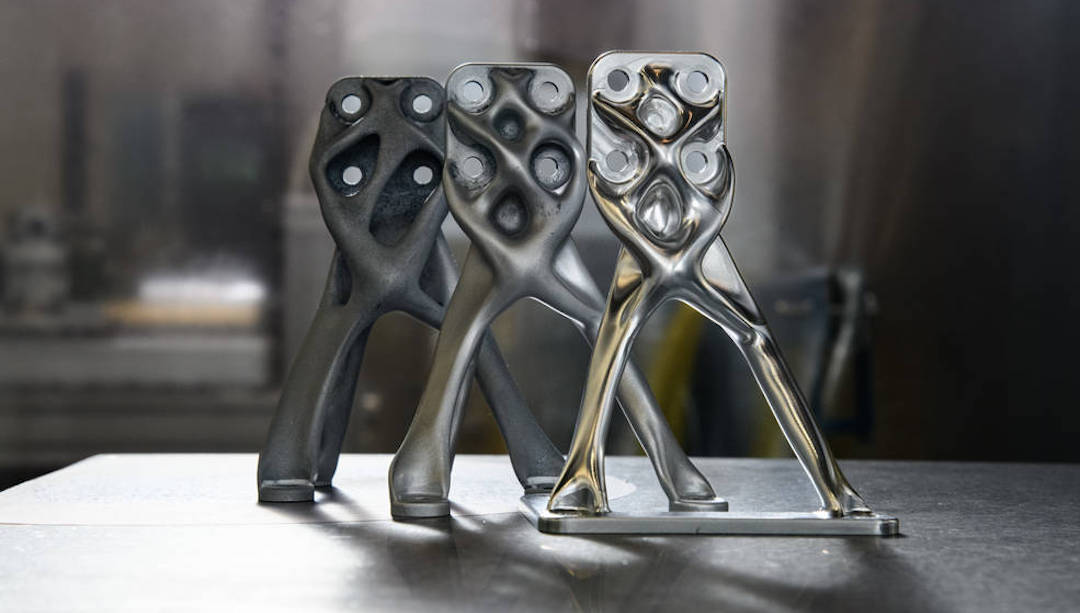
Rocketships and space equipment are getting the artificial intelligence treatment as NASA has discovered that using commercially-available machine-learning models does a bang-up job in designing parts.
NASA’s Goddard Space Flight Center in Maryland is creating specialized “evolved structures” for future spacecraft, and in a rather unsurprising twist, most of the AI-generated pieces look… alien.
As seen in the images and video below, the AI is conjuring up pieces of equipment with a cosmic edge, with an almost organic touch to them.
The computer-assisted specialist draws out areas where the surfaces of the craft connect, and the system takes it from there to produce complex structures in just an hour or so.
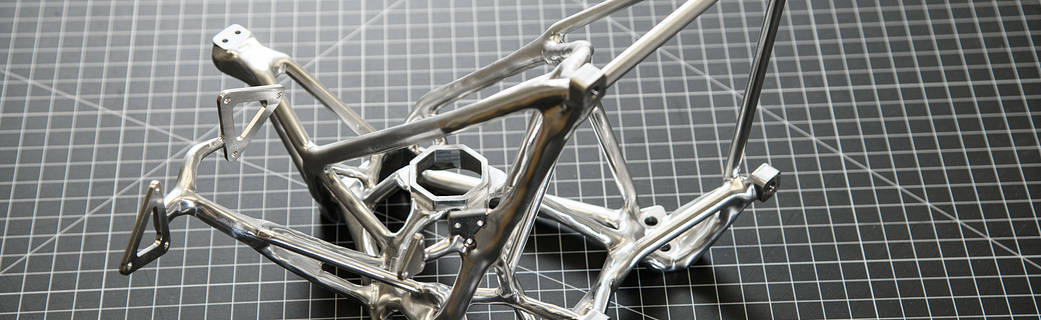
These evolved structures could significantly reduce material usage as they can often hold higher structural loads while weighing less. In addition, NASA conducted stress analyses on the fixtures and found that parts the algorithm had generated didn’t have stress concentrations found in ones designed by humans. Instead, the stress factors are almost 10 times lower.
Overall, it is estimated that these evolved structures can save up to two-thirds of the weight compared to standard components.
This does not mean humans are out of the picture when producing rockets. Regardless, human designers are still needed to keep an eye on the AI as often the models can create fixtures that might be too thin.
NASA’s EXoplanet Climate Infrared TElescope (EXCITE) mission currently employs this process to develop its balloon telescope, which studies the Jupiter-like exoplanets orbiting other stars.
In other NASA news, recently captured images of the Sun have given scientists new insight into why its atmosphere is so much hotter than what is beneath.
[via Interesting Engineering and NASA, images via Henry Dennis/NASA]


