
Scientists Create Tool That Helps Artists Protect Their Work From AI Databases
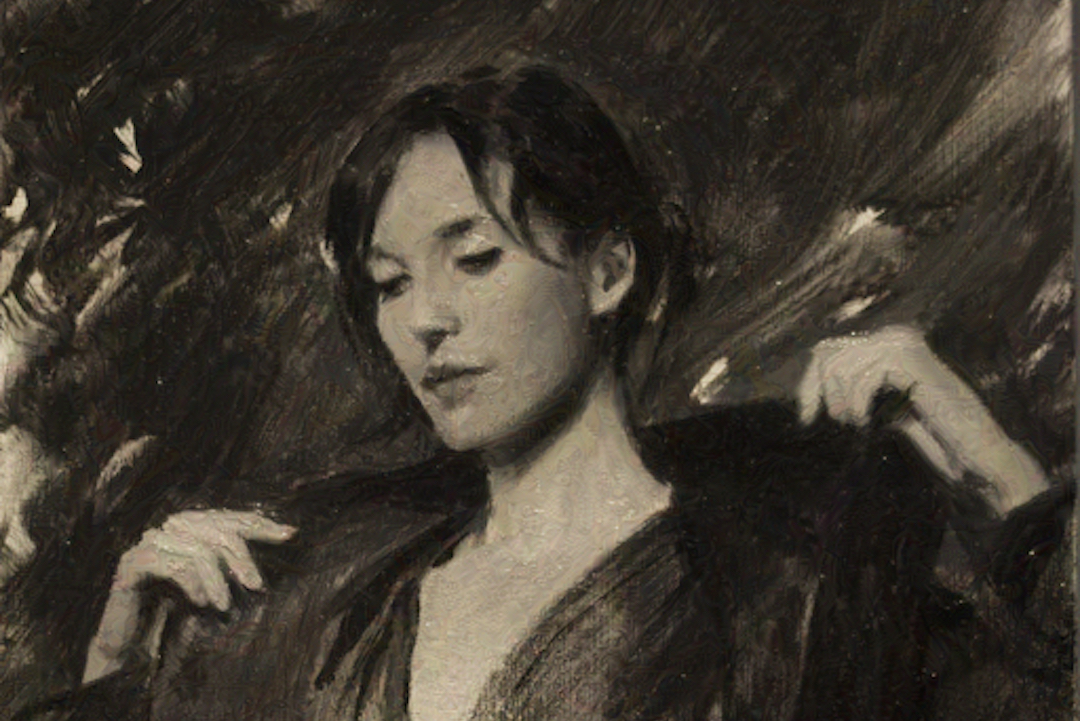
Despite the growing popularity of artificial intelligence in daily life, not everyone is welcoming the proliferation of the technology. Artists have voiced their concerns about how popular art generators have stolen their work without consent, recently culminating in a class-action lawsuit.
To protect creators’ pieces from being fed to AI databases that can then mimic their unique art styles, researchers at the University of Chicago have come up with a new tool—dubbed ‘Glaze’—that introduces subtle changes to characteristics of works to “cloak” them.
According to the scientists, the idea first came from an algorithm called Fawkes, created in 2020 by the college’s SAND Lab to help add a layer of protection—or a “cloak”—to personal photographs so they couldn’t be used or spotted by facial recognition databases.
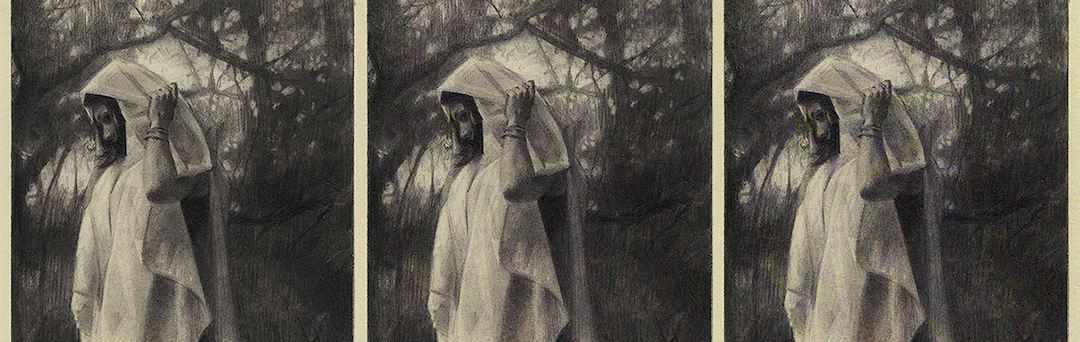
Image courtesy SAND Lab, University of Chicago / Art by Karla Ortiz (featured with permission)
The team decided to tweak the tool to protect artwork after artists had reached out to the lab to seek help. After surveying over 1,000 artists, the researchers realized the scale of the problem and decided to adapt the Fawkes model to shield art on the internet.
This endeavor resulted in the scientists adopting a concept known as “style transfer” to protect artists’ work against AI databases. The model works by recreating the same image in a different style to “confuse” the generators, with no perceptible changes to the content.

Image courtesy SAND Lab, University of Chicago / Art by Karla Ortiz (featured with permission)
“We don’t need to change all the information in the picture to protect artists, we only need to change the style features. So we had to devise a way where you basically separate the stylistic features from the image from the object and only try to disrupt the style feature using the cloak,” explained Shawn Shan, co-author of the study.
When put to the test, images that were cloaked had much less successful forgeries from AI generators than those without, with over 90% of artists who viewed the results showing interest in using the software to guard their own art pieces.
Going forward, the researchers are working on a downloadable version of the software that will allow artists across the globe to cloak images in mere minutes, so they can keep their art safe before posting it online.
For more updates on the project, follow SAND Lab on Twitter.
[via Artnet News and University of Chicago, images courtesy SAND Lab, University of Chicago / Art by Karla Ortiz (featured with permission)]


