
Why Have Pizza Hut’s Red Roofs & McDonald’s Giant Golden Arches Vanished?
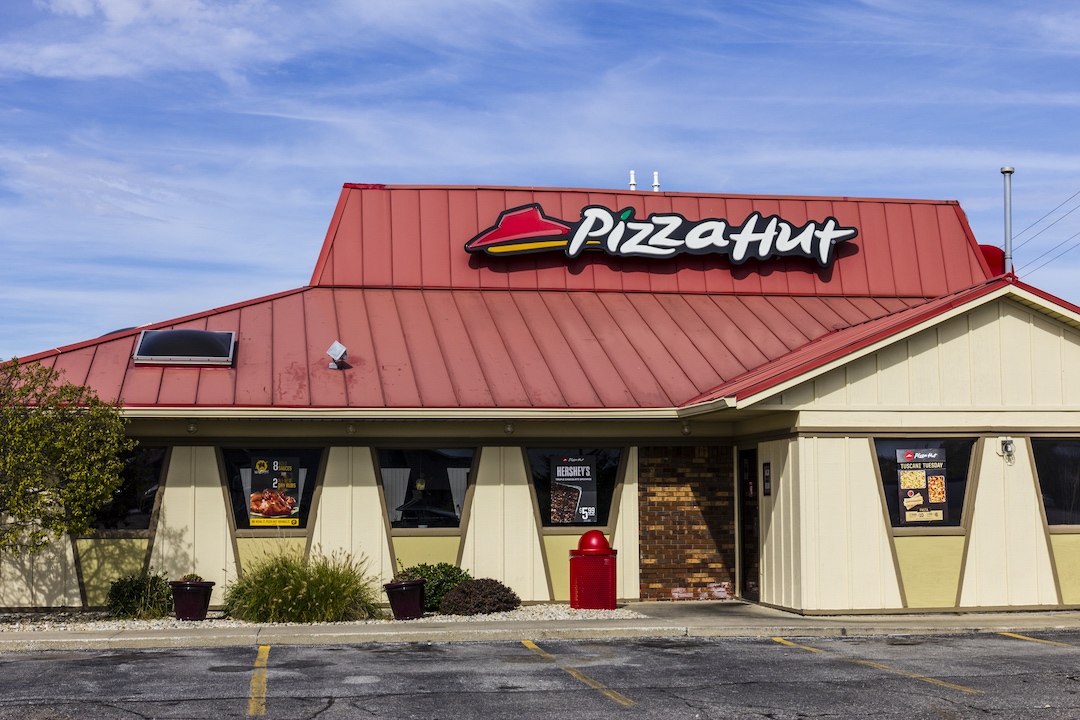
If asked to spot a Pizza Hut from afar, one may look for the fast-food chain’s signature emblem, or maybe its red-topped roofs. But why have the restaurant’s iconic outlets become harder to identify over the years?
That’s because fast-food businesses may have lost their love for the quirky and memorable, as CNN writer Nathaniel Meyersohn reported. In the past, brands wanted to draw customers in by standing out with recognizable features, such as McDonald’s golden arches.
Now, advertising in the social media era has driven the very same household names to abandon these motifs, focusing instead on creating a modern dining experience with “rigid and monochromatic aesthetics.”
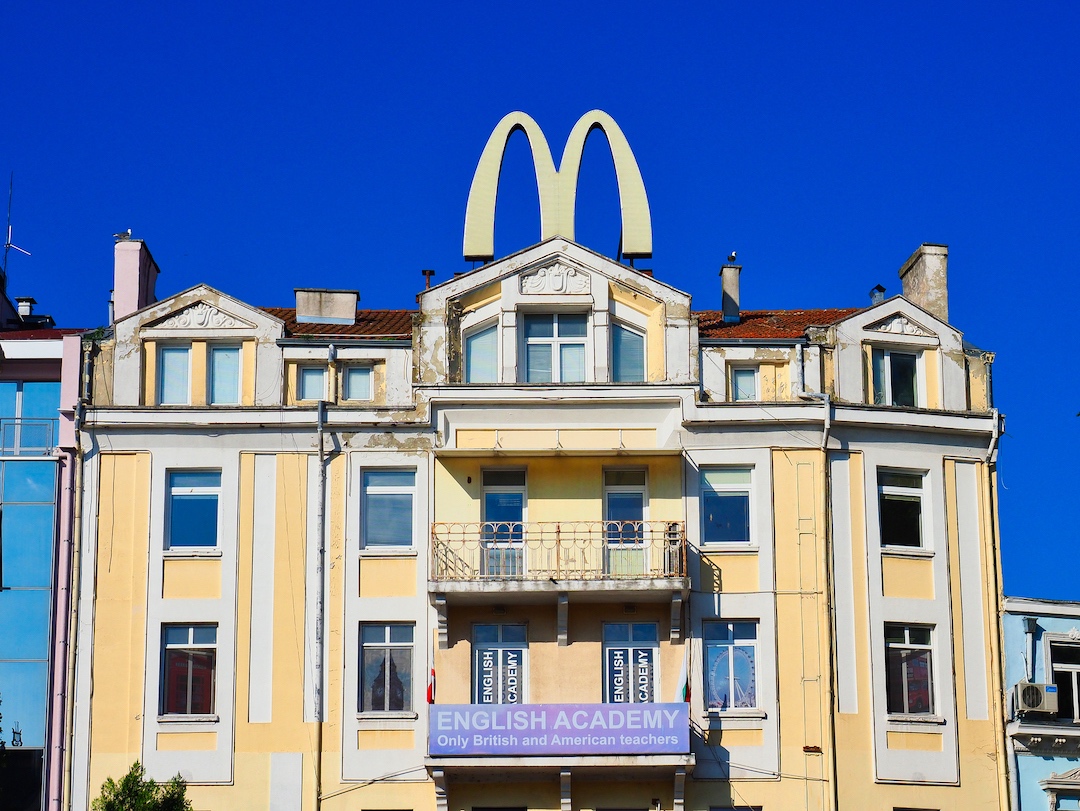
According to North Texas Daily, fast-food restaurants look noticeably different from how they did two or three decades prior. McDonald’s has replaced its brick mansard roofs with a flat design accented by golden curves to create a “sleeker” look.
Compare a local Starbucks, Burger King, or Taco Bell joint, and you’d find that the color palette used in the restaurants’ façade and decor seem nearly identical, with companies chasing a “faux five-star restaurant” aesthetic instead of a distinguishable brand identity.
Why did this shift happen? As CNN explained, this could be because fast-food chains are no longer looking to attract motorists on the highway, but with delivery orders to attend to all day, firms are now focusing on maximizing efficiency.

While critics, such as architect Glen Coben, feel that current outlets look like “soulless little boxes” or “Monopoly homes,” it’s important to note that back when designs were bigger and brighter, the buildings faced backlash too.
At the time, many railed against the over-the-top golden arches that adorned McDonald’s buildings—a design later known as ‘Googie style’—and called the neon-colored signs and advertisements “visual pollution.”
Now, guests don’t linger for hours in a restaurant, leading McDonald’s to do away with its play areas. Instead, as a Pizza Hut executive said in 2018, companies are expanding drive-thru lanes to cope with takeaway orders and deliveries.
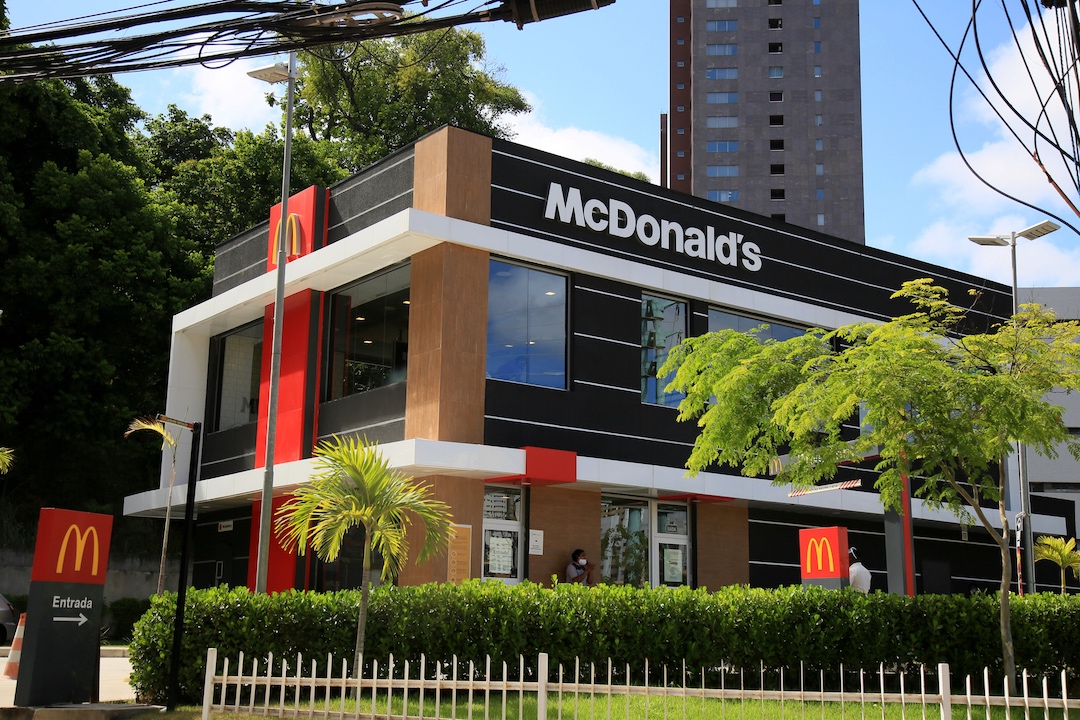
John Gordon, a restaurant consultant, explained the ongoing trend of flat roofs allows for buildings to be more efficient in heating and cooling, in addition to being cheaper to construct, maintain, and manage.
However, could the modernization and drive to improve the efficiency of fast food stores have resulted in a homogenized identity in which none can be told apart? Perhaps brands need to come up with other ways to stand out in this age.
[via CNN and North Texas Daily, images via various sources]


