
Scientists Turn Kombucha Culture Into Flexible Electric Circuit Boards
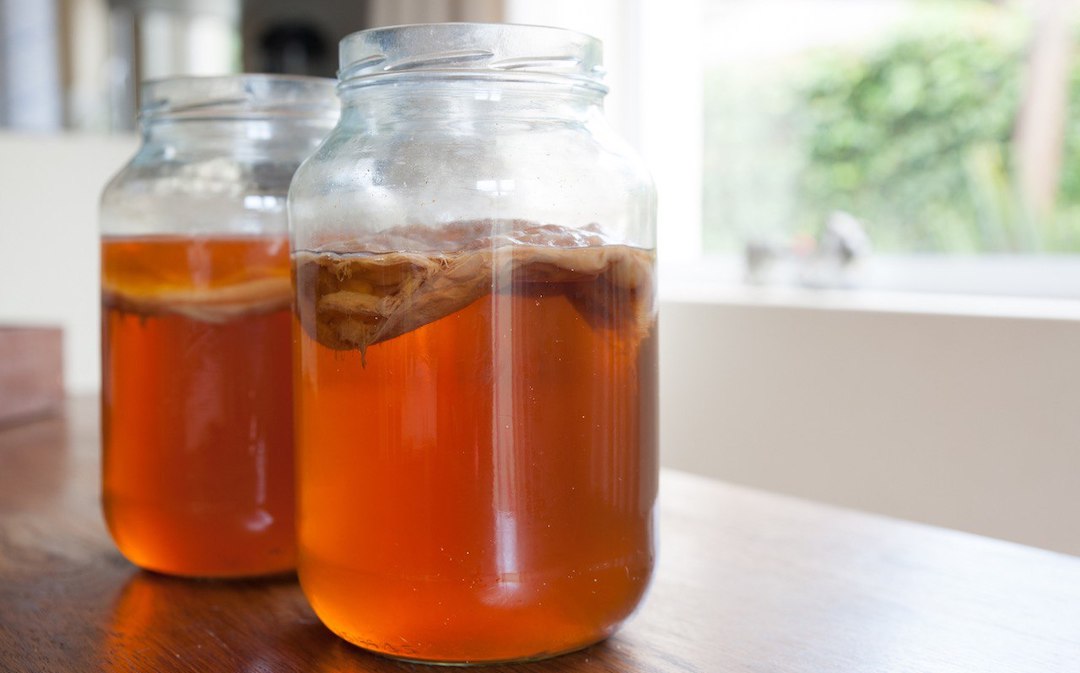
Kombucha is a great source of antioxidants, inflammatories, and probiotics to keep your body healthy. But did you know that it could also be turned into circuit boards?
Yes, the benefits of kombucha never seem to end. For those unfamiliar with the drink, it’s a tea mixed with a bacteria culture. You can make one by brewing black tea and sugar and getting your hands on the SCOBY (symbiotic culture of bacteria and yeast) or the “mother.” This gel-like cellulose fiber grows bacteria and yeast, like a bread mix. However, instead of chucking it in the oven and watching it turn into sourdough, you turn it into tea.
The mixture will then need to sit for two to three weeks to ferment before ready for consumption. A mat of organic material known as the “daughter” SCOBY will float on the concoction.
In this case, scientists have reworked the process and used the bacteria to grow mats. Then, the cells are air-dried on plastic or paper at room temperature to create these skin-like-looking “fabric” that could host printed electrical circuits.
A good thing about the SCOBY mats is that they are non-conductive, and the currents are only confined to the printed area.
These mats are rugged and won’t tear easily, making them suitable to be turned into clothes and other wearables that support medical devices such as heart rate monitors.
The original study was published on arXiv.
[via Ars Technica and New Scientist, Photo 79926533 © Dan Edwards | Dreamstime.com]


