
Barbies Test Space Suits For Humankind’s Future Trips To The Moon
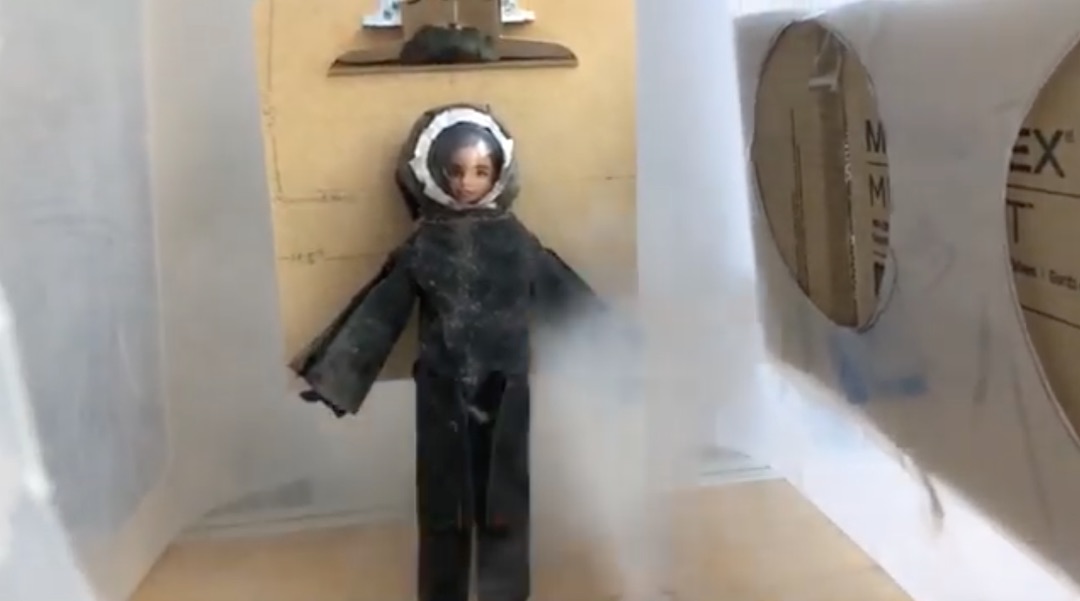
“Be who you want to be,” said Barbie. And by that, she may or may not have meant being a test model on the search for a way to keep spacesuits clean on the Moon.
Lunar dust is a troublesome—and hazardous—side effect of visiting the Moon. It gets everywhere and settles in even the tiniest cracks and crevices. Its abrasive nature also has it causing small tears into an astronaut’s suit, which might cause damage to the clothing and even its wearer over time.
Not only that, but when it also latches onto a person and is carried into the spacecraft, team members might be subjected to breathing it in. Doing so might even lead to illnesses such as Black Lung Disease, often found in coal miners.
With that, the crew must keep their suits clean at all times. But keeping some dirt off clothes might be a low priority between handling a rocket, collecting samples, running different operations, and being on the literal Moon.
For example, on the Apollo mission, the crew used a brush to remove the dust, but they soon noticed that doing so wore the material down.
The Washington State University is trying to shed new light on how astronauts can keep this lunar dust at pay, and it has enlisted Barbie’s help.
While experimenting, the team found that liquid nitrogen can remove 98% of the substance that has adhered to the fabric. Such a spray was ideal as it posed minor damage to the spacesuits. But the results might not have come about if it weren’t for Barbie and her can-do attitude.
The team had dressed her in Moon suits, coated her in simulated dust, and sprayed her with liquid nitrogen. Using such a substance works as it simulates the Leidenfrost Effect when cold water is poured into a hot frying pan, and it beads and moves across its surface. The same concept applies here when using cryogenic liquid nitrogen to blast away the stubborn Moon dust.
[via Gizmodo and Washington State University, cover image via WSU Voiland College of Engineering and Architecture]


