
Secret Corridor In Great Pyramid Of Giza Has Been Mapped Out
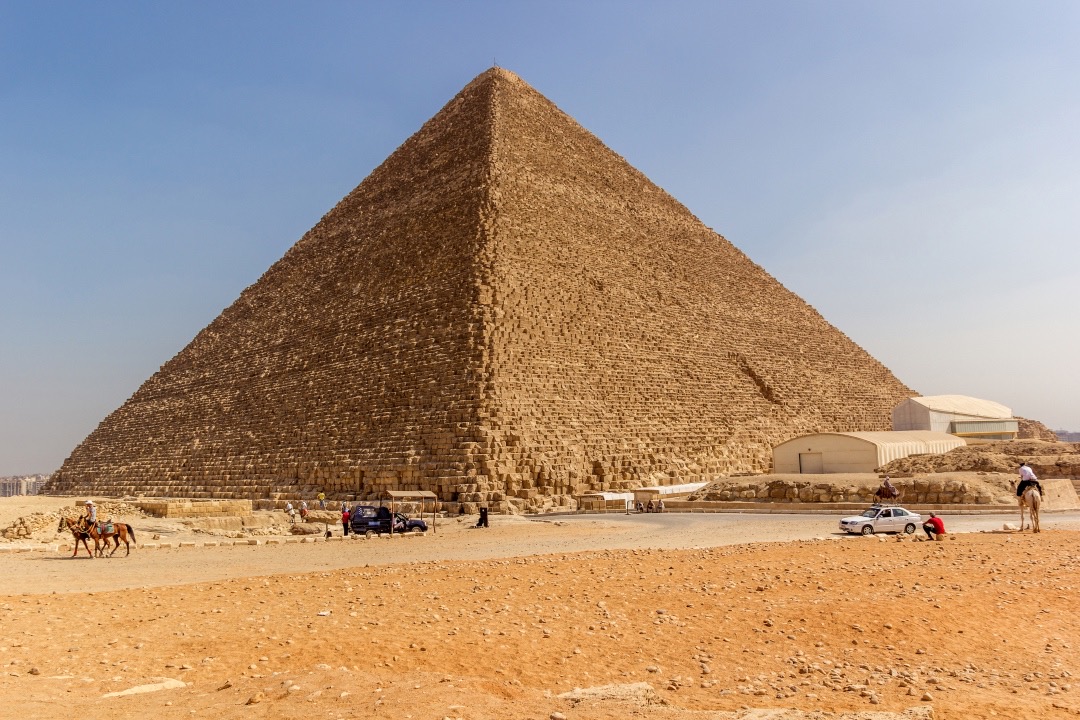
Photo 58035126 © Noelia Morán | Dreamstime.com
The Great Pyramid of Giza in Egypt continues to mystify today. It’s still not known how exactly the structure was built—but more secrets lie within.
In 2016, researchers uncovered a void about seven meters (22 feet) above the main entrance of the architectural marvel, behind its chevron blocks, using a non-invasive imaging technique called muography. Now, antiquities officials have confirmed the cavity to be an internal corridor.
Footage from an endoscope showing the space—measuring around 30 feet long and seven feet wide—was presented at a news conference held next to the pyramid on Thursday. As per the BBC, the video depicted a vacant corridor with walls constructed from uneven stone blocks.
Experts suspect the corridor was designed for weight distribution around the main entrance, or to make way for a chamber that’s still hidden somewhere.
Scientists at a dedicated ScanPyramids Project first detected density changes in the area through muography, which is the scanning for penetration by muons, by-products of cosmic rays that leave slight traces in stone.
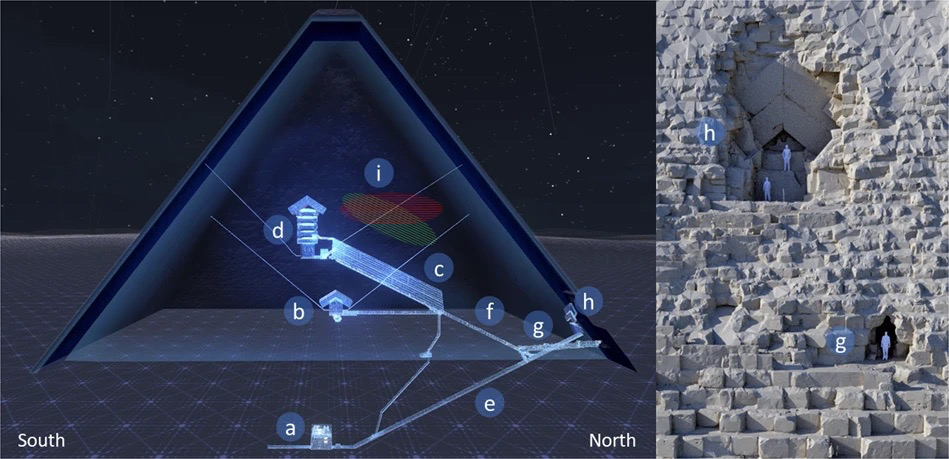
Image via Procureur et al / Nature Communications (CC BY 4.0)
Another independent team has conducted its own muon analysis. Now, both sides have successfully mapped out the secret corridor for the first time, and they’ve outlined their research in the Nature Communications journal.
Egyptian archaeologist Zahi Hawass believes there’s “something important” tucked underneath the corridor, adding that researchers might get more answers in the next few months.
They’re hoping it can lead them to the burial chamber of King Khufu—that is, if it still exists in the structure.
[via BBC and Ars Technica, images via various sources]


