
FDA Says No To Elon Musk’s Neuralink Testing Brain Implants On Humans
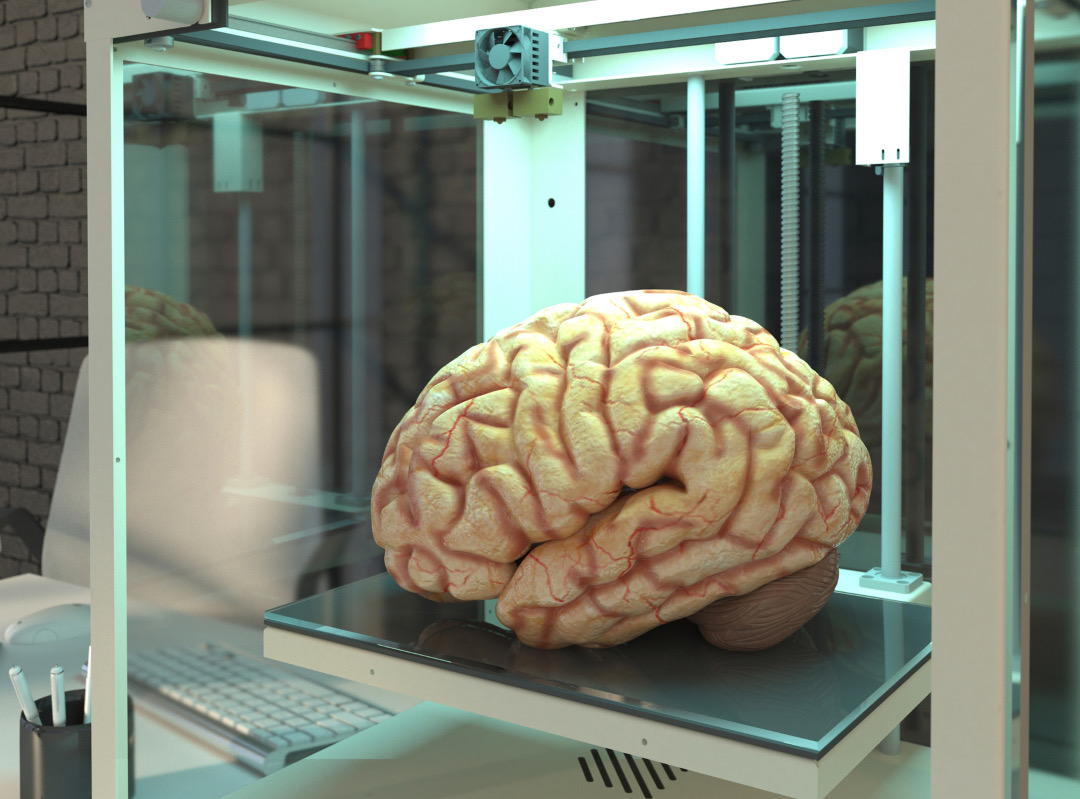
Illustration 197317493 © Judgar | Dreamstime.com
It looks like we’re still leaps away from a reality run by human cyborgs. The US Food and Drug Administration (FDA) has put its foot down on the prospect of Elon Musk’s Neuralink embarking on human trials for its brain implants.
Launched in 2016, the billionaire’s neurotechnology firm has been working to develop brain-computer interfaces (BCIs) that translate thoughts into actions via small wires attached to the skull. The technology wouldn’t just turn users into superhumans but could also be used to treat brain conditions, said Musk.
Neuralink has been testing its innovations on animals since 2018, at the very least, Fortune reports. This was to make way for human trials, which Musk had projected would take place in 2020. The time passed and humans still have their native brains.
In December last year, the company came under extreme scrutiny for allegedly killing an estimated 1,500 animals throughout its lifetime, including sheeps, pigs, and monkeys. It was reported that every monkey used as a test subject had suffered severe health effects.
Now, new details from Reuters reveal that the FDA has rejected Neuralink’s application to test brain implant chips on humans, citing safety concerns. The news outlet says seven current and former FDA employees have confirmed the news of the rejection, which had apparently gone under the radar of the press until now.
The regulator brought up concerns about how the brain chip could be inserted or removed without causing damage to the brain, and questioned Neuralink’s use of lithium batteries, which are a fire hazard.
Further, the FDA pondered if transmitting electrical signals from the brain to a computer via multiple wires could impair movement or feeling.
That’s not to say the authority will keep its door closed forever. According to Reuters, the FDA views this rejection as part of an ongoing conversation.
Fortune emphasizes that the FDA doesn’t take these requests lightly. A typical drug trial can run for eight-and-a-half years, and Neuralink, in fact, has only been around for seven. For now, Elon Musk’s company will have to be patient and sort out those early kinks raised by the regulator.
[via SlashGear, Fortune, Reuters, cover illustration 197317493 © Judgar | Dreamstime.com]


