
Archaeologists Dig Up Ancient Roman Mini-Sphinx Statue That Could Be Claudius
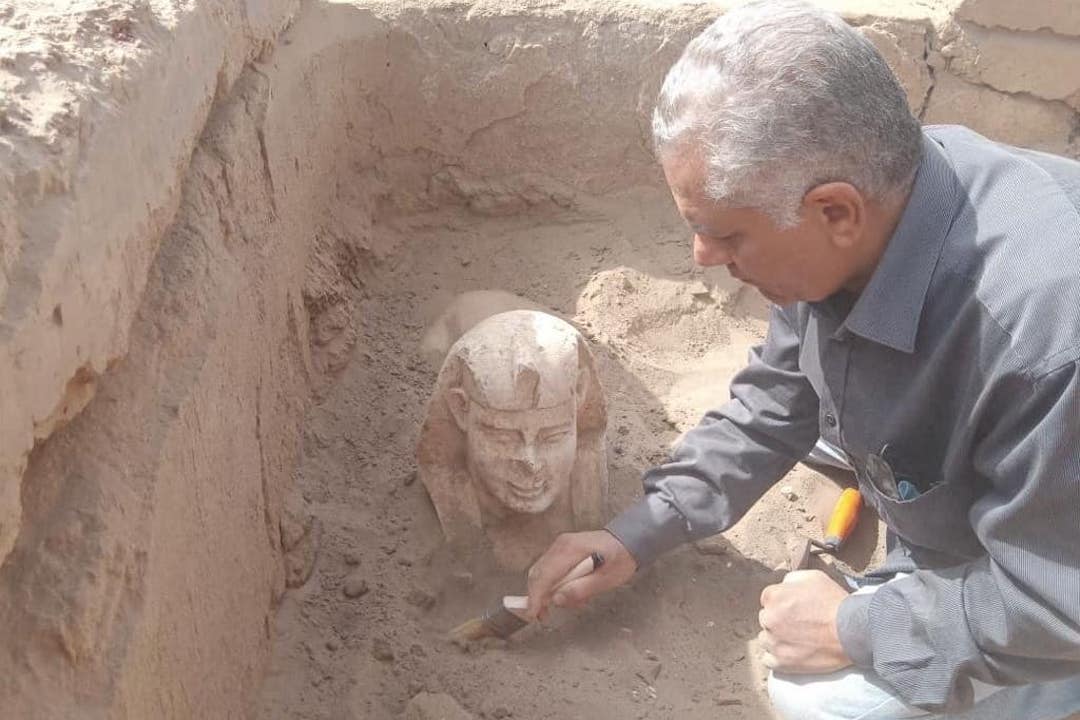
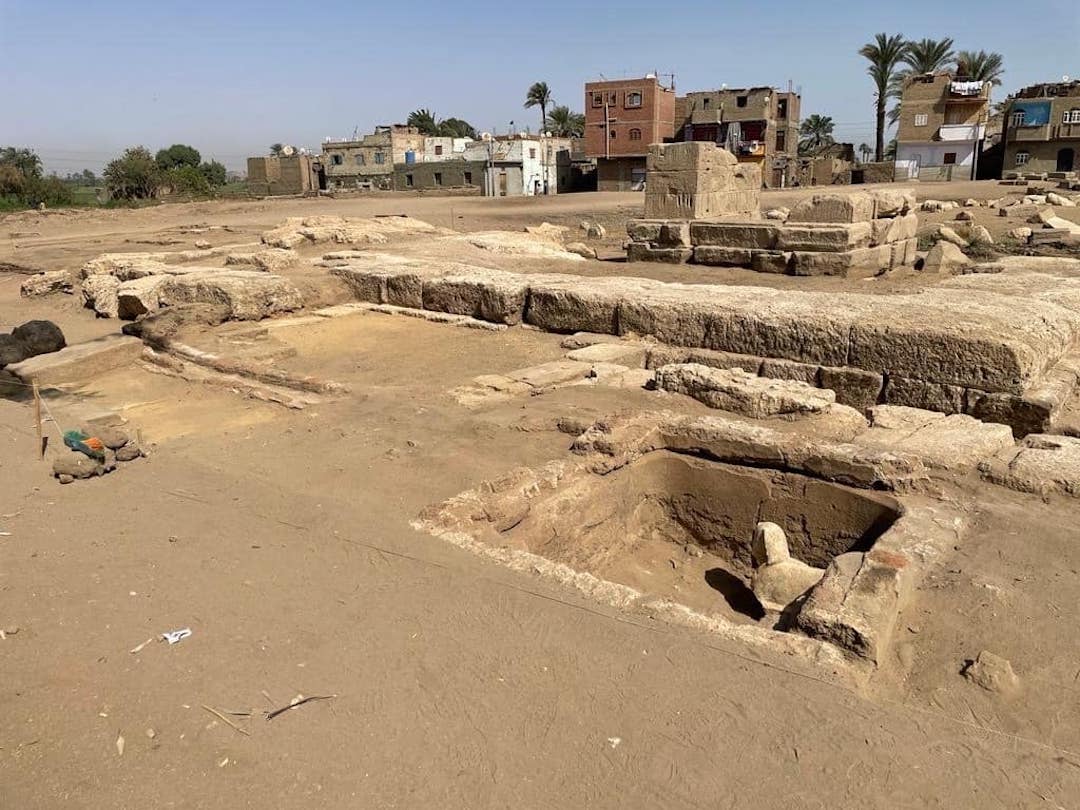
A group of archeologists from the Ain Shams University has chanced upon a miniature statue of a sphinx while excavating a site, located in Qena, a city in the south of Eygpt. The Roman-era figurine is believed to be a representation of ancient Emperor Claudius.
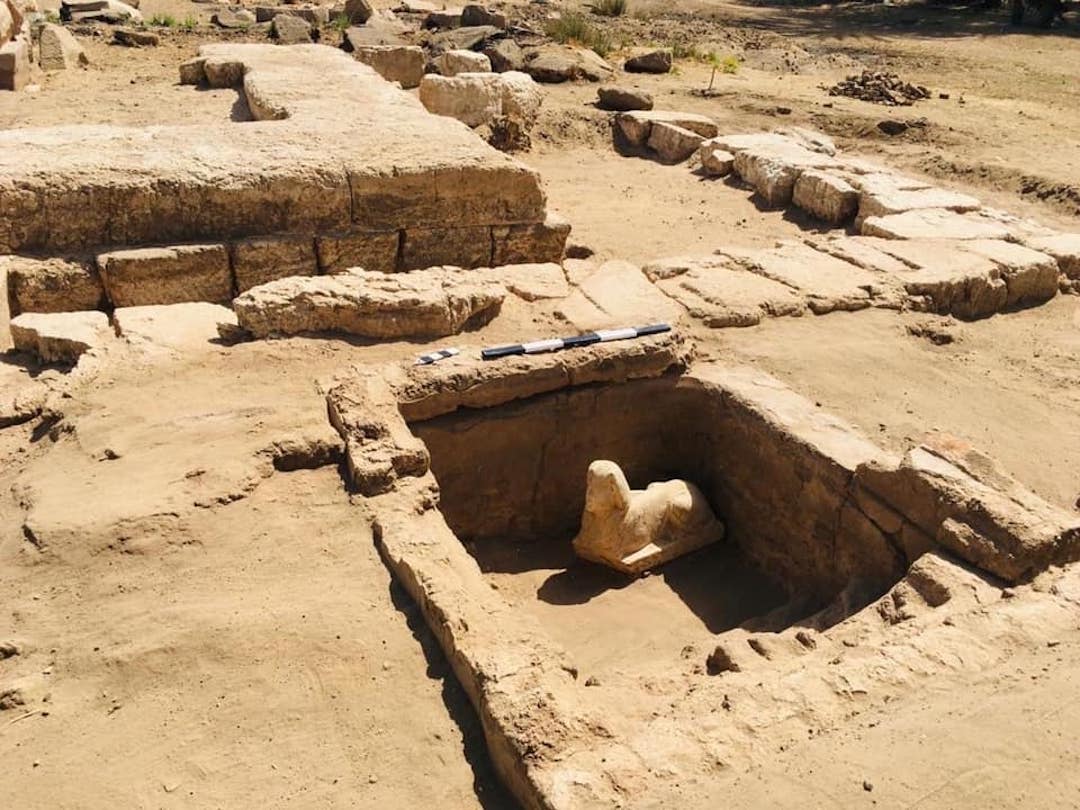
According to a statement by Eygpt’s Ministry of Tourism and Antiquities, as quoted by CNN, the smiling sculpture was found to be carved in limestone and had its own two-level platform. A separate ladder and mudbrick basin were found together with the statue.
The artwork was found within the basin, which could date back to the Byzantine era. Professor Madmouh Eldamaty said the statue had “royal facial features” and a “soft smile” featuring two dimples. Its head was also clad in a nemes, a headdress that was worn by pharaohs of the past.
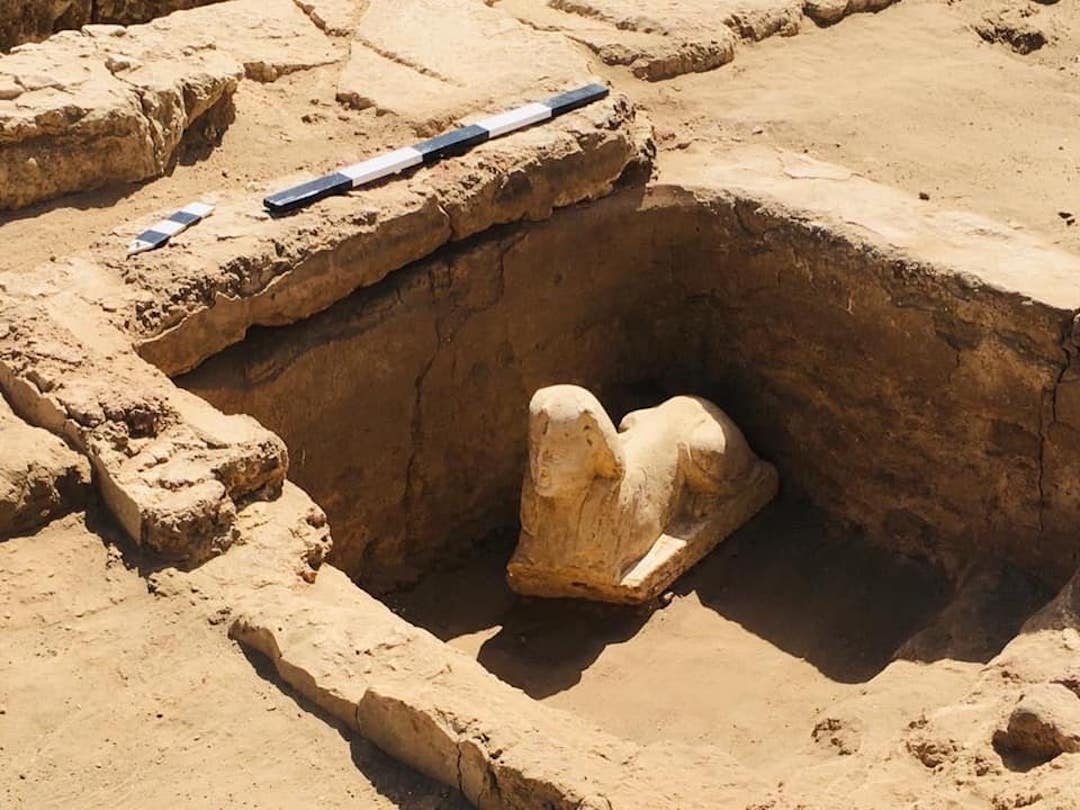
Furthermore, a Roman stela littered with hieroglyphic and demotic writings from the same era was found below the statue. Looking at all the evidence, the team garnered that the art piece could have been made to portray the fourth Roman Emperor Claudius, who ruled from 41 to 54 AD.
CNN explained that sphinx statues are not uncommon in Eygpt, for the sphinx is a mythological creature that often appears in Egyptian, Persian, and Greek cultures. Many of them are found near tombs or religious sites.
More studies are needed to verify if the statue really does depict Claudius and give insight into its provenance. Work at the site will continue for future seasons to come, with Eldamaty promising more discoveries that will “add a lot to the history” of Egypt in the Greek and Roman ages.

[via CNN and ARTnews, images via Ministry of Tourism and Antiquities]


