
NASA Creates Space Cup That Doesn’t Spill When Up In Microgravity
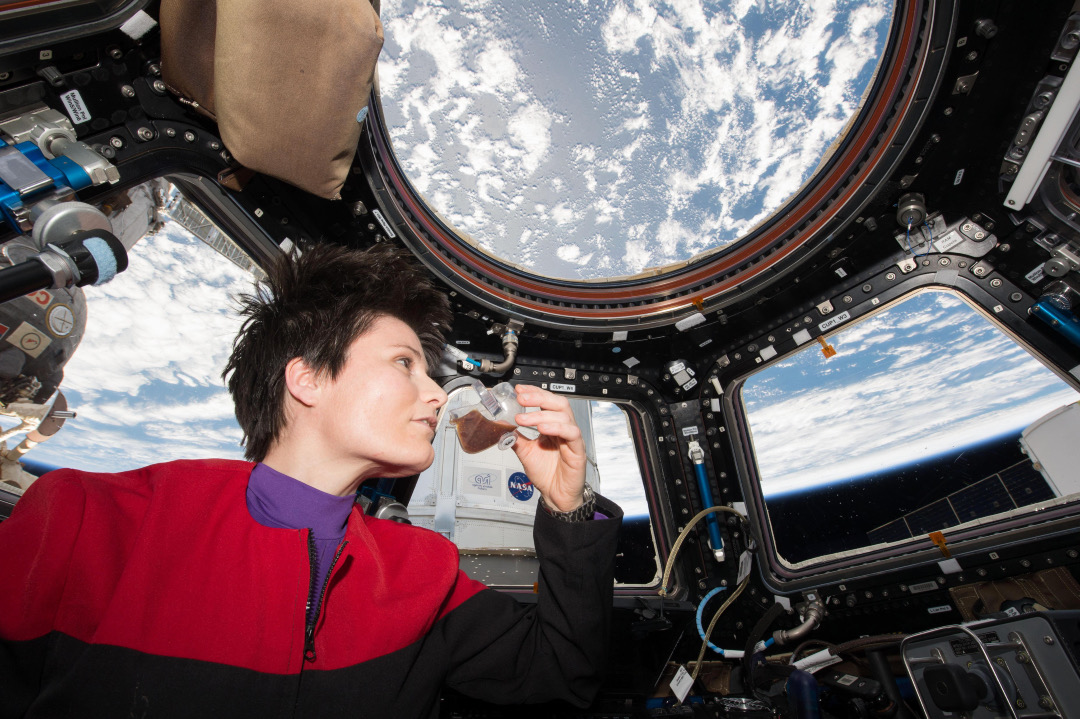
This drinking vessel might exactly be NASA scientists’ cup of tea.
The space agency has spent years designing a Space Cup that enables drinking without any spillage in microgravity, even without a lid. While the usual way of sipping from a straw in a drinking pouch works, it doesn’t beat the comfort of downing your favorite beverage back on Earth. After all, there’s no place like home.
Well, now there’s a cup that can be used in space in pretty much the same way mugs and drinking glasses function back at home. This tiny vessel, shaped somewhat like a milk jug, is built on the properties of fluid dynamics to mimic the role of gravity in drinking on Earth.
In a recent video, astronaut Nicole Mann demonstrates how hot cappuccino can be enjoyed on the International Space Station (ISS), mess-free, when she pipes the drink into the cup, which retains sophisticated technology to hold the liquid in. The method was invented and patented, in 2011, by astronaut Don Pettit, physicist Mark Weislogel, and mathematicians Paul Concus and Robert Finns.
Classic cappuccino, meet the space cup. ☕ðŸ¤
— ISS Research (@ISS_Research) March 2, 2023
This demo shows the Capillary Beverage investigation which studies the process of drinking from specially designed Space Cups that use fluid dynamics to mimic the effect of gravity. https://t.co/xFGFTva2Bw pic.twitter.com/M7TQmIwlrC
Although Mann gives the Space Cup a full 360° spin, the coffee doesn’t flow out until it’s ready for consumption.
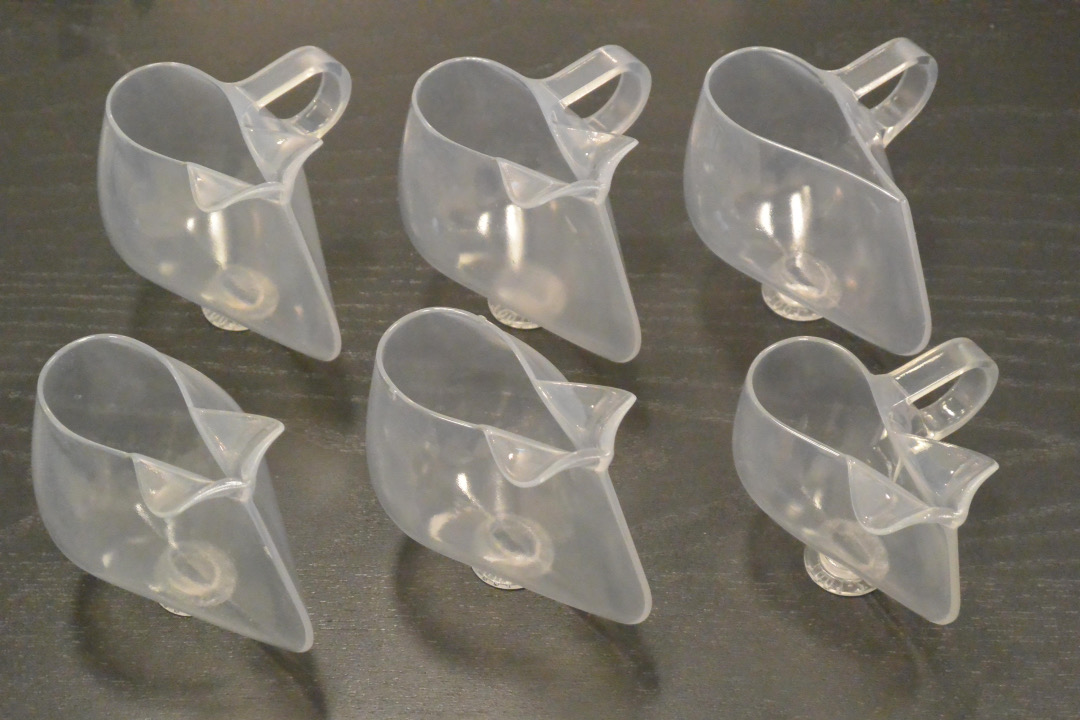
As explained by NASA, the unique cup draws from the effects of surface tension; wetting, which is how a liquid interacts with a solid surface; and container geometry.
The liquid is pulled into the mouth via capillary action, which occurs because water is made up of molecules that stay together, therefore making it “sticky.” The phenomenon is most easily observed with “simple fluids” like water and juice, while nice comforting beverages like cocoa, espresso, coffee, and fruit smoothies are deemed as more complex.
According to Mashable, citing a study published in the Nature Microgravity journal last year, the cup includes at least one channel from the base to the mouth. Capillary action pulls the drink along this channel, keeping the liquid to the wall of the cup, and draws it to the rim.
Only a small amount flows into the channel, while the rest of the drink is held down by capillary forces.
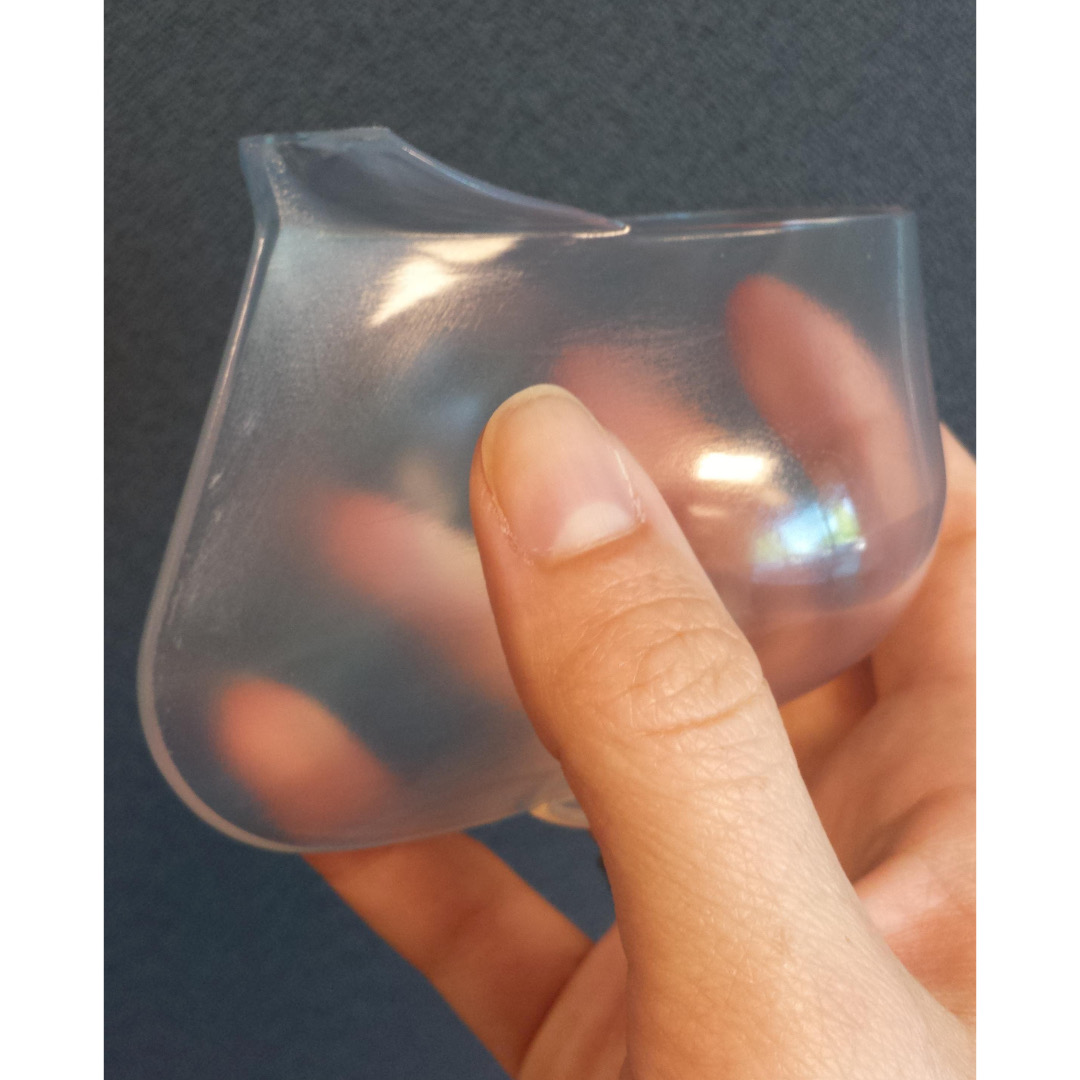
To enjoy their beverage, astronauts simply need to put their lips onto the narrow end of the Space Cup, which prompts the fluids to automatically be pulled into their mouths.
They can also control the size of their sip or gulp by adjusting their mouth shape and suction level.
It’s not just the convenient way to drink in zero gravity that’s worth toasting to. NASA posits that this deceptively simple technique could offer some answers to how fluid systems can effectively be designed for spacecraft, and even for technology on Earth.
“Microgravity allows researchers to study the physics of our universe, from the properties of metals to atoms, through a completely new lens. Research on the space station is revealing fundamental science that can change our lives on Earth,” the space agency details.
Observing how fluids work in weightless environments can help humans perfect design for things like shampoo bottles and even critical models like life-support systems too, notes NASA.


