
Human Remains Buried In Paint Of ‘Liberty Leading The People’ & Other Artwork

When you die, where would you have your remains go? Would you be scattered at sea, buried underground, or transformed into jewelry for loved ones? As it seems, history had a fourth option: grinding them up into ‘Mummy Brown’ pigment.
As detailed by IFLScience, Mummy Brown was popular among European painters as far back as the 16th century, thanks to its unique transparency and versatility in shadow work, flesh tones, and glazing in oils and watercolors. Its secret, as it turns out, was that it contained real flesh tones.
Manufacturers created Mummy Brown from actual mummified remains of cats and humans imported from Egypt. The macabre material was then ground up into a powder to—shadily—aid shading.
I see dead people
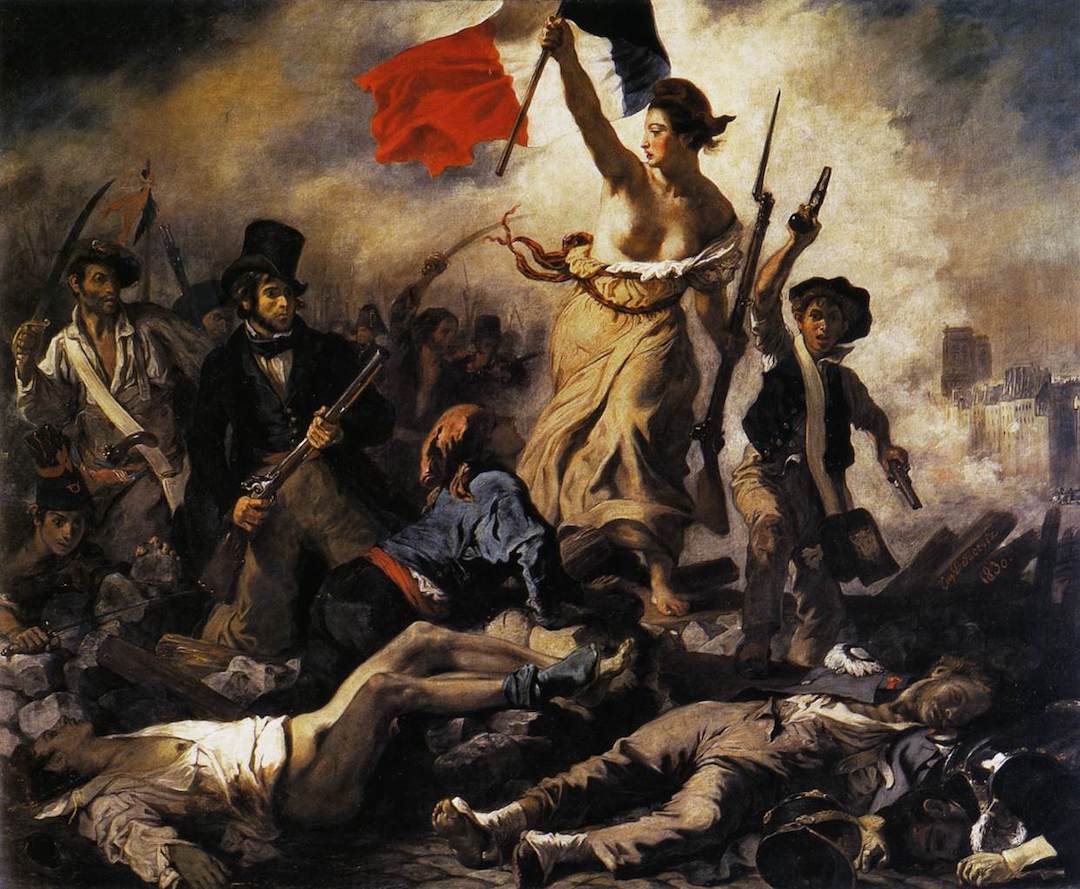
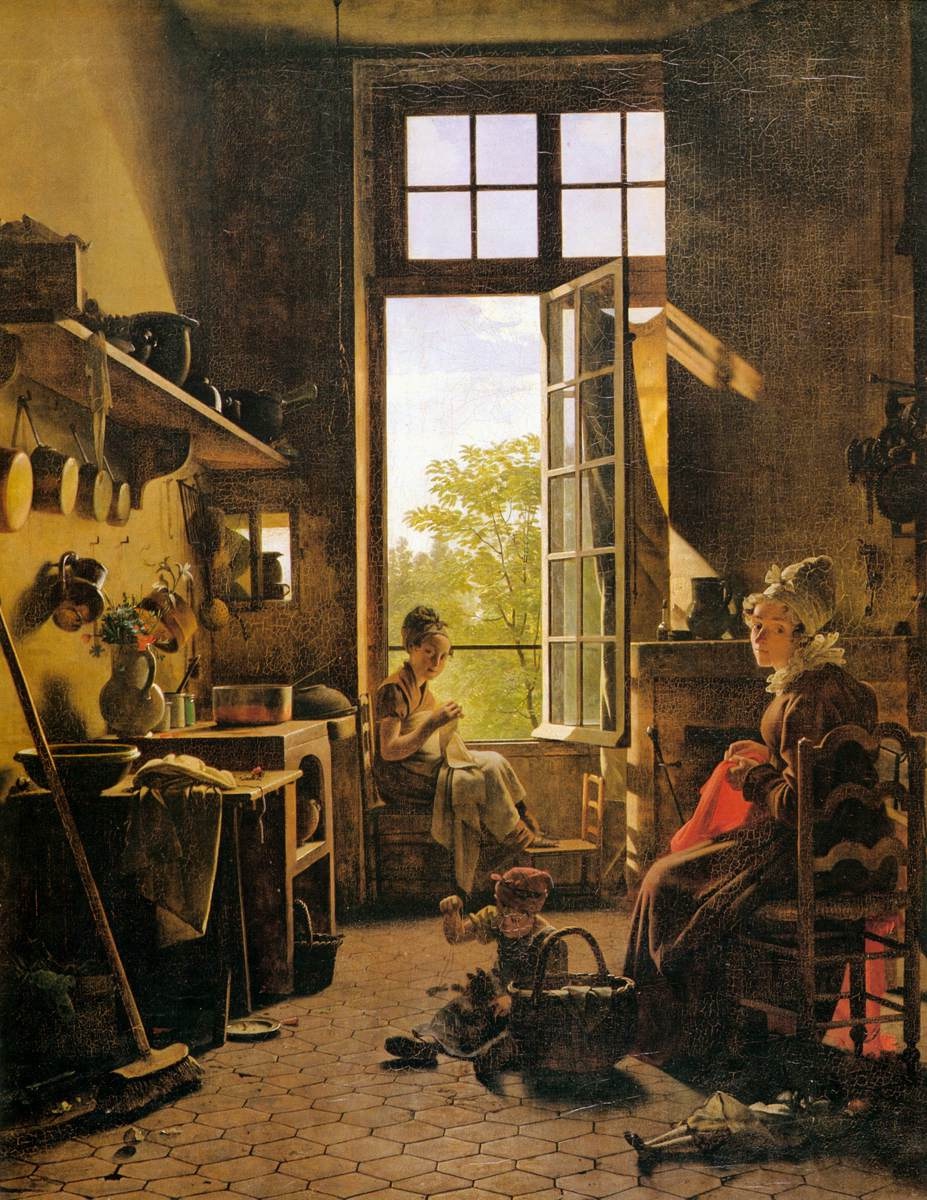
Mummy Brown famously lies within Eugène Delacroix’s Liberty Leading The People, which ironically contains the liberated traces of dead people. It’s also seen in abundance in Martin Drolling’s Interior of a Kitchen. Both works reside at the Louvre in Paris, a de facto Egyptian tomb.
The ingredient was also used to make medicines, and it is said that early versions of Mummy Brown paint were derived from such treatments. These complementary products were often sold side by side at apothecaries.
As recipes and techniques for Mummy Brown vastly differed from one another, experts cannot ascertain which other paintings contain traces of dead bodies. In fact, the “characteristic molecules” pointing to “mammalian origin” would likely be too small for examination, explained Alan Phenix, scientist and head of Treatment Studies research at the Getty Conservation Institute (via National Geographic).
However, Delacroix, Edward Burne-Jones, and William Beechey have been known to purchase the grisly brown—though it’s unclear if they were aware of its dark underpinnings. According to Art UK, when Burne-Jones learned about the mysterious source of the paint, he became “utterly distressed” and put his paints to rest at a self-initiated ceremonial burial.
By the 20th century, Mummy Brown fell sharply in favor as people discovered how its origin (they were “literally deceased” by the revelation, as today’s youths would say).
In the present day, the dubious ingredient has been left for dead. In its wake is a modernized Mummy Brown paint constructed from a clay mineral called kaolinite, quartz, and goethite and hematite from the soil.
[via IFLScience and National Geographic, images via various sources]


