
‘Responsive’ 3D-Printed Pavilion Can Be Easily Adapted To Different Climates

Design studio Hassell has teamed up with to.org, a platform championing philanthropy and creative space through venture capital, to come up with an off-the-grid 3D-printed pavilion made entirely out of recycled plastic.
Together with the printing design studio Nagami, the team sought inspiration from indigenous shelters when coming up with the prototype structure, which can eventually be modified to suit a variety of climates and settings.
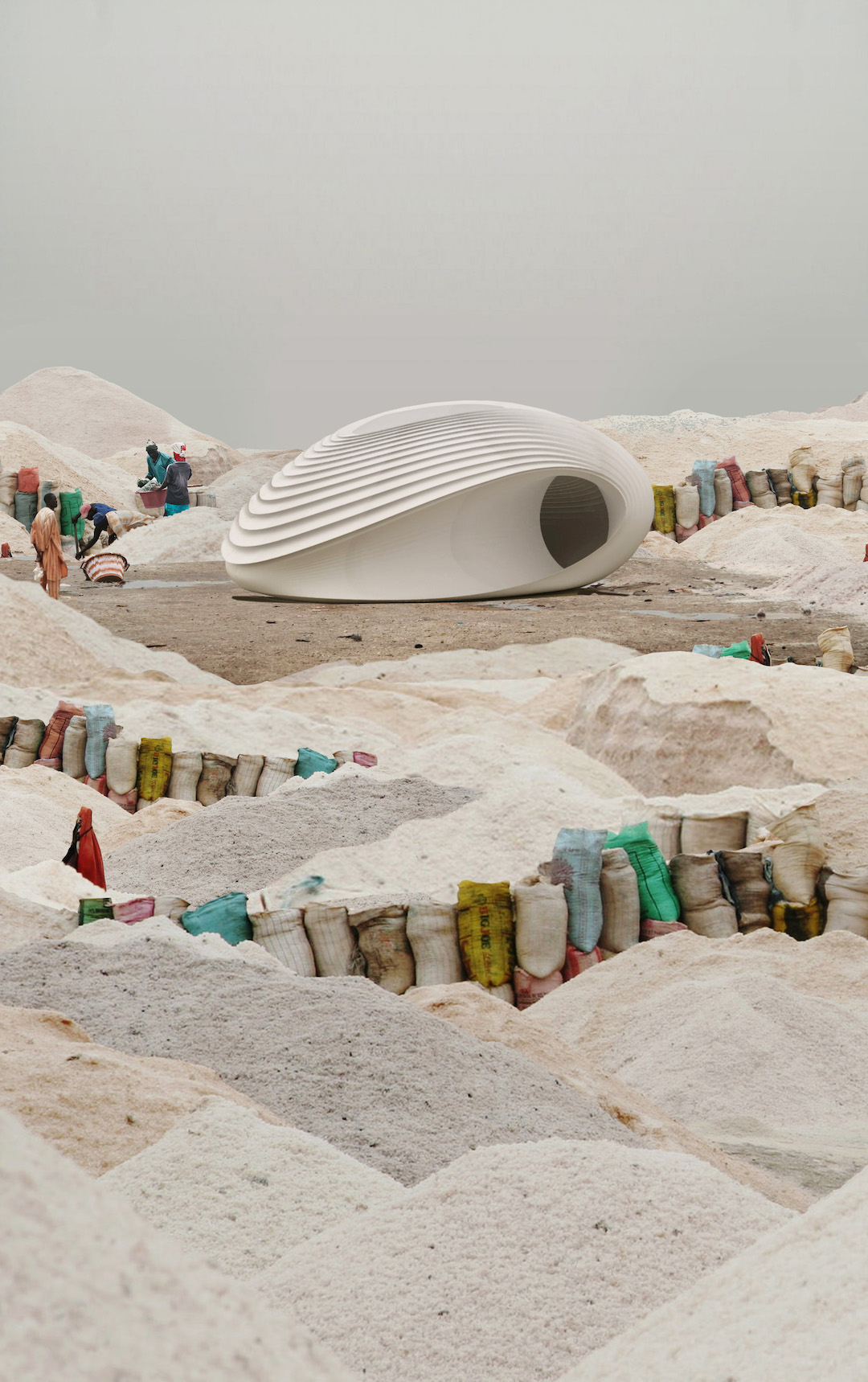
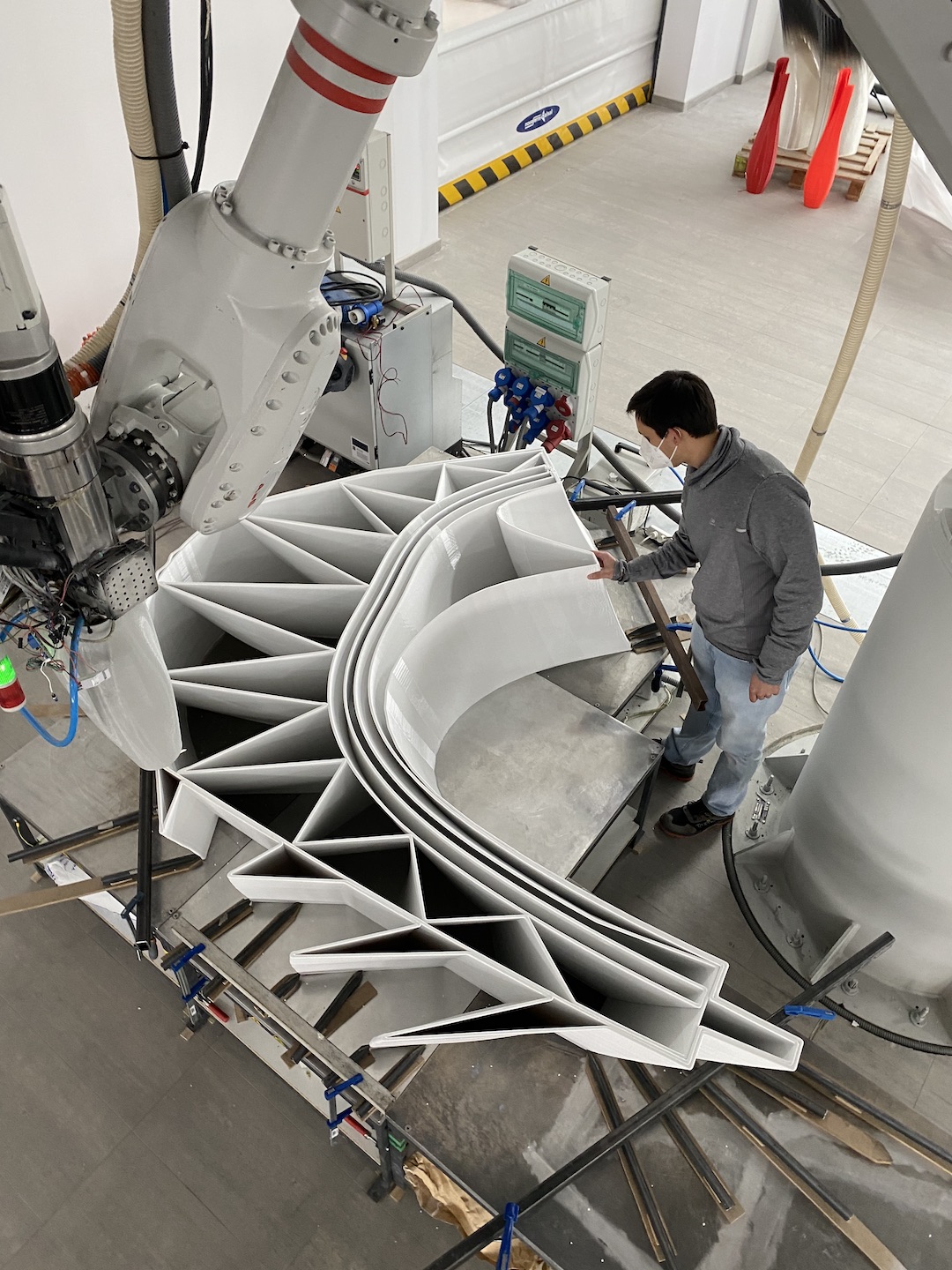
The entire building—which was produced solely through 3D printing—was created using computation techniques, which according to a statement, allows for the pavilion to be customized for different regions at no extra cost.
In essence, the pavilion hopes to serve as a gathering point for reflection and education, with the designers looking to expand the series across the globe to encourage conversations about material waste and how technology can solve it.
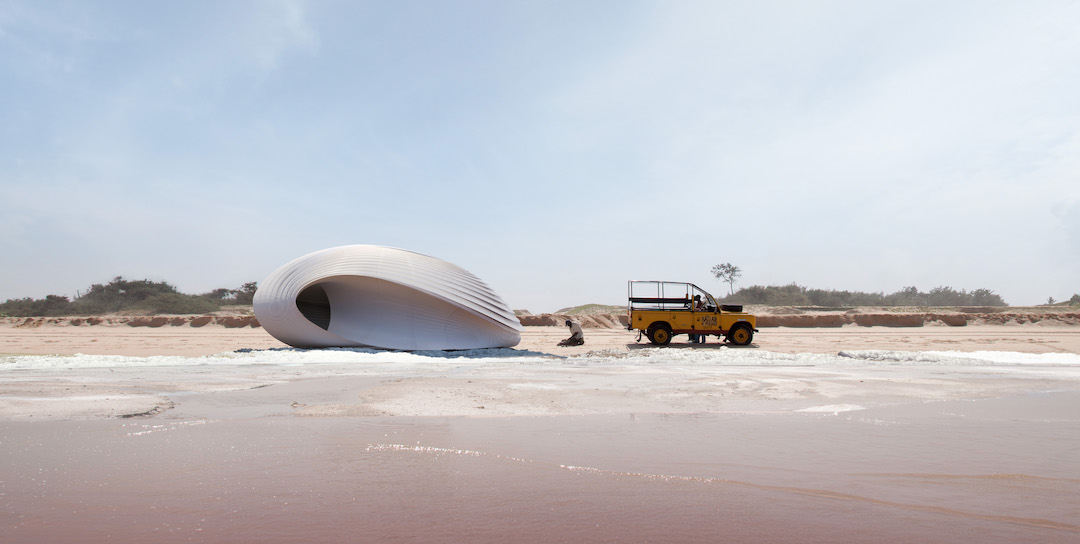
As per the team, the pavilion was purposefully designed to be easily transported and assembled on-site, with the main structure only made up of 24 separate pieces.
Pushing the boundaries of 3D-printing in the form of full-scale functional architecture, the pavilion allows designers to have more freedom when it comes to dreaming up different shapes for the structures.
Plus, due to the technology, architects can quickly think of climate-sensitive responses by adapting existing structures for a range of environments and even planetary settings—so one day, the pavilion may make an appearance on Mars.
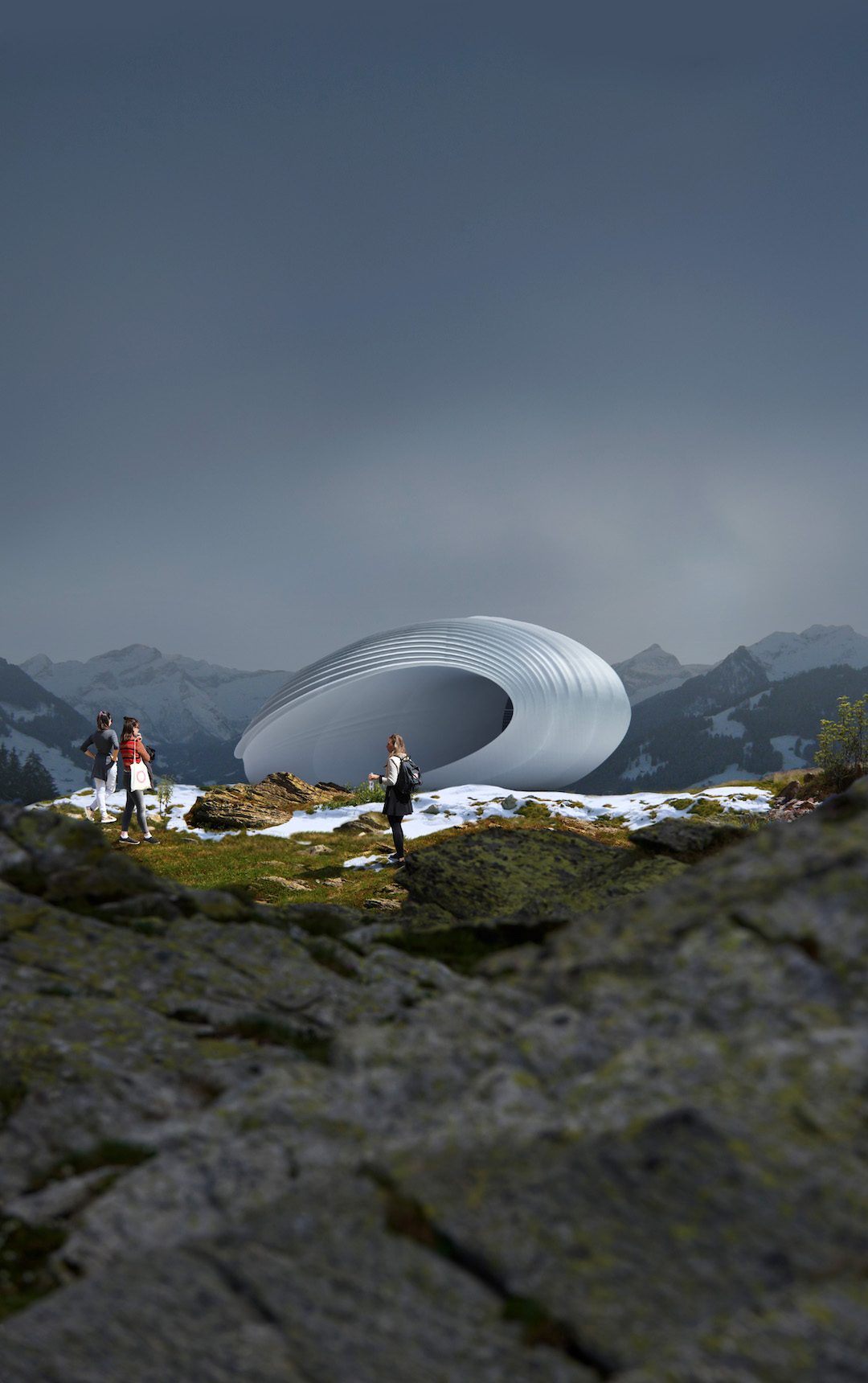
For example, in colder climates, the pavilion will be “hermetically closed,” with an outer skin lined with fins to capture snow and encourage insulation. This idea was taken from how Inuits often constructed their dwellings, known as Qarmaq.
“We wanted a pavilion that will be able to exist completely off the grid and adapt to local climatic challenges and conditions to create as low as possible embodied and operational carbon footprint,” said Xavier De Kestelier, Head of Design at Hassell.

[via 3D Printing Industry and Building Design, images by Hassell and featured with permission]


