
Ancient Roman Burial Sites May Have Used Bent Nails To Keep Dead From Rising
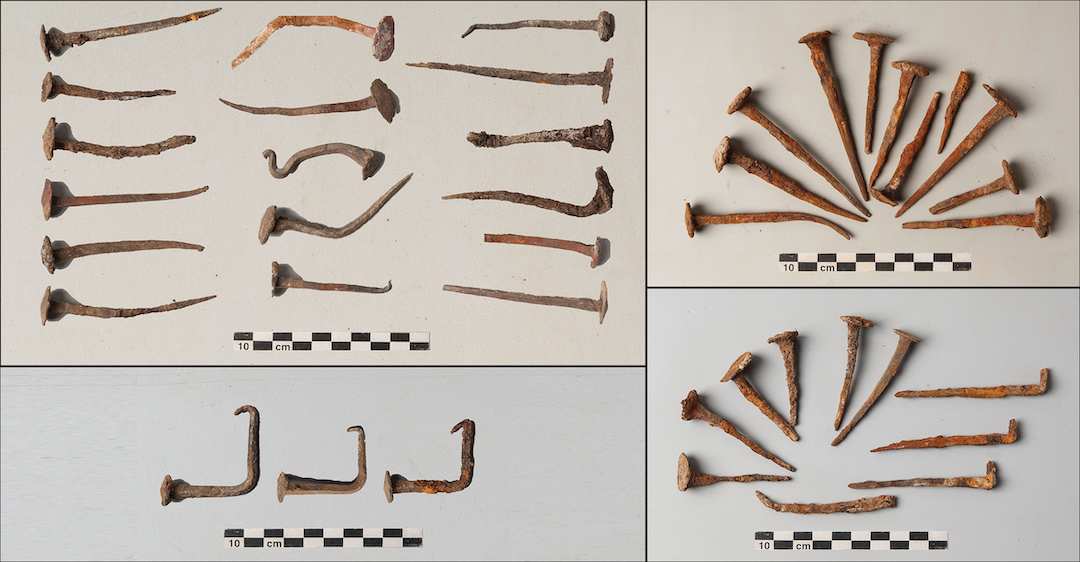
Archaeologists at the University of Cambridge have recently discovered evidence of a fascinating funerary practice at an ancient Roman tomb, where several dozen bent and twisted nails were left behind around burnt remains.
Unlike the typical cremation method of burning the remains on a funeral pyre and relocating the ashes to a burial site, it appears the remnants were left in place, before being covered in brick tiles and a layer of lime.
According to a study on the matter, the scientists posit that the ritual could have been a show of magical thinking—in particular, an attempt to prevent the dead from rising from the grave.
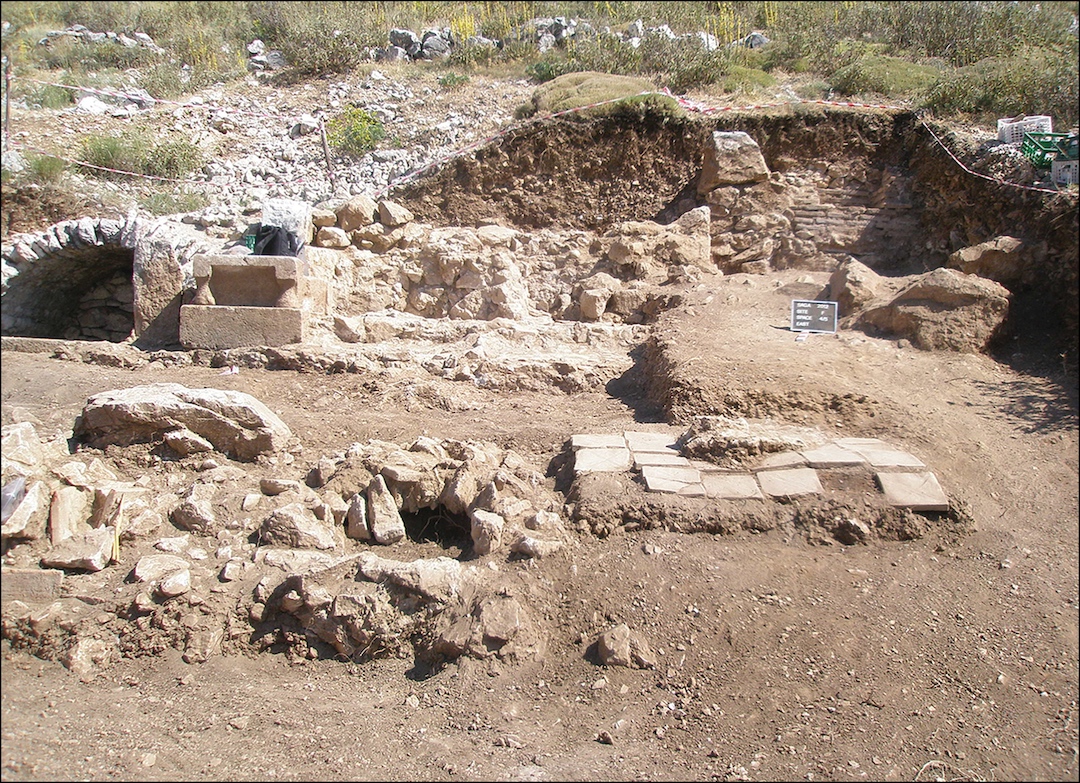
As Ars Technica pointed out, a common example of such a practice is the “vampire” burials that are found at certain archaeological sites across the globe. This time, the tomb was found in an area of the Sagalassos site in southwest Turkey.
At the imperial tomb, which was first discovered in 1990, researchers found nails scattered within a rectangular patch of burnt soil, which comprised a funeral pyre, charcoal fragments, and burnt human bones.
It’s estimated that the person buried at the site was a male around the age of 18, who was laid to rest alongside a coin from the 2nd century, several ceramic vessels from the 1st century, two blown-glass urns, and an unidentified bone object.
What attracted the scientists’ attention were the 41 broken and bent nails, of which 25 were bent at a 90° angle with the heads removed and the remaining 16 twisted but still intact.
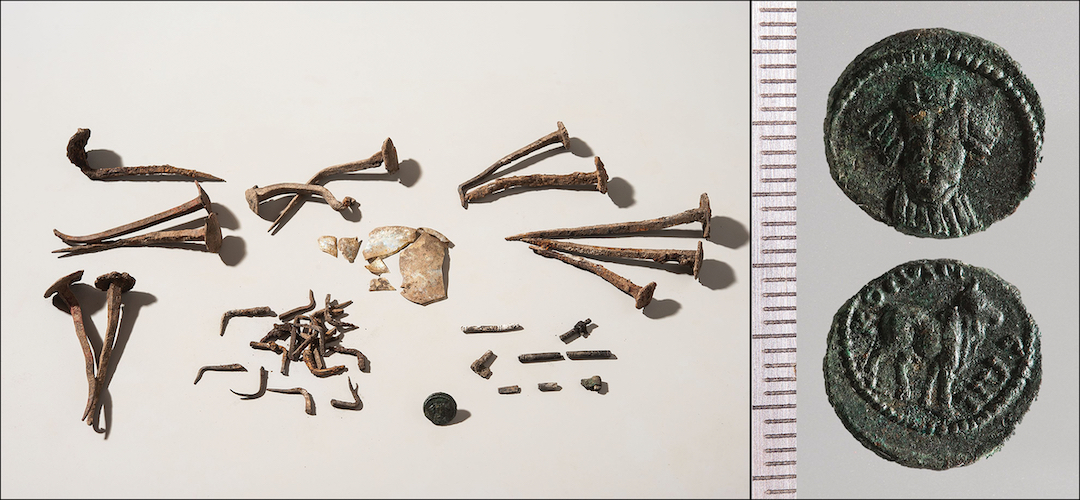
After further inspection, the team concluded that the nails did not come from the coffin nor were used in constructing the funeral pyre, hence leading to the conclusion that the nails were deliberately left behind as a “magical barrier” of sorts.
Marco Milella, a research fellow at the University of Bern, told Live Science he agreed with the conclusion, given that nails have previously been found at Western European cemeteries in the first and second centuries.
He finds the way the remains were sealed interesting, given its proximity with “the deposition of nails,” remarking that the tools could’ve been left behind to prevent the dead from rising, as amulets to protect the dead, or both.
[via Ars Technica and Live Science, images via Sagalassos Archaeological Research Project (CC BY 4.0)]


