
Gigapixel Microscope Stitches Together 52 Lenses To View Life In Extreme Detail
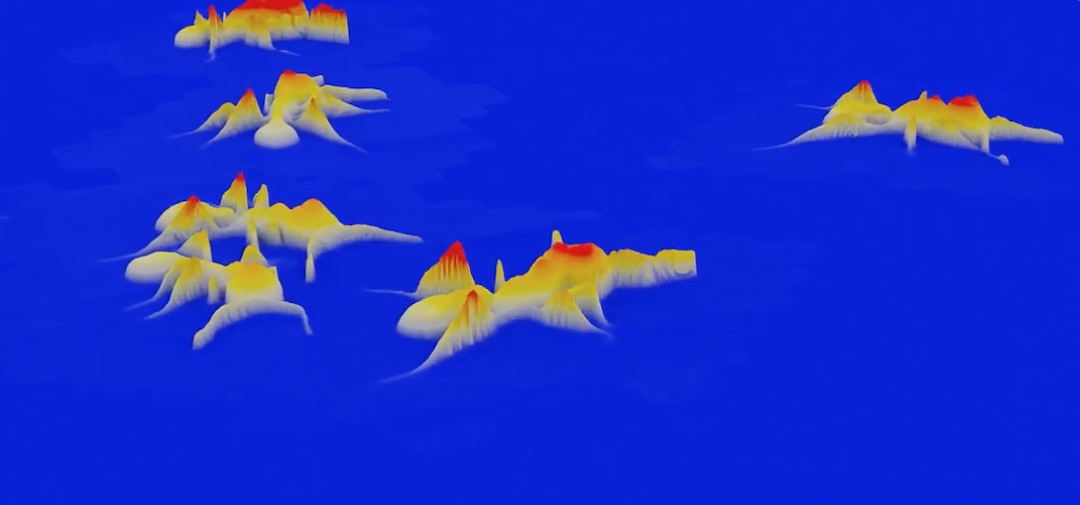
Duke University is looking at life through a new lens. Well, 54 new lenses, to be exact. A team of academics from the school has developed a new microscope to view life in extreme detail and capture 3D images and videos.
The Multi Camera Array Microscope (MCAM) utilizes dozens of lenses to capture photos of a subject at different angles. The renders are then stitched together to create one large picture with a resolution on the gigapixel scale.
This is 50 to 100 times more detailed than the average smartphone camera can take. Thanks to its multitude of perspectives, it builds a 3D image.
Check out the video below to see it in action.
While in testing, the research published in Nature Photonics showed different groups viewing ants, fruit flies, and zebrafish at a cellular level. The team witnessed the fruit flies grooming each other and how the fish responded to neuroactive drugs.
The results were also caught as videos over an area of 21 inches square and at a rate of 230 frames per second. The large amount of data called for machine-learning algorithms to process the renders.
According to the team, this discovery could revolutionize how we observe cell cultures and detect changes in them earlier than other instruments. Additionally, it could be used to authenticate fine art and collectibles by creating a unique “fingerprint” and monitoring them for forgeries.
[via New Atlas and Duke University, screenshot via Duke University]


