
This ‘Biohybrid’ Implant May Restore Function In Paralyzed, Amputated Limbs
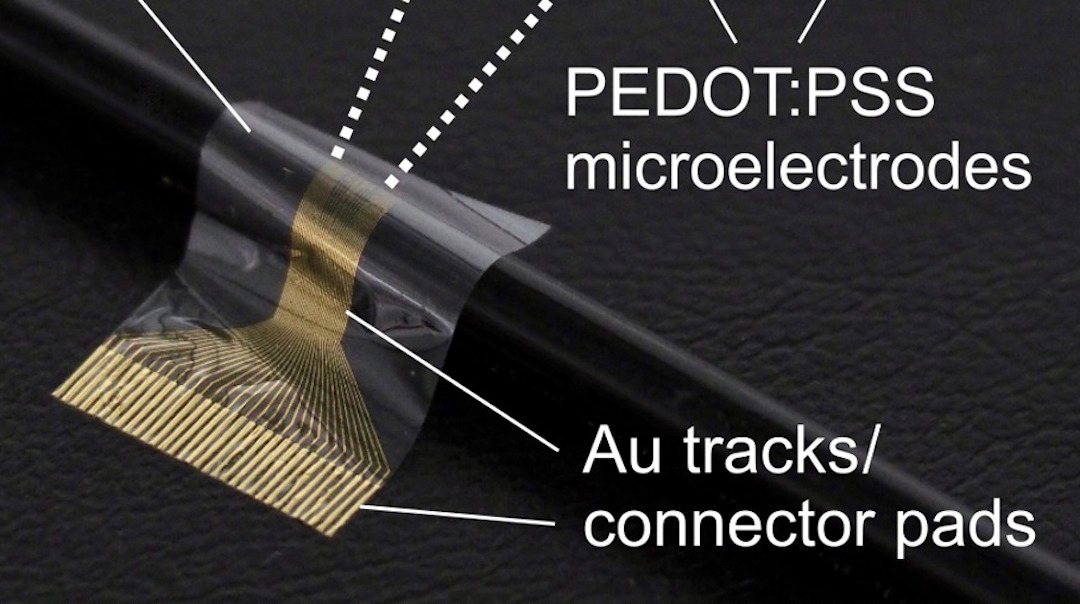
Scientists at the University of Cambridge may have figured out an innovative way of restoring functionality to paralyzed or amputated limbs, helping to reconnect the signals that remain in arms or legs with a “biohybrid” neural implant.
According to the researchers, the newly-developed device has proven to be more effective than electronic-only implants, which usually fail to connect “without healthy working cells to interface.” Similarly, transplanted neurons struggle to function without “proper guidance.”
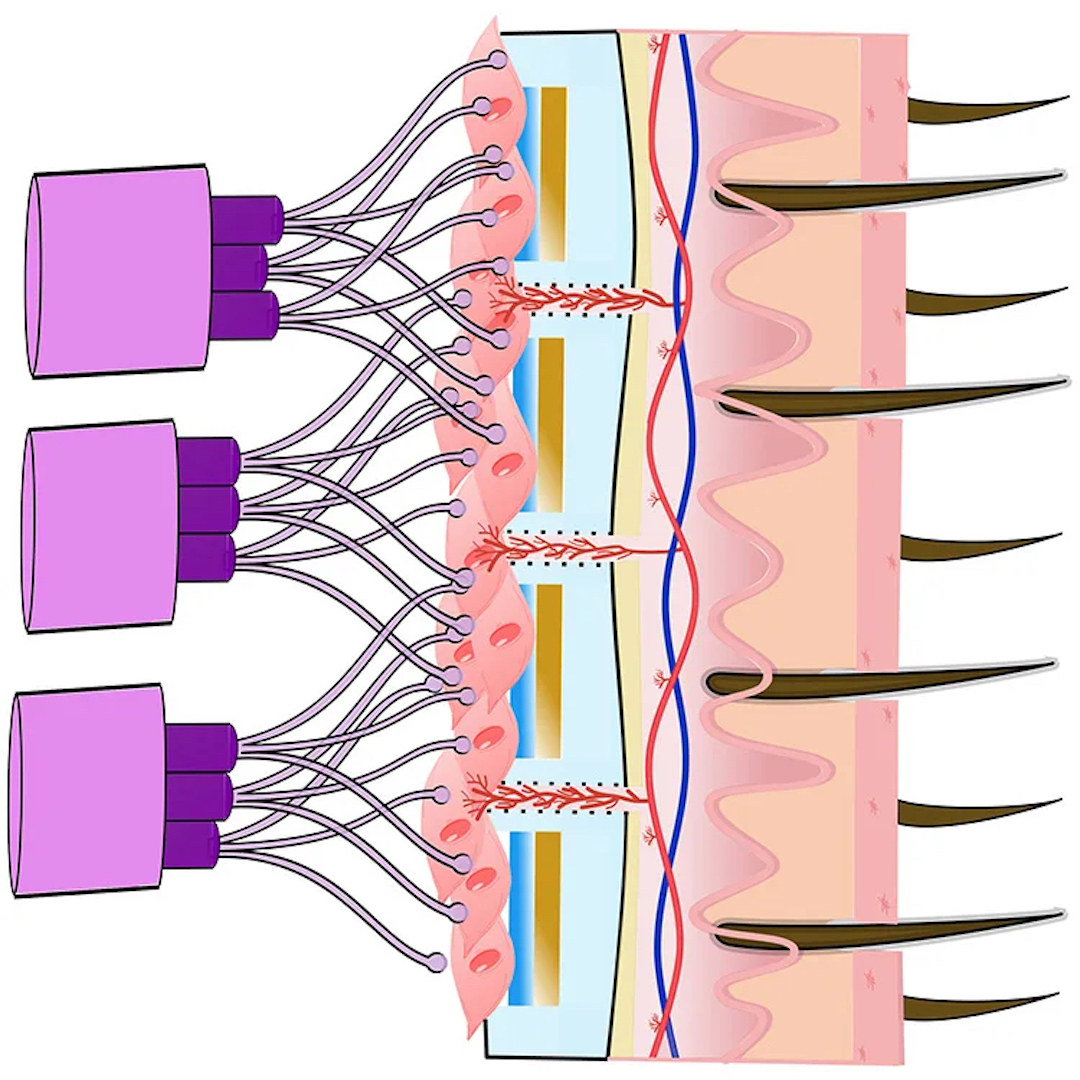
As such, the team came up with a gadget that merges both flexible electronics with stem cells, adding a layer of muscle cells between the electronic circuit and living tissue that will help “rewire” the severed connection between the brain and nerves.

To achieve this, scientists developed a thin, flexible microelectrode array on which they grew a culture of induced pluripotent stem cells derived from human skin or blood. These cells can then be grown into different kinds of cells that match the limb in question.
Dr Damiano Barone, a co-author of the study, explained that both elements of the device work together as one—with the electronic circuit reducing interference from the body’s immune response, and the muscle cells allowing for improved spatial resolution.
To test the gadget, the team conducted an experiment on paralyzed limbs of rats. While none of the subjects were able to have movement restored in the implanted paw, the system picked up an increasing rate of neural activity from their brains.
The researchers said the signals received from the device were “more than from any other device,” and though it’s yet to be perfected, the gadget has been designed to be as minimally invasive as possible as compared to other methods which are far more complex.
Despite the fact that the gadget is unlikely to make an appearance in a human any time soon, the scientists believe they’ve made a “huge first step” toward developing successful restorative bioelectronic therapies for those who’ve lost the function of their limbs.
“We’ve created a system that can communicate with the brain in a more natural and intuitive way, opening up new possibilities for prosthetics, brain-machine interfaces, and even enhancing cognitive abilities,” concluded co-author Amy Rochford.
[via Courthouse News Service and Medical Xpress, images via Rochford et al / Science Advances (CC BY 4.0)]


