
Levi’s Is Testing AI-Generated Fashion Models As Diverse Backups For Humans
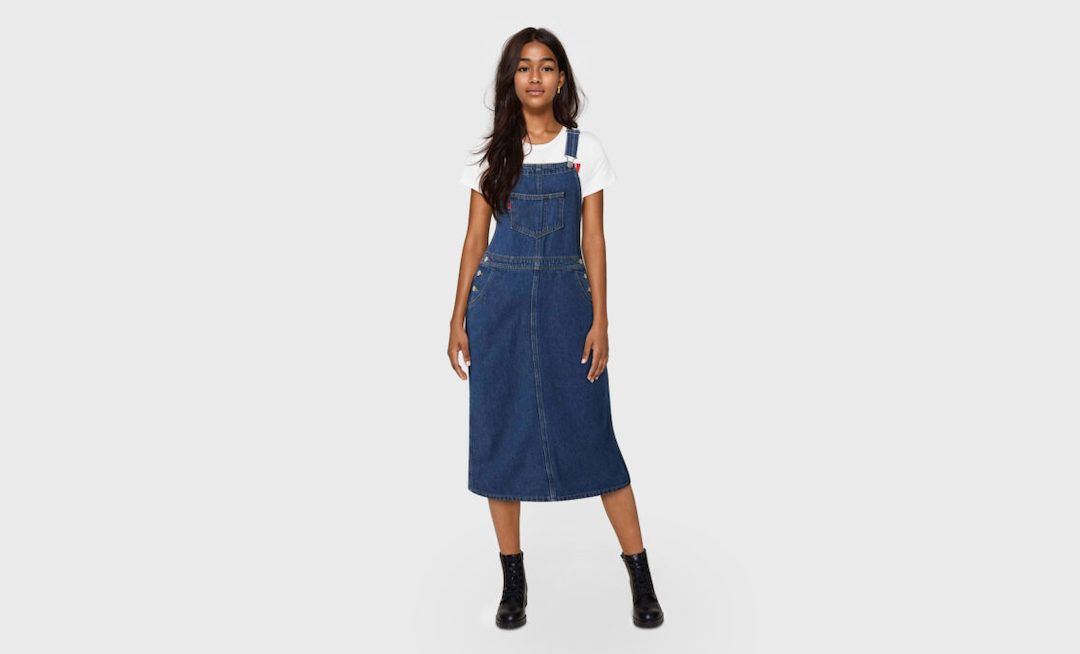
Levi’s size-inclusive jeans will fit the waists of artificial humans too—but don’t worry, they’re not replacing people anytime soon.
As people and artificial intelligence begin to co-exist, the company is teaming up with digital fashion studio Lalaland.ai to potentially cast photorealistic virtual avatars to join its roster of human models, with the hopes of introducing more faces and body types its diverse customers can deeply resonate with.
As it stands, there’s usually just one model per product shoot on Levi.com or the app, Levi’s explains. It now foresees these listings becoming far more inclusive to the point where shoppers might recognize themselves in the photos.
“We know our customers want to shop with models who look like them, and we believe our models should reflect our consumers,” the denim giant notes in a press release.
Levi’s says tests for AI-generated models will roll out this year.
The brand is quick to emphasize that human talents won’t be out of jobs when it recruits digital counterparts. Rather, AI-generated people will “supplement” its availability of fashion models to represent many more sizes, body types, skin tones, and ages. Levi’s adds that it is “continuing to diversify our human models in terms of size and body type, age, and skin color.”
Amy Gershkoff Bolles, Levi’s global head of digital, tells Business of Fashion that it would be “impossible” for the company to cover all walks of life in human casting, and that’s where Lalaland.ai’s models will step in.
Levi’s clarifies that the integration of AI will bring it closer to a future “where we can enable customers to see our products on more models that look like themselves, creating a more personal and inclusive shopping experience.”
“It’s important to note we do not see AI-generated models as a sole solution. In fact, over the past year, we’ve been focused on ensuring that not only is our work diverse, but those working on the content both in front of and behind the camera are reflective of our broad consumer base—and we’re continuing to do just that,” the brand reiterates.
Levi’s hasn’t decided how it will fully utilize these AI fashion models. It’s still contemplating whether to augment existing product listings with more than one model, or if it should place customization into the hands of users so that they can create avatars that look just like them.
“While AI will likely never fully replace human models for us, we are excited for the potential capabilities this may afford us for the consumer experience,” Bolles elaborates. “We see fashion and technology as both an art and a science, and we’re thrilled to be partnering with Lalaland.ai, a company with such high-quality technology that can help us continue on our journey for a more diverse and inclusive customer experience.”
[via Business of Fashion and Sourcing Journal, cover image via Levi Strauss & Co]


