
Powerful Webb Telescope Spots Dust Storm On Planet Outside Our Solar System
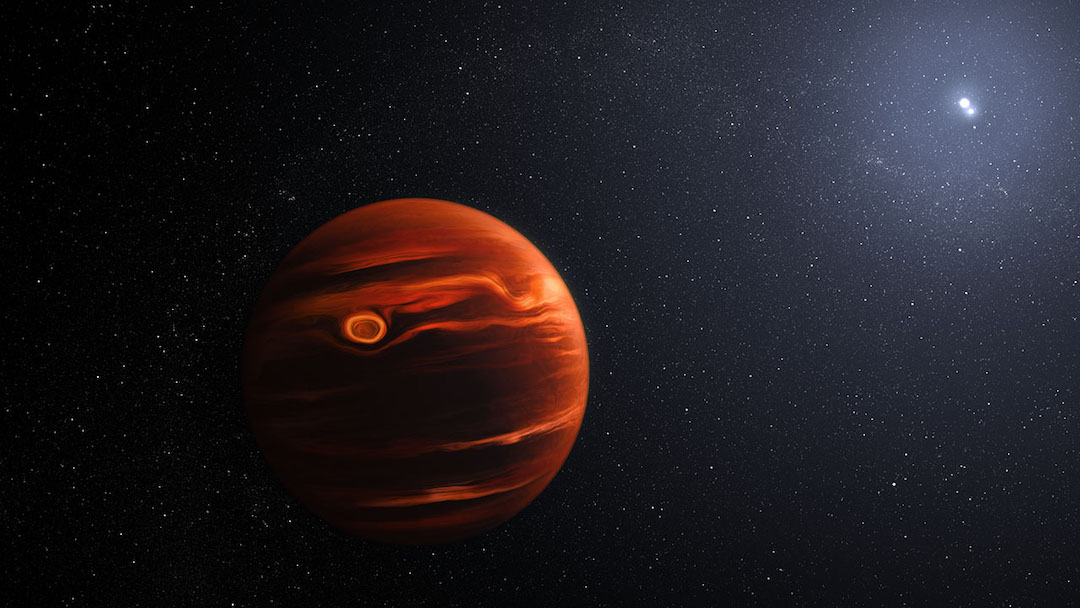
In another breakthrough by the James Webb Space Telescope, the ultra-powerful gadget recently detected a dust storm outside of our solar system for the first time ever—on a “massive brown dwarf” exoplanet situated an estimated 40 lightyears away.
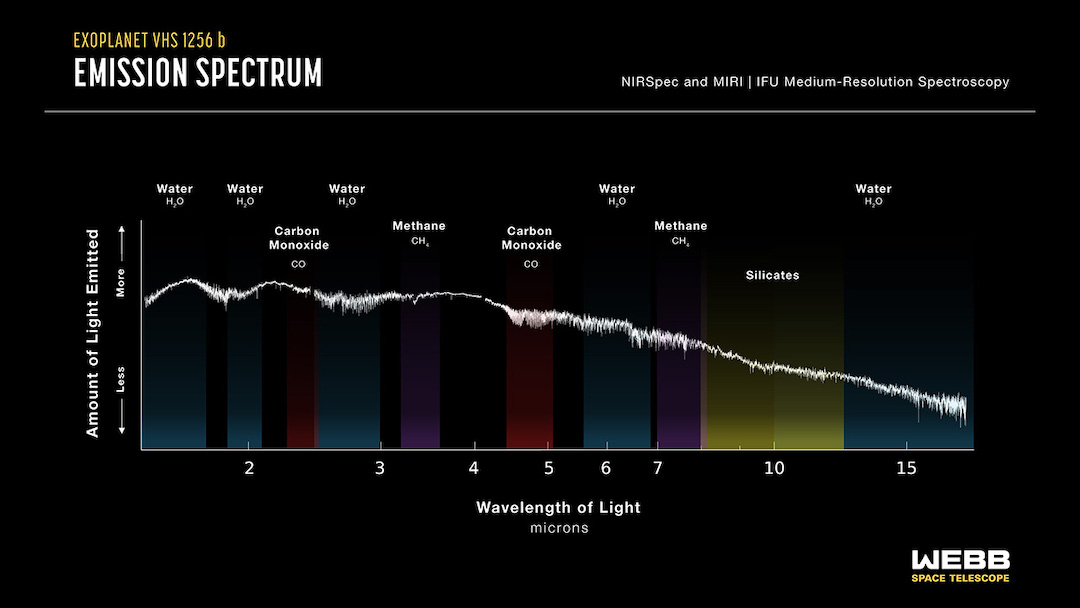
It appears the volatile conditions in the atmosphere of planet VHS 1256 b (say that three times fast) feel akin to having hot sand whip across your face, as its clouds are made up of silicate particles that range from fine specks to small grains. Ouch.
From its observations, the team predicts that when the silicates in the clouds get too heavy from time to time, they begin to rain onto the planet, which apparently houses water, methane, carbon monoxide, and evidence of carbon dioxide.
During its 22-hour day, VHS 1256 b’s atmosphere constantly mixes and swirls, causing the hotter material to rise up. This results in a change of brightness that is so dramatic the researchers think it is the most variable planetary-mass object known to date.
Scientists posit one of the reasons the planet’s skies are so turbulent is because of its young age, formed only 150 million years ago. Over the next billions of years, the celestial body will change and cool, bringing about a more settled atmosphere.
As a display of the Webb Telescope’s prowess, this is the first time a device has identified so many features for a single target at once, and going forward, the researchers plan to make the most of its high-resolution infrared data to learn much more about VHS 1256 b.


