
Scientists Are Looking To Clone Extinct Bison That Froze Over 8,000 Years Ago
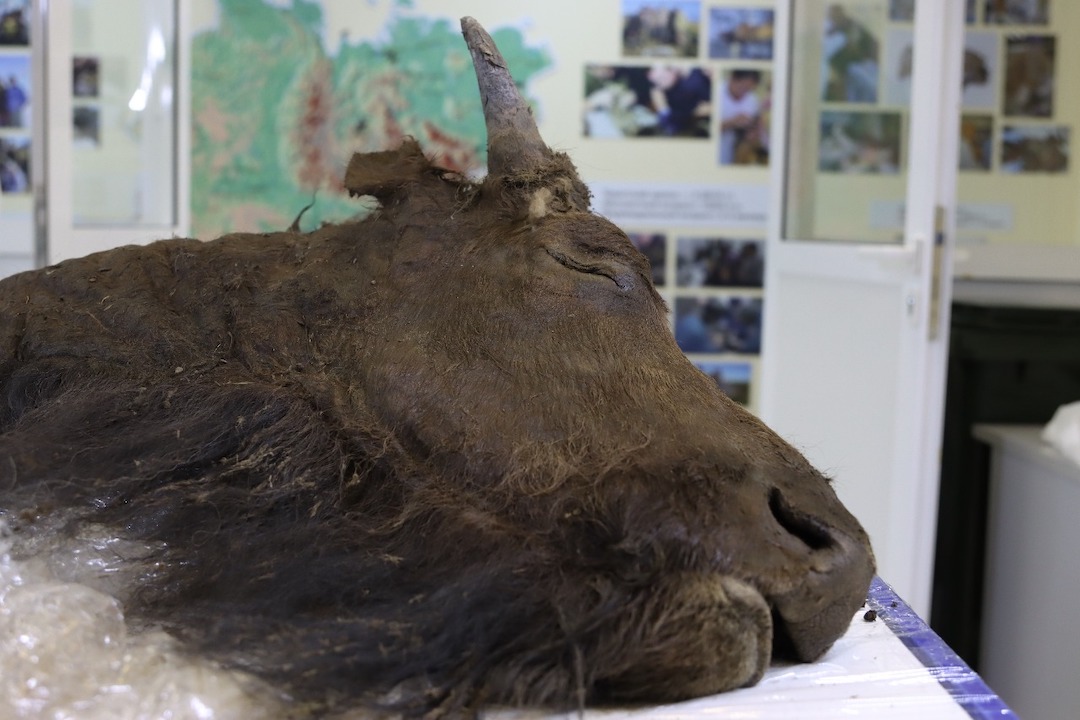
Researchers at the North-Eastern Federal University (NEFU) in Yakutsk, Russia, have recently completed an animal autopsy—known as a necropsy—on a bison that was found encased in Siberian permafrost.
The creature, which is believed to have lived 8,000 to 9,000 years ago, had tissues in its wool, skin, bones, muscles, fat, horns, and brain that were so well preserved that the team believes the mummified specimen could be used to clone the now-extinct beast.

According to Live Science, the scientists’ initial findings revealed that the bison was a juvenile, though its sex remains unknown, and was probably only aged one or two years old when it passed away.
As per Interesting Engineering, the frozen specimen was discovered last year in the Verkhoyansk region at the Khaastaakh locality. It was later donated to the Mammoth Museum at no charge, and the team is planning to revisit the site to search for fossil remains of other animals.
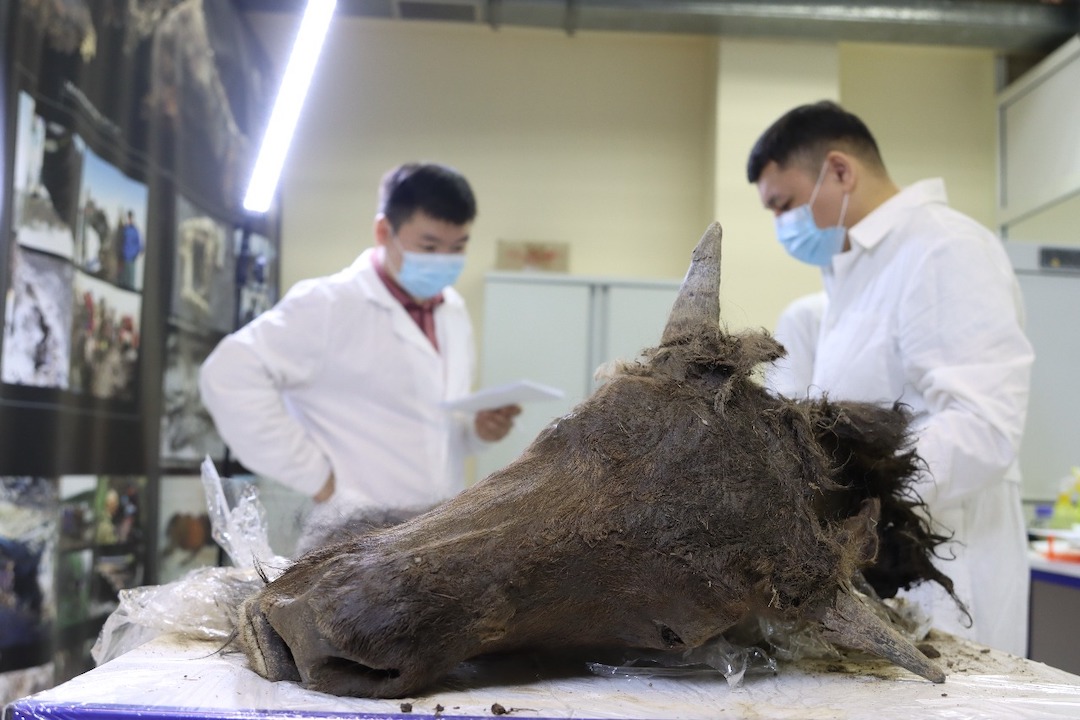
NEFU Professor and Director of the UAE Biotechnology Research Foundation Hwang Woo Sok posited that the “unique find” could one day be cloned “thanks to selected materials.”
However, it’s noted that the scientist had previously been fired from the Seoul National University in South Korea on charges of compromising research results and breaking bioethics rules when he worked on embryonic human stem cells.

Other experts in the field, including paleogeneticist Love Dalén, told Live Science that although the tissues found in the bison were in great condition, the DNA within them was likely “too degraded” for cloning to take place.
Dalén explained that to successfully clone an animal, scientists will need to tap on intact chromosomes, but past experiences have shown that even in the best specimens chromosomes are often “fragmented into millions of pieces.”
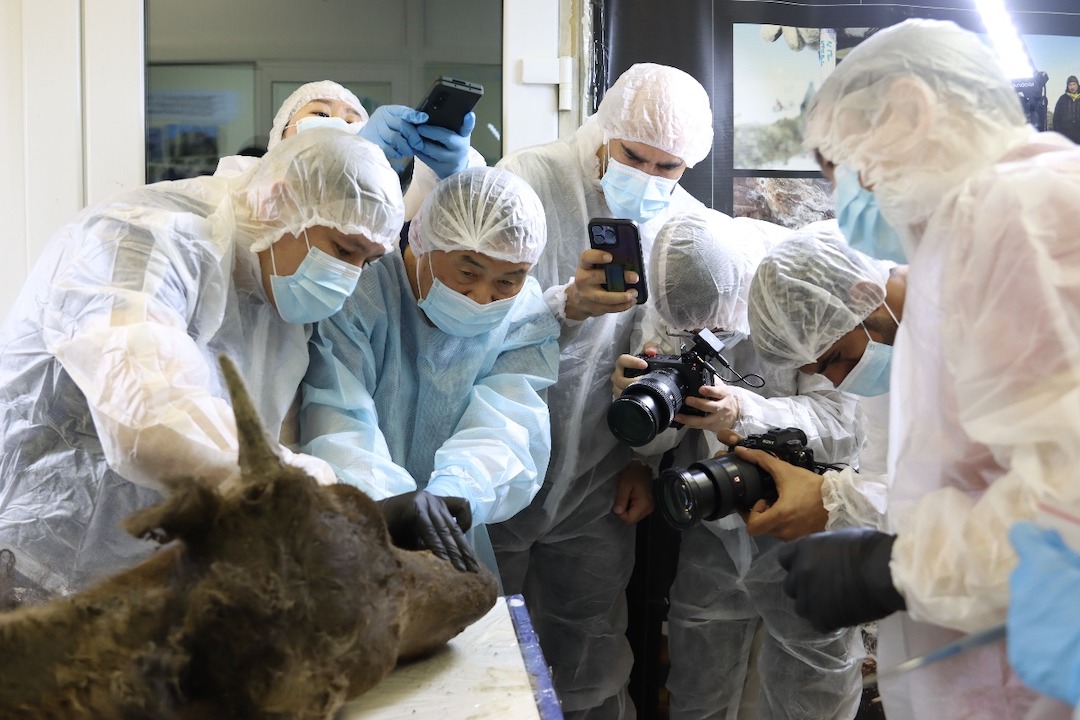
A more realistic solution, whilst still incredibly difficult, would be to sequence a majority of the creature’s genome, which scientists can later combine with other specimens’ DNA to “eventually revive the extinct animal.”
While it seems unlikely that scientists will be able to bring the bison back from centuries of extinction, further research on the project could allow for important information on the animal’s habitat, ecological circumstances, and more to come to light.
[via Live Science and Interesting Engineering, images via North-Eastern Federal University]


