
Long-Extinct Mammoth Meatballs Have Been Revived To One Day Appear At Lunch
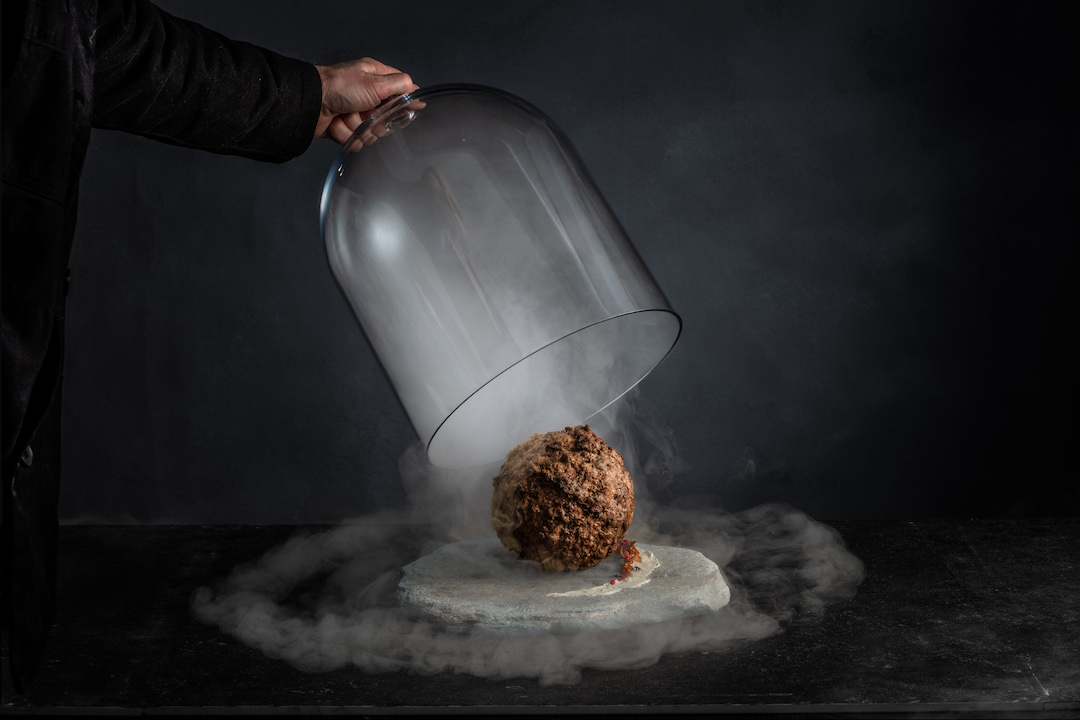
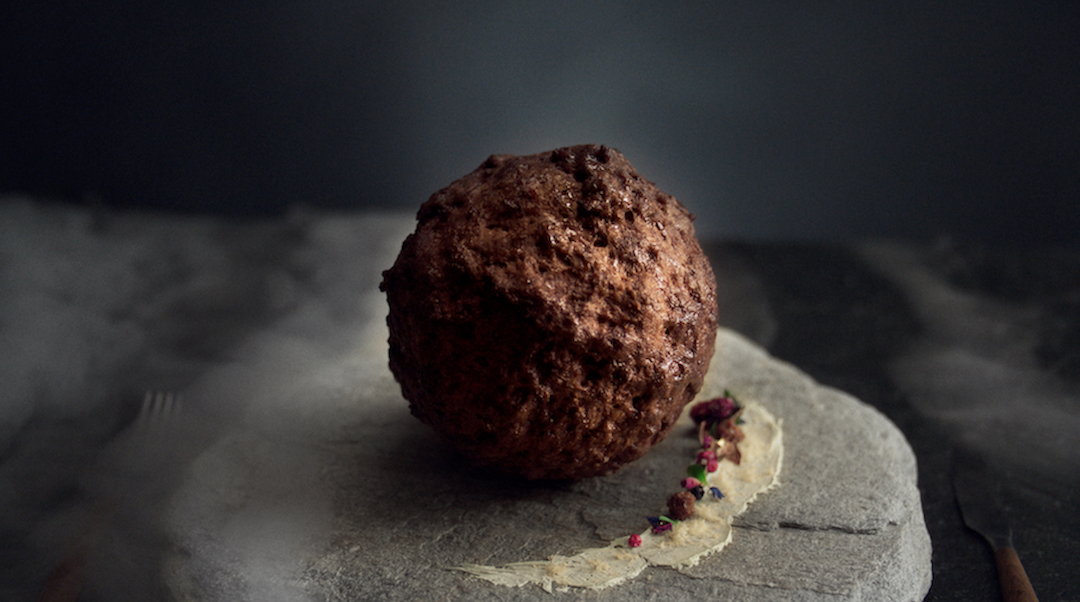
In recent years, scores of meat alternatives have popped up on grocery store shelves, ranging from beef to chicken, fish, and pork. But what about mammoth meat? It turns out Vow, a cultivated meat firm, has revived the long-extinct animal and transformed it into a meatball.
While there doesn’t seem to be great demand for a taste of the furry beast, the company wanted to use the shocking entreé to demonstrate the potential to grow different types of meat from cells, forgoing the need for living animals to go through cruel slaughterhouses.
According to The Guardian, since its foundation, Vow has looked into the possibility of creating meat from over 50 species of animals, including the likes of alpacas, buffalos, crocodiles, kangaroos, peacocks, and various fish.
George Peppou, CEO of Vow, told the publication the overarching aim of its experimental meat was to change the behavior of consumers when it comes to consumption of meat, with the lofty goal of transitioning the few billion meat eaters from conventional meat to lab-created versions.
To achieve this, Peppou feels the best route would be to invent new types of meat, such as a mammoth meatball, through cells that are easy to work with, delicious, and nutritious—then combine those cells together to create “really tasty meat.”
View this post on Instagram
As for why the company decided to tackle mammoth meatballs for this endeavor, Tim Noakesmith, co-founder of Vow, explained that the animal was chosen as a “symbol of diversity loss,” and the shock value that helps kickstart conversations about the future of meat.
The duo partnered with Professor Ernst Wolvetang from the University of Queensland to create the mammoth muscle protein. He used the DNA sequence from mammoth myoglobin—a key muscle protein that gives meat its flavor—before mixing it with elephant DNA.
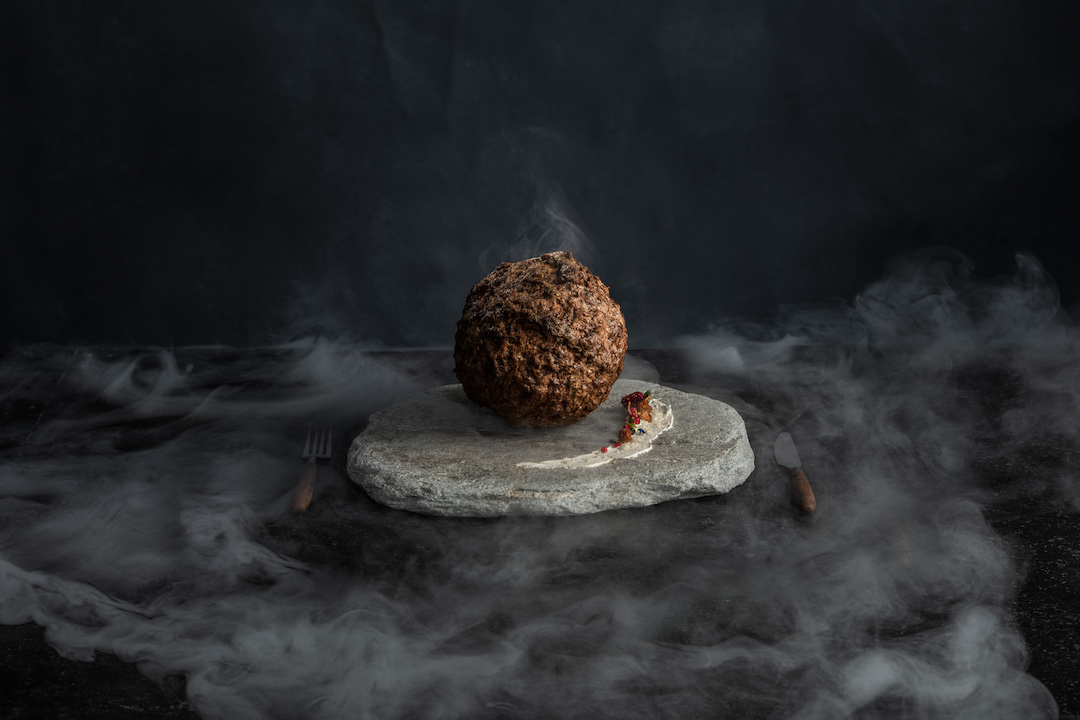
Then, the entire sequence was placed in myoblast stem cells gathered from a sheep, and replicated to grow to the 20 billion cells needed to finally form the mammoth meat, which was finally turned into edible meatballs.
The big question: How does a mammoth meatball taste? Well, Wolvetang admitted that no one has eaten the rare dish just yet, as it’s hard to predict how human immune systems would react to a protein that hasn’t been ingested for thousands of years.
Vow plans to debut the mammoth meatball at Nemo, a science museum in the Netherlands, where onlookers will have the first glimpse at the centuries-old meat. Perhaps one day, the mammoth will be as ubiquitous in restaurants as typical poultry.
“Cultivated meat allows us to push the boundaries of culinary innovation and create entirely new food experiences. Rather than simply replicating existing products, this technology offers us the opportunity to create something truly unique and better,” said Chief Scientific Officer James Ryall.
“It’s a missed opportunity not to take advantage of the potential of cultivated meat to revolutionize the way we think about food,” he summed up in a statement.
[via The Guardian and USA Today, images via Aico Lind / www.studioaico.nl]


