
New Technique Helps Astronomers Shine Light On One Of The Largest Black Holes
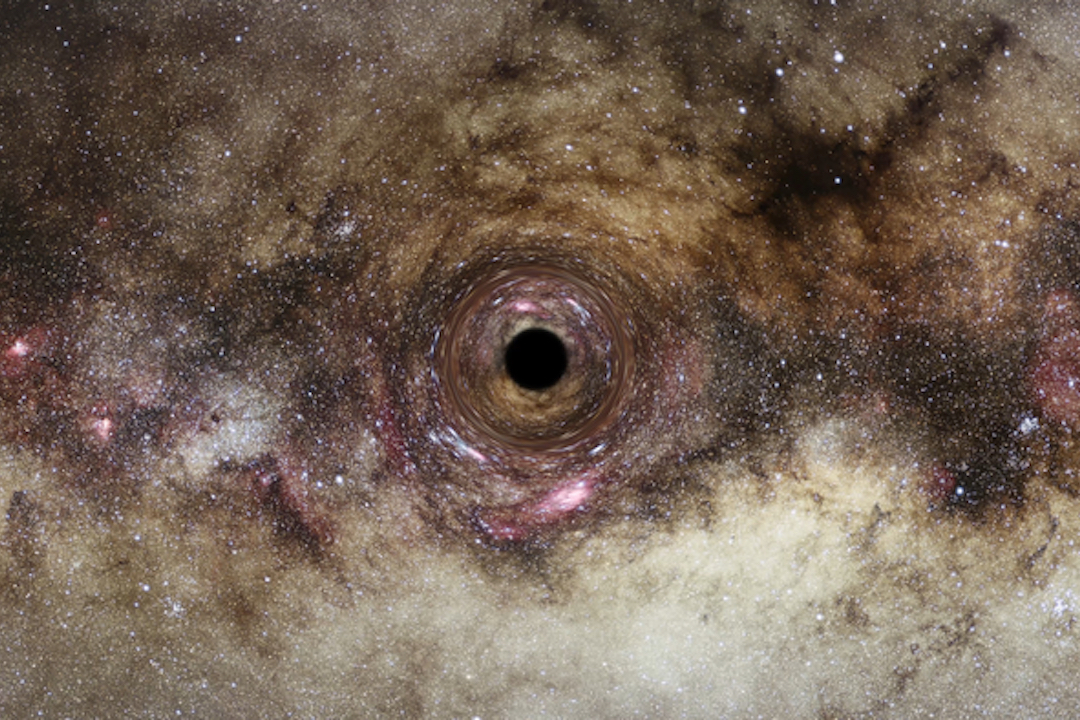
Turns out, supermassive black holes don’t just make great titles for songs. A team of astronomers recently discovered one of the largest ever black holes, measuring 30 billion times the mass of the Sun—seven thousand times bigger than the one situated at the center of the Milky Way.
Researchers at Durham University chanced upon this black hole—which has been classified as ‘ultramassive’ instead of just ‘supermassive’—by using a technique dubbed gravitational lensing. This is the first time the method has been successful at spotting a great void.
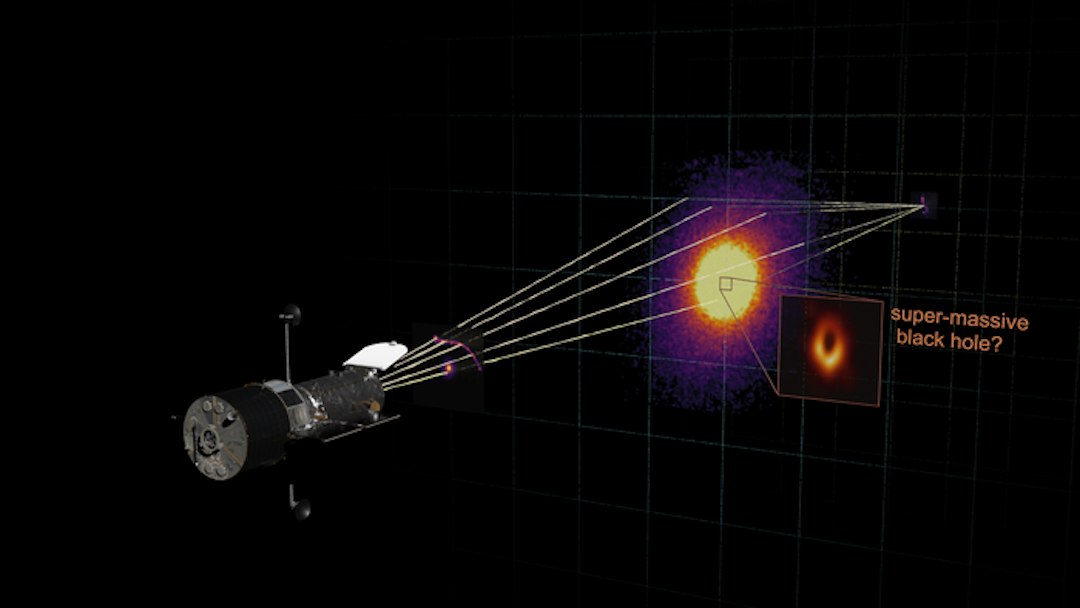
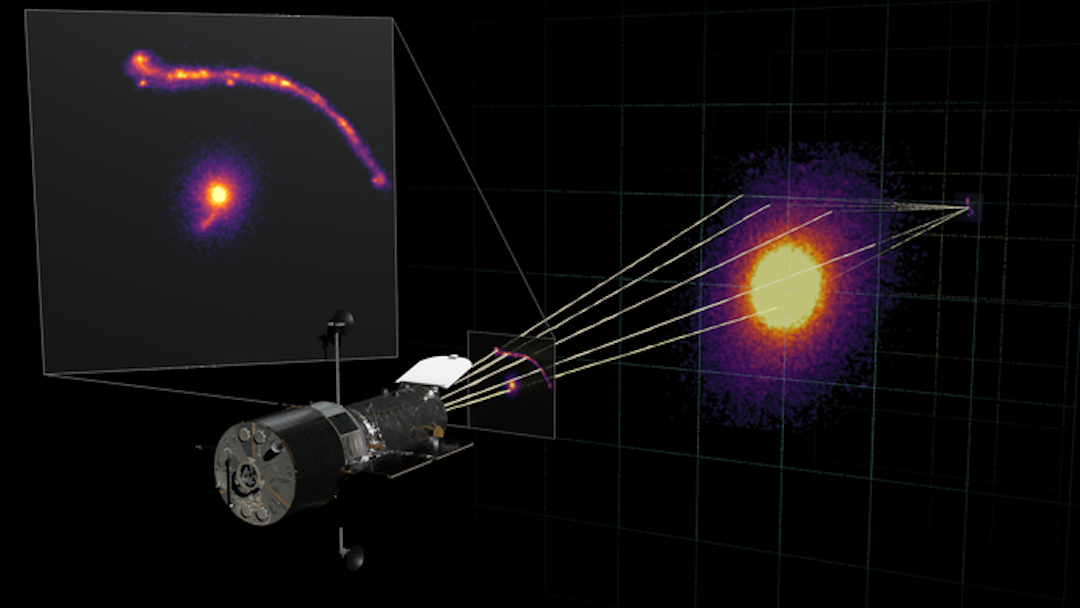
To put it simply, gravitational lensing, which is often used to find exoplanets, involves using an object far out in the universe as a telescope.
For example, as per Popular Mechanics, if astronomers are looking at a particular star that’s too far away, they position themselves so that another celestial body is in between them and the target, so light leaving the star bends out of shape and is magnified by the gravity of the object in the middle, allowing the light to be analyzed more clearly.
This technique not only allows scientists to get a better glimpse of the target body but also enables them to gather information about the object stuck in the middle, which is how the team first came across the galaxy with a black hole.
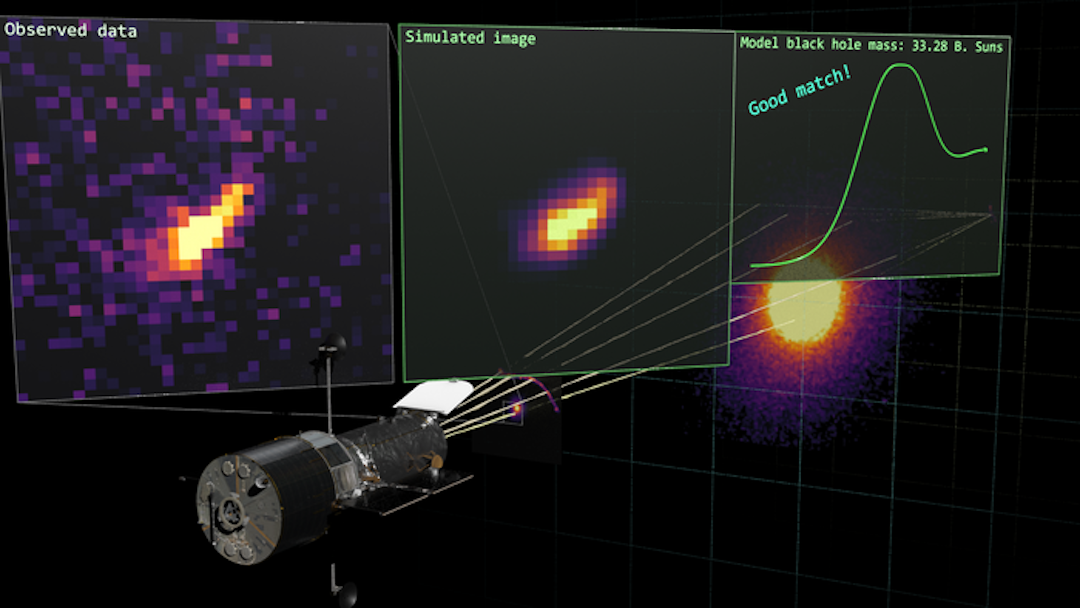
From there, the team managed to calculate how huge the black hole in the middle would have to be in order to give off the amount of gravity that was bending the light from the target behind it. The result? A 30-billion-solar-mass ultramassive black hole.
James Nightingale, the lead author of the study, explained that scientists believe this particular black hole belongs to the “upper limit” of how large experts believe black holes can theoretically be, making it an “extremely exciting discovery.”
In the future, experts hope gravitational lensing can make it possible to find and study more black holes, which is currently not possible for researchers to do in distant galaxies.
“This approach could let us detect many more black holes beyond our local universe and reveal how these exotic objects evolved further back in cosmic time,” concluded Nightingale.
[via Popular Mechanics and Gizmodo, images via various sources]


