
Google Launches New Tool To Protect Communities From Extreme Summer Heat
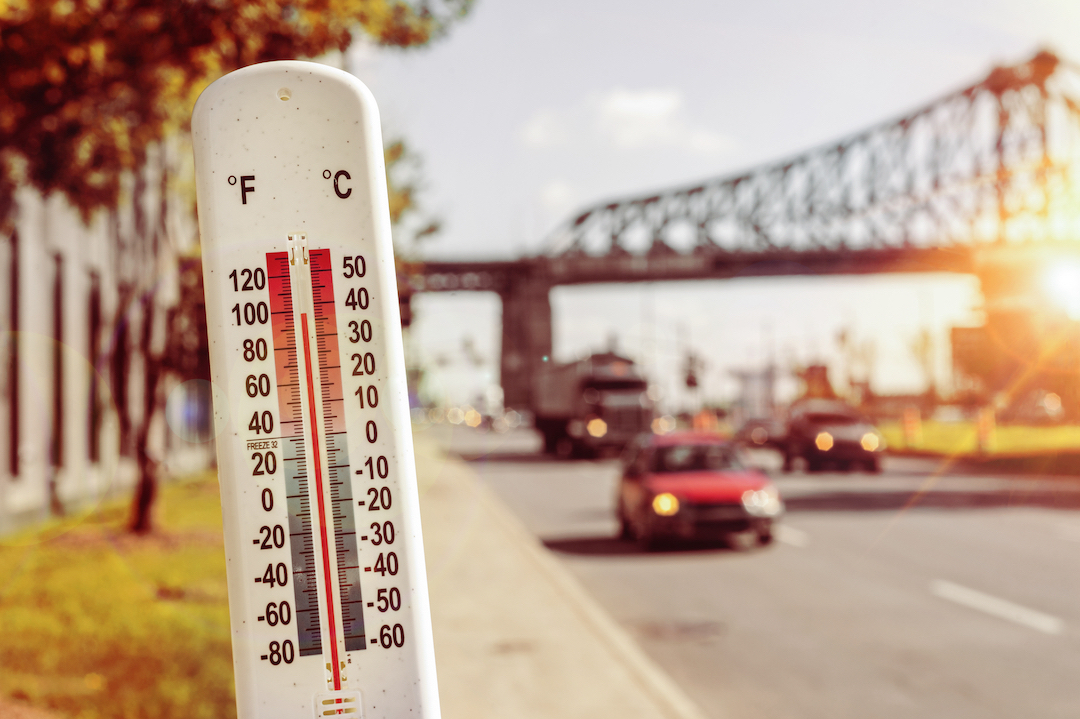
Last year, cities around the world appointed the first-ever ‘Chief Heat Officers’ to help tackle soaring temperatures, with the United Kingdom turning to aluminum foil to keep its suspension bridges from overheating and the US painting its roads in a cooling overlay.
Now, as we approach summertime, Google has announced new measures that will make it easier for affected communities to stay informed about upcoming heatwaves and how to stay safe as thermostats begin rising.
These ‘Extreme Heat’ warnings will be integrated into the usual Google Search results, so more users will come across these directions. According to the technology giant, extreme heat is the cause of nearly 500,000 deaths annually, a statistic that is only slated to get worse.
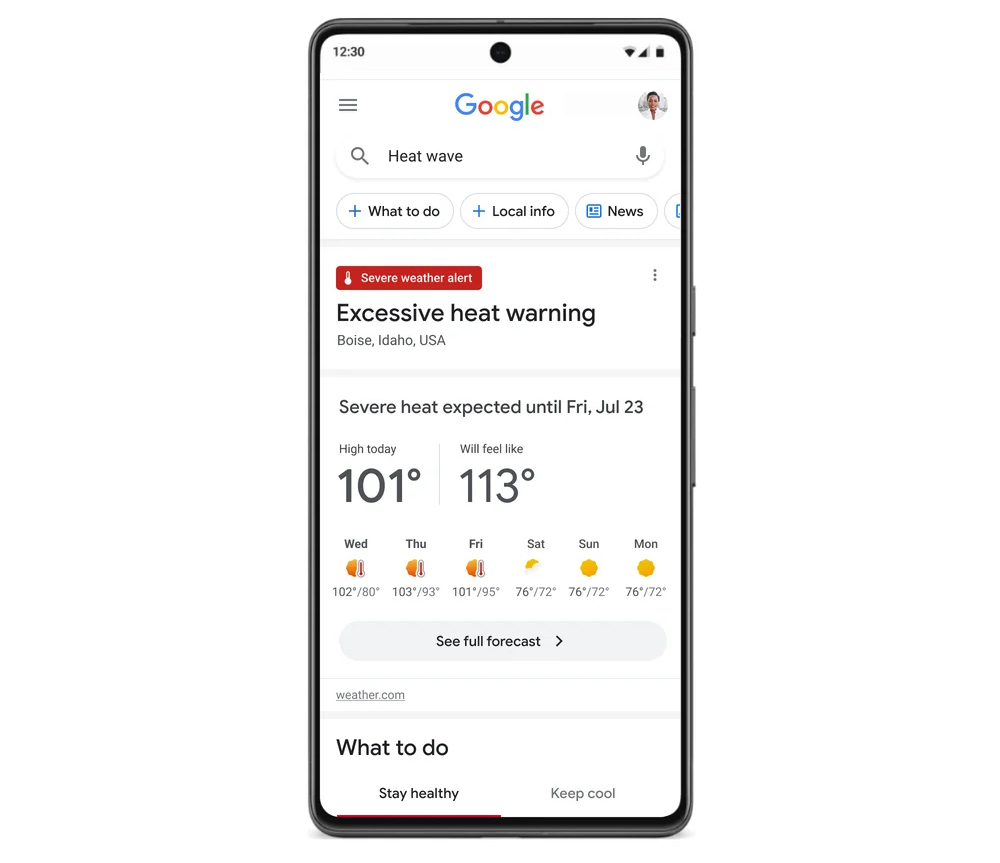
Naturally, communities suffering from heat waves are more likely to search for related keywords, which Google wants to take over and make the most important information as easily accessible as possible to keep people safe.
When searching “heat wave” or “summer heat,” details on when the next heat wave is predicted to begin and end will pop up, along with advice on how to stay cool, and symptoms everyone should be aware of that may signal a heat stroke or health concern.
The information will come from the Global Heat Health Information Network, though the site has yet to specify if users have to turn their location data on so they can receive real-time alerts based on where they live.
Additionally, the firm will be introducing the ‘Environmental Insights Explorer’, a new tool that will help authorities and organizations around the world learn more about climate-related risks and what can be done to improve the situation.
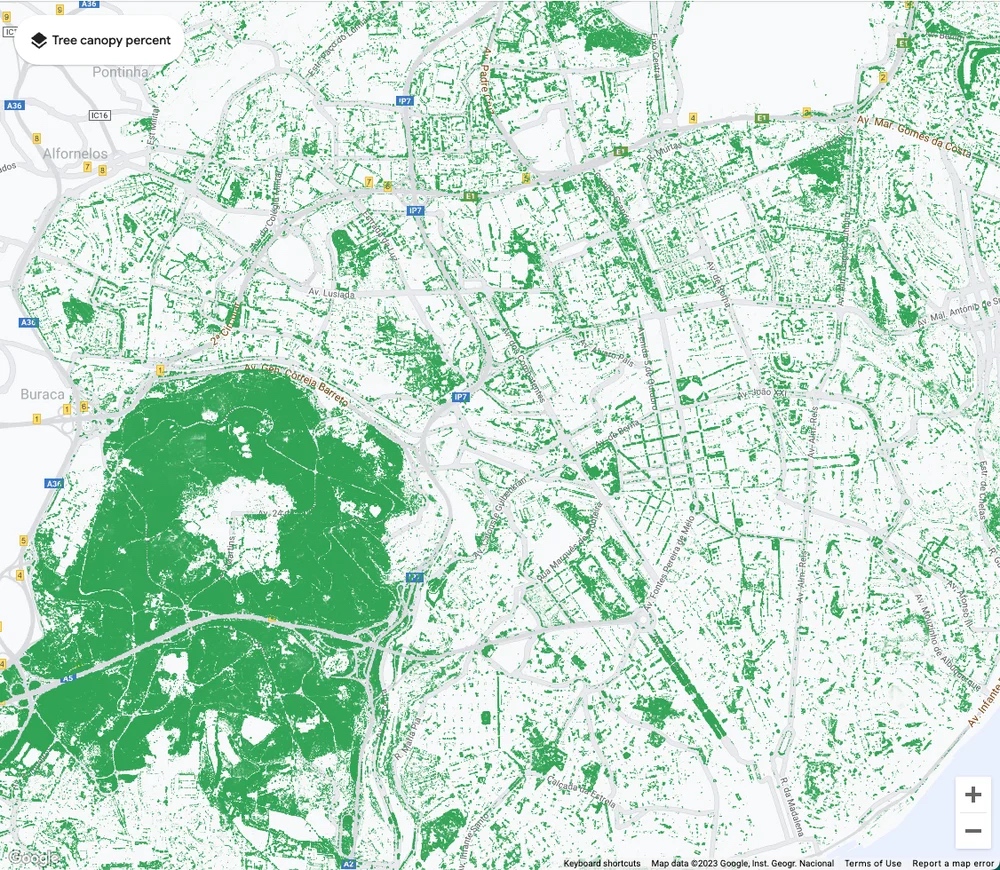
Google’s Tree Canopy View will tap on the company’s vast satellite data and artificial intelligence models to identify areas of tree cover—a natural way of reducing “heat islands” in dense cities—which can then be referred to city planners to identify which areas need more shade.
In fact, the city of Austin has successfully used the tool and its aerial imagery to prioritize tree planting in vulnerable areas and to determine where to place bus shelters in order to increase covered walkways. The feature will expand from 14 cities to nearly 350 cities worldwide.
“We’ll continue to find new ways our technology and tools can bring relevant and timely information about extreme weather to billions of people, and can help cities and organizations build infrastructure that mitigates the effects of a changing climate for everyone,” Google said.
[via Interesting Engineering and Google, images via various sources]


