
Cosmic Smartphone Looks To The Surface Of Jupiter For Its Design

Chinese smartphone brand OnePlus is placing a piece of Jupiter into the hands of its customers with its brand-new OnePlus 11 Jupiter Rock Edition.
The back of the phone, for one, is outfitted with 3D microcrystalline rock in the same sandy shade as its surface. While Jupiter is a gas planet, its atmosphere is known for its unique cloud patterns, swirling storms, and rich colors. However, the material used in the device is based on Earth-based microlite, where the name Jupiter Rock was born.
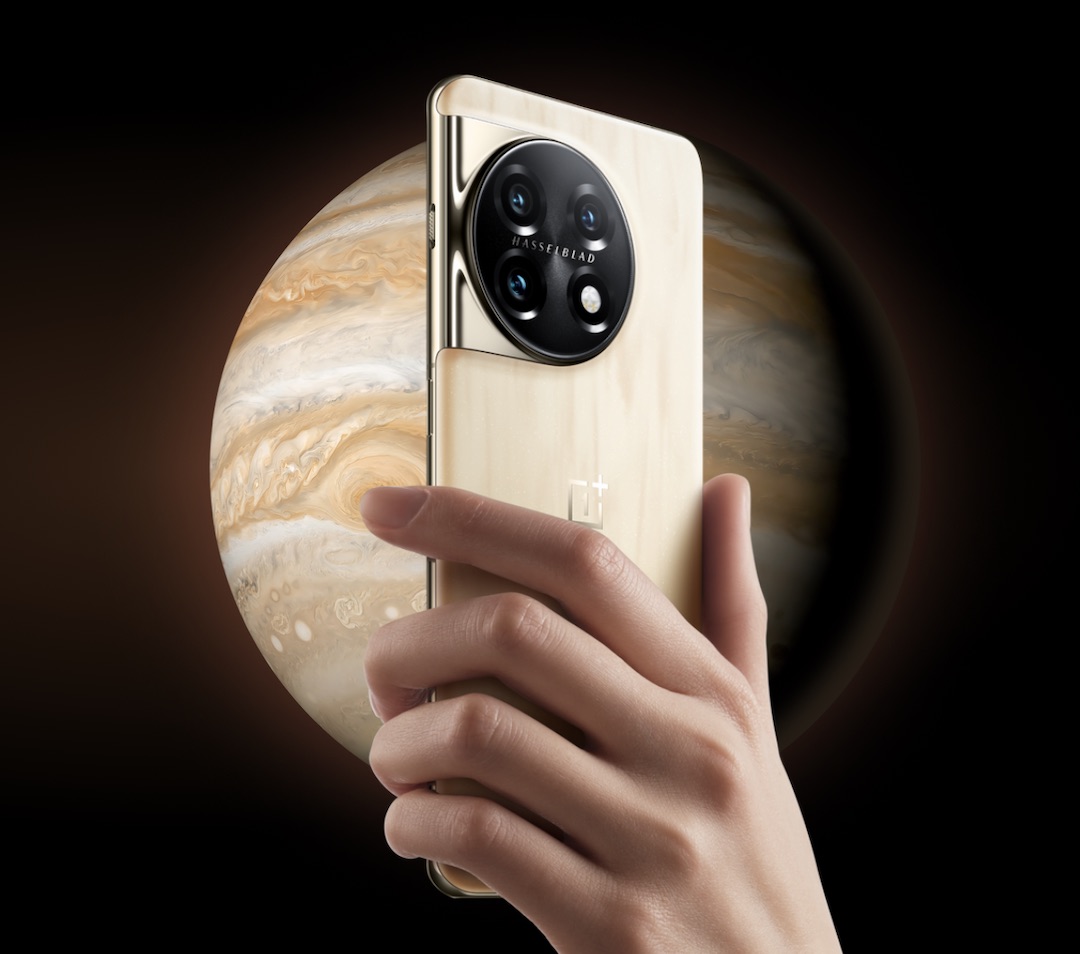
The use of this rock on the phone rear gives it a unique texture and appearance similar to Jupiter’s surface’s rugged terrain. In addition, each handset is designed with a slightly different pattern, giving each device a unique and distinctive look.
That being said, its internal specs will remain the same through all iterations. It has a 6.7-inch display and a QHD+ resolution of 3216 x 1440 pixels. Internally, it houses a Qualcomm Snapdragon 8 Gen 2 mobile processor with 512 GB of storage and 16 GB of RAM.
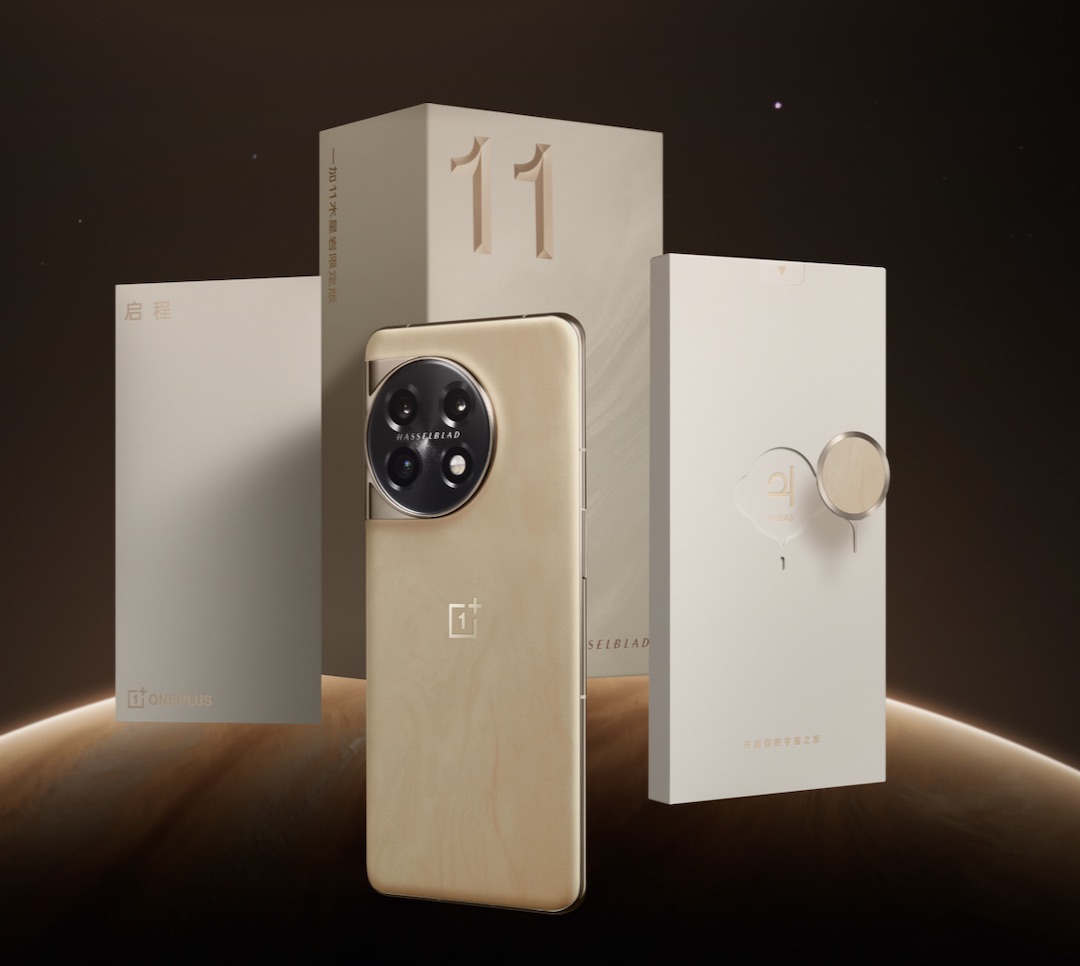
Also on its galactic-inspired back is three cameras: a 50-megapixel primary one and a wide-angle lens, a 32-megapixel telephoto version, and a 48-megapixel ultrawide type.
The device is launching in China for US$710, and there has yet to be word on its release in other markets.
[via Geeky Gadgets and GSM Arena, images via OnePlus]


